
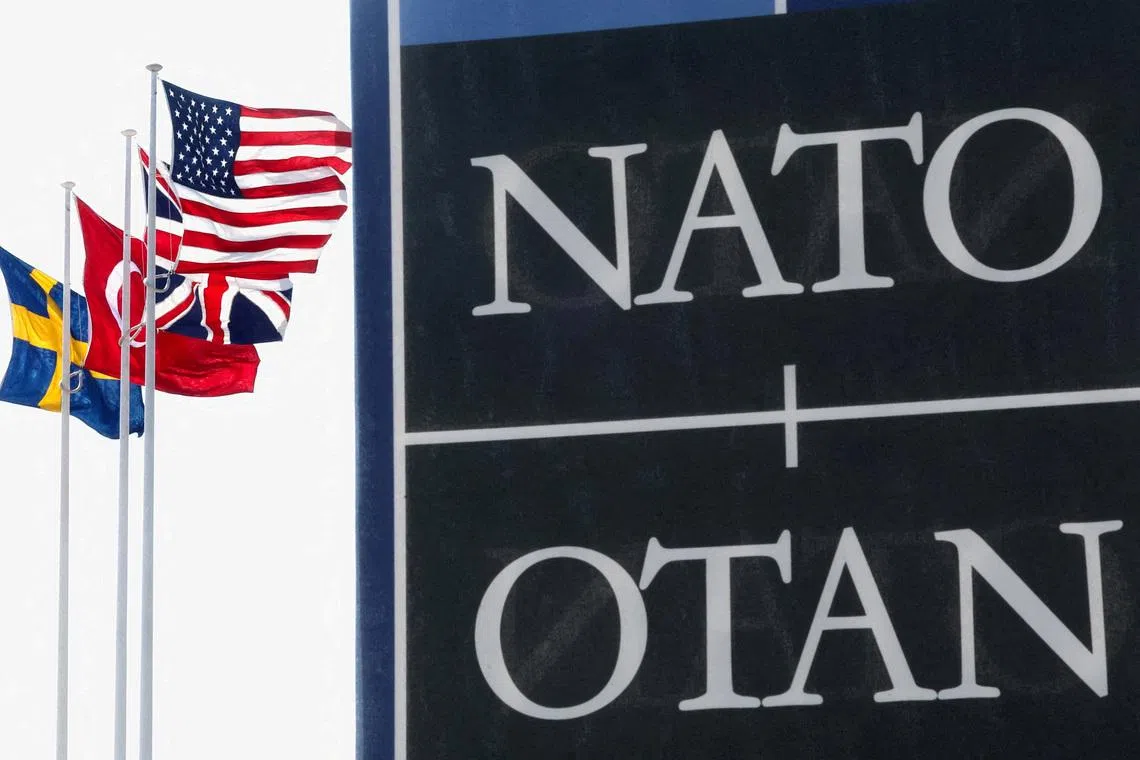
The North Atlantic Treaty Organization (NATO) faces a complex array of strategic, industrial, and geopolitical challenges as the alliance balances collective defense obligations with the evolving security requirements of its 32 member states. Key issues currently topping the agenda include the necessity for increased burden-sharing among European allies, the urgent expansion of defense industrial capacity, and the long-term sustainability of military support for Ukraine. These priorities are central to ongoing deliberations as member nations recalibrate their defense postures in response to the shifting security environment in Europe.
According to the official NATO security policy, the alliance operates on the principle of collective defense, where an attack against one member is considered an attack against all. However, maintaining this commitment requires consistent investment and political cohesion, both of which are currently under intense scrutiny. The alliance is navigating these pressures while managing the integration of new members and addressing the logistical realities of modern conventional warfare.
The Push for Increased European Defense Spending
One of the most persistent challenges for the alliance is the unequal distribution of defense expenditure. For years, NATO has maintained a guideline that member states should aim to spend at least 2% of their Gross Domestic Product (GDP) on defense. As reported by NATO’s 2024 defense expenditure data, 23 of the 32 member states are now meeting or exceeding this 2% target, a significant increase from previous years. This shift reflects a growing consensus among European leaders that the continent must take greater responsibility for its own security architecture.
The transition toward higher spending is not merely a budgetary exercise but a reflection of changing threat perceptions. European nations are under pressure to modernize aging military fleets, enhance cyber-defense capabilities, and ensure their forces are interoperable. The reliance on non-European defense assets has become a point of contention, leading to calls for a more robust “European pillar” within the alliance. This does not imply a replacement of NATO structures, but rather a more balanced partnership where European members provide a larger share of the conventional military capabilities required to deter aggression on the continent.
Boosting Defense Industrial Production
Modern conventional warfare, particularly as observed in the conflict in Ukraine, has highlighted the critical importance of ammunition and hardware supply chains. The challenge facing NATO is the shift from a “just-in-time” manufacturing model to one that can sustain high-intensity, prolonged conflict. According to the NATO Washington Summit Declaration, allies have committed to a new Defense Industrial Pledge designed to ramp up the production of munitions and military equipment.
This industrial challenge involves several distinct hurdles:
- Supply Chain Resilience: Ensuring the availability of raw materials and components that are often sourced globally, making them susceptible to geopolitical disruptions.
- Standardization: Encouraging member states to adopt common technical standards so that equipment and ammunition are interchangeable across different national forces.
- Long-term Procurement: Moving away from short-term contracts to multi-year procurement cycles that provide the certainty defense contractors need to invest in expanding their factory footprints.
The alliance is currently working to align national procurement strategies with these collective needs. By pooling demand and coordinating investment, NATO aims to reduce costs and increase the speed at which equipment can be delivered to front-line states.
Strategic Cohesion and Future Security
Beyond hardware and budgets, NATO must maintain political unity. The alliance includes countries with diverse historical experiences, economic priorities, and geographic concerns. Reaching a consensus on how to manage relations with partners in the Indo-Pacific while simultaneously focusing on the “360-degree approach” to security—covering threats from the east, south, and across the Atlantic—remains a delicate diplomatic task.
The NATO 2022 Strategic Concept outlines these priorities, emphasizing that the alliance must remain a nuclear, conventional, and cyber-capable defensive organization. As the security environment evolves, the challenge lies in adapting these capabilities to new domains, such as artificial intelligence and space-based reconnaissance, without losing sight of the core mandate of territorial defense.
The next major milestone for the alliance will be the upcoming ministerial meetings and the ongoing implementation of the decisions made at the 2024 Washington Summit. Official updates regarding these initiatives are published regularly on the NATO Newsroom. As these challenges persist, the alliance continues to hold high-level consultations to ensure that its defensive posture remains credible and unified.
What are your thoughts on the future of European security cooperation? Share your views and join the conversation in the comments section below.