
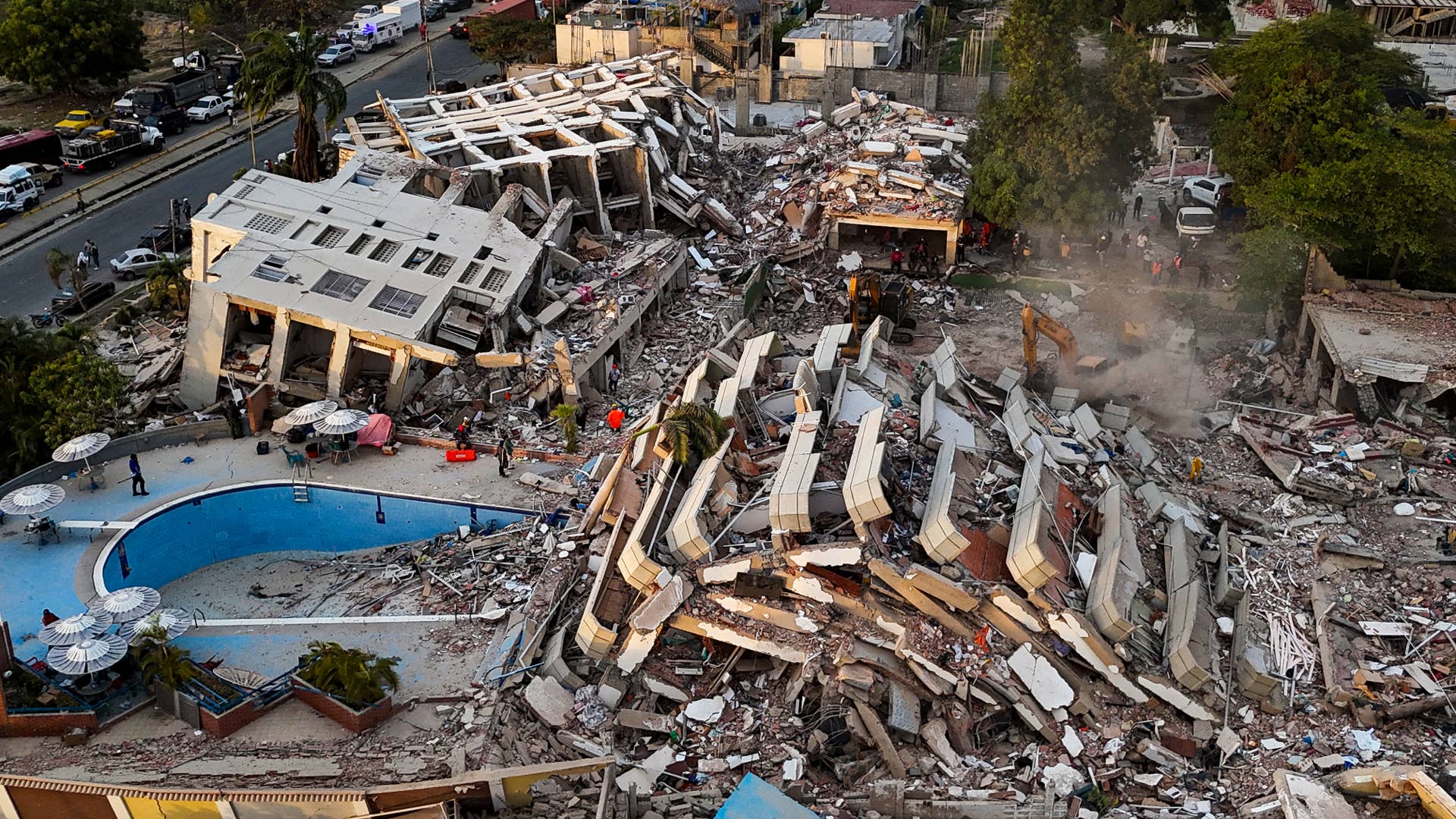
The coastal region of La Guaira, a vital hub for Venezuela’s surfing community, is currently grappling with the devastating aftermath of twin earthquakes that struck the country’s northern coast. According to reports, the tremors, measuring 7.2 and 7.5 in magnitude, occurred in rapid succession, resulting in a significant humanitarian crisis. Official data indicates that more than 2,200 people have died, over 11,000 have sustained injuries, and nearly 50,000 individuals remain unaccounted for as rescue operations continue in the affected zones.
As a sports journalist who has spent over a decade documenting the intersection of athletic culture and regional identity, I recognize that for the local surfing community, these beaches represent far more than a sporting venue. La Guaira has long served as a primary gateway for Caribbean surf trips and a training ground for the nation’s most talented wave riders. The disaster has fundamentally altered the landscape of these coastal neighborhoods, forcing a transition from vibrant surf hubs to critical recovery zones overnight.
MIGUEL MEDINA / Getty Images
Emergency Response and Search Operations
The immediate emergency phase has given way to a complex, long-term recovery process involving both domestic and international humanitarian organizations. Among the first responders on the ground is Bomberos Unidos Sin Fronteras (BUSF), a Spain-based search-and-rescue team. Working in coordination with Venezuelan firefighters and Civil Defense officials, the BUSF team has deployed specialists, including emergency physicians and canine search units, to navigate the structural damage across La Guaira.

Support has expanded to include multidisciplinary medical teams funded by Direct Relief, with personnel arriving from Mexico and Colombia. These teams, which include trauma nurses, physical therapists, and psychologists, are operating mobile medical clinics to address the needs of residents in areas where local hospital infrastructure has been compromised or rendered inaccessible.
Addressing Critical Infrastructure and Health Risks
The aftermath of the seismic activity has introduced severe secondary health risks, primarily centered on the loss of reliable access to clean drinking water and sanitation. Public health experts warn that the destruction of local water systems and the displacement of thousands of residents heighten the threat of waterborne diseases and dehydration. To mitigate these risks, organizations are prioritizing the distribution of water purification equipment, IV fluids, and oral rehydration salts.

Direct Relief has confirmed the shipment of emergency medical supplies, including antibiotics and pain-management medications, from its Santa Barbara headquarters to Panama for regional transit into Venezuela. Simultaneously, the organization Waves For Water is leveraging its established network to facilitate clean water access in regions where infrastructure has been fractured. The organization noted that their focus remains on supporting communities where displacement has made the provision of safe water a life-critical necessity.
Maintaining Continuity of Healthcare
Beyond the immediate trauma of the earthquake, the disaster has strained a healthcare system already facing years of economic challenges and resource shortages. For patients managing chronic conditions such as diabetes, hypertension, and asthma, the disruption of routine care presents a life-threatening scenario. To prevent a secondary health crisis, Direct Relief is coordinating with local partners, including Acción Solidaria and Fundación Wayuu Taya, to ensure the delivery of essential medications and mental health supplies.
Andrés Gerlotti / Getty Images
The Path to Emotional and Community Recovery
The long-term impact of the disaster extends to the mental health of the survivors, first responders, and volunteers. Mental health professionals have highlighted the expected increase in trauma-related stress, anxiety, and grief following such a large-scale event. For the surfing families of La Guaira, the loss of homes and the destruction of the coastal environment represent a profound disruption to their way of life, which is deeply connected to the ocean.

While the physical recovery of the coastline will be a lengthy process, the focus remains on ensuring that the individuals who anchor Venezuela’s surf culture receive the necessary support to rebuild. The resilience of these communities remains the primary driver of the ongoing recovery efforts, as stakeholders look toward a time when families can return to the coastline and the local surf culture can begin to reorganize.
Official updates regarding the rescue operations and humanitarian aid distribution are expected to be released by local government agencies and international aid partners as the situation evolves. Readers are encouraged to stay informed through verified channels for updates on relief efforts and community needs.