The Central African Republic (CAR) currently faces the most significant debt-to-GDP ratio challenges within the Economic and Monetary Community of Central Africa (CEMAC), while Gabon maintains the highest absolute levels of external debt in the region. According to recent economic monitoring reports from the International Monetary Fund (IMF), fiscal vulnerabilities across the six-member bloc remain a primary concern for regional stability, with external debt sustainability varying significantly between member states.
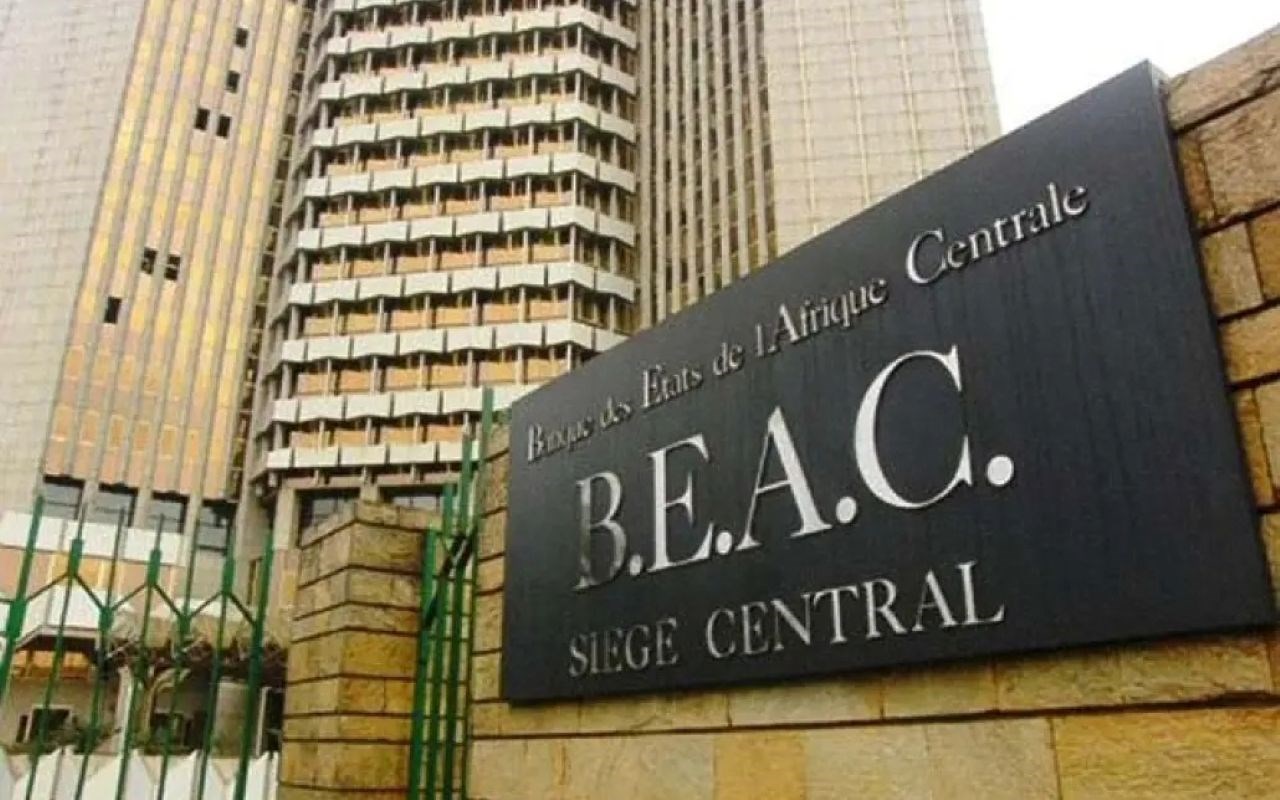
For investors and policymakers monitoring the CEMAC zone, understanding these disparities is essential. While the CAR struggles with high debt-to-GDP levels exacerbated by ongoing security and development constraints, Gabon’s fiscal landscape is defined by its role as a major oil producer and its corresponding reliance on external financing to manage sovereign obligations. These figures are not static; they shift in response to global commodity prices, regional security, and the ongoing implementation of the Bank of Central African States (BEAC) monetary policy.
Fiscal Vulnerabilities and Debt Sustainability in CEMAC
The economic health of the CEMAC region—comprising Cameroon, the Central African Republic, Chad, the Republic of the Congo, Equatorial Guinea, and Gabon—is heavily influenced by the fiscal management of individual states. The IMF has noted that while some countries have made progress in consolidating their public finances, the region remains susceptible to external shocks. As of the latest World Bank Africa Pulse reports, the volatility of oil prices continues to dictate the budgetary capacity of the bloc’s primary exporters, including Gabon and Congo.
The Central African Republic’s debt profile remains particularly sensitive to its limited domestic revenue mobilization and high dependence on foreign aid. Conversely, Gabon’s debt management strategy is closely linked to its oil output. While Gabon’s external debt levels in absolute terms are among the highest in the region, the country’s ability to service this debt is periodically bolstered by fluctuations in crude oil prices, which remain the engine of the Gabonese economy.
Comparative Debt Metrics Across the Region
Disparities in debt-to-GDP ratios reveal the divergent economic paths of CEMAC members. Cameroon, as the largest economy in the bloc, manages a more diversified debt portfolio, while Equatorial Guinea has historically maintained lower debt levels due to its smaller population and concentrated hydrocarbon wealth. However, as noted in the African Development Bank’s 2024 Economic Outlook, the entire region is currently facing the dual pressure of rising global interest rates and the need for significant infrastructure investment.

The following table illustrates the general fiscal positioning of these nations based on recent multilateral assessments:
| Country | Primary Economic Driver | Debt Vulnerability Status |
|---|---|---|
| Central African Republic | Agriculture, Mining | High (High debt-to-GDP ratio) |
| Gabon | Oil, Timber | Moderate (High absolute external debt) |
| Cameroon | Diversified/Agriculture | Moderate (High fiscal pressure) |
What Happens Next for Regional Economic Policy
Regional authorities are focusing on the “Programme des Réformes Économiques et Financières de la CEMAC” (PREF-CEMAC) to harmonize fiscal policies and reduce the reliance on external borrowing. The Bank of Central African States continues to implement restrictive monetary measures to contain inflation and stabilize the CFA franc, which is pegged to the Euro. These policies are designed to ensure that member states maintain debt sustainability frameworks that align with the community’s convergence criteria.

Looking ahead, the next cycle of Article IV consultations between the IMF and CEMAC member states will provide updated data on debt trajectories for 2025 and beyond. Investors should monitor the upcoming BEAC Monetary Policy Committee meetings for signals regarding interest rate adjustments that could impact the cost of servicing sovereign debt across the region. As fiscal transparency improves, the ability of these nations to access international capital markets will likely depend on their adherence to the structural reforms currently supported by regional and international financial institutions.
We invite our readers to share their insights on regional economic integration in the comments section below. For the latest updates on CEMAC financial performance, stay tuned to our business desk as we track upcoming fiscal reports and policy releases.