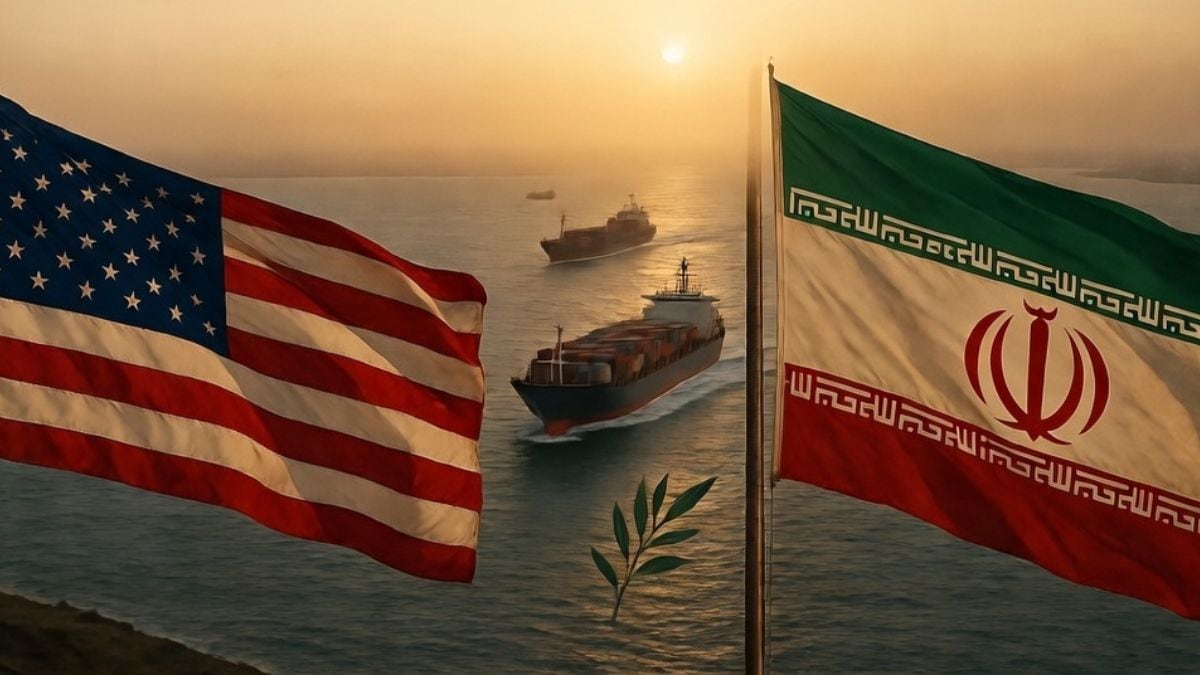
Diplomatic efforts to secure a long-term peace deal between the United States and Iran face mounting pressure as military activity increases near the Strait of Hormuz. While Iranian officials have signaled that a potential agreement to de-escalate regional tensions is closer than ever, recent drone activity and conflicting accounts from Washington have introduced significant uncertainty into the negotiation process. The stability of one of the world’s most critical maritime oil transit corridors remains at the center of the dispute.
The Strait of Hormuz, a narrow waterway connecting the Persian Gulf to the Gulf of Oman, serves as a vital artery for global energy supplies. Approximately 20% of the world’s total petroleum consumption passes through this chokepoint daily, according to data from the U.S. Energy Information Administration. Any disruption in this area carries immediate implications for global energy markets and maritime security.
Status of Diplomatic Negotiations
Iranian leadership has publicly suggested that a breakthrough in diplomatic talks is imminent. In recent statements, Iranian foreign ministry representatives indicated that the framework for a deal has reached an advanced stage, potentially leading to the reopening of maritime routes and a reduction in military posturing. This perspective suggests that both parties are nearing a mutual understanding regarding the lifting of certain economic restrictions in exchange for verifiable limits on regional activities.
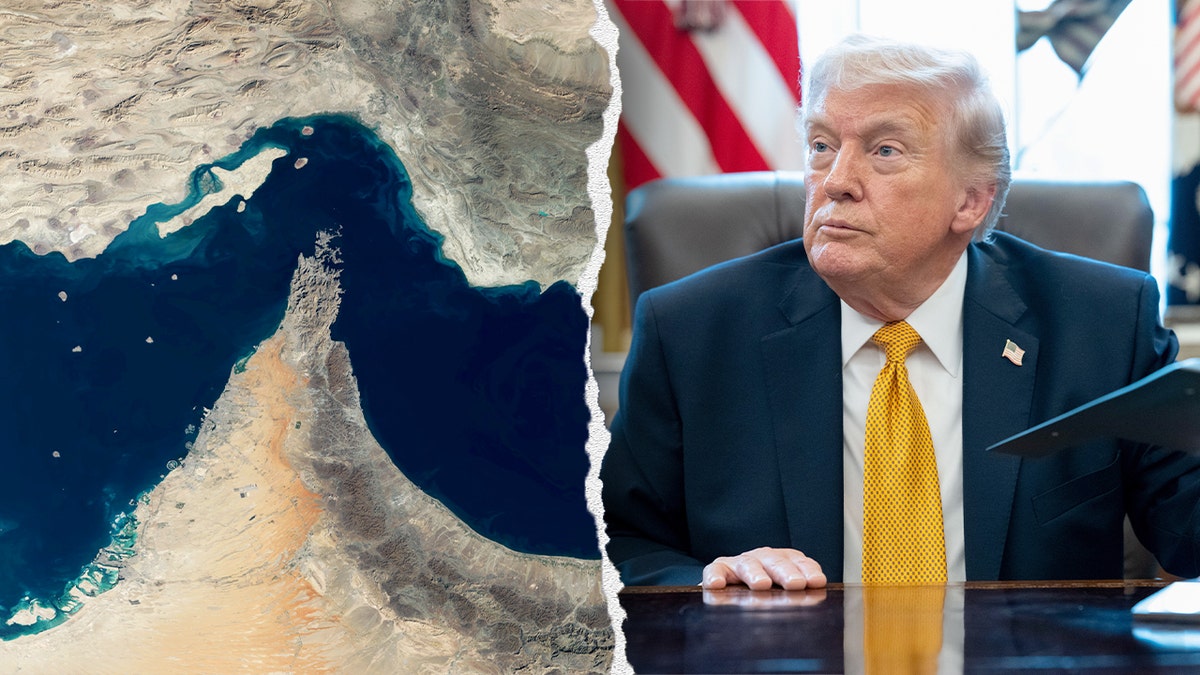
However, the narrative from Washington diverges significantly from Tehran’s assessment. Former President Donald Trump has publicly rejected claims regarding the terms of a proposed agreement, characterizing the reports as inaccurate. In comments addressing the current climate, he described those behind recent provocations as “dishonorable people,” signaling a deep skepticism toward the current diplomatic overtures and the reliability of the reported deal structure.
Military Friction Near the Strait
The diplomatic push coincides with a rise in localized military incidents. Reports of drone activity near the Strait of Hormuz have heightened regional anxieties, complicating the path toward a formal ceasefire. These incidents serve as a physical manifestation of the underlying geopolitical mistrust that continues to impede official negotiations.
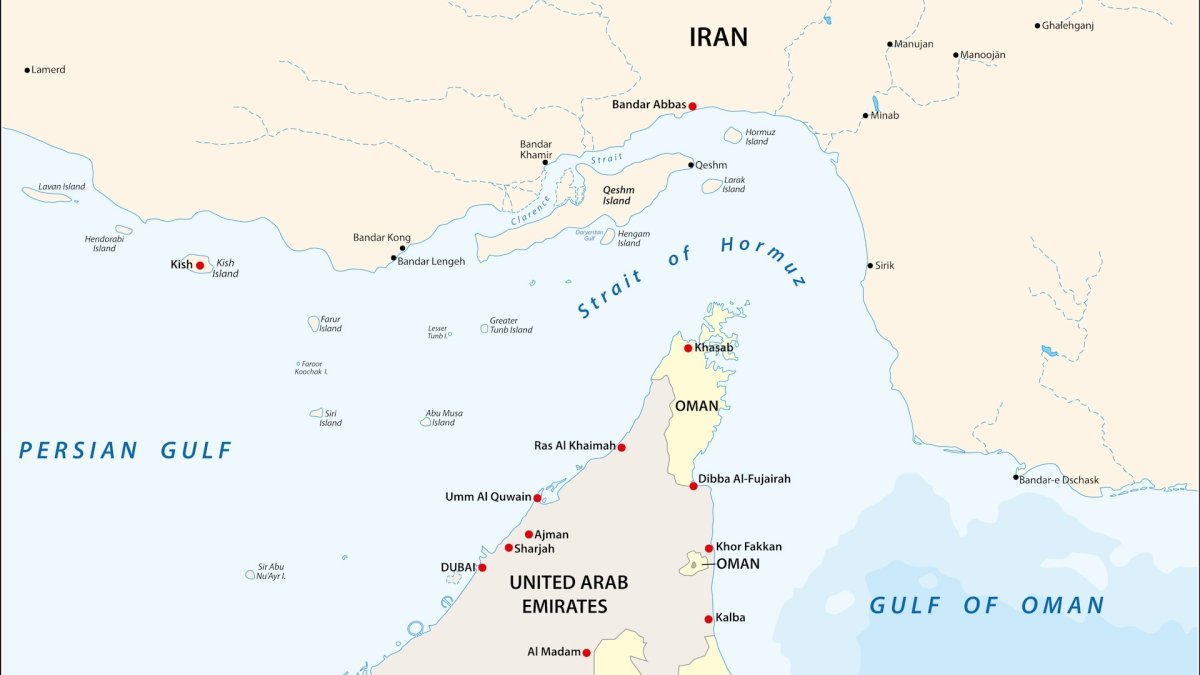
The operational reality in the Persian Gulf remains volatile. Military analysts observe that the presence of naval assets from multiple nations in the region creates a high risk of miscalculation. The U.S. Central Command maintains a continuous presence in the region to ensure freedom of navigation, often citing the need to deter aggressive maneuvers that could threaten commercial shipping lanes.
Comparing Perspectives on Regional Stability
The disparity between the Iranian claims of progress and the American denials highlights the challenge of verifying the status of these high-stakes discussions. While Tehran focuses on the potential for economic relief and regional normalization, Washington’s current messaging emphasizes the necessity of security guarantees and the cessation of drone-related provocations.
These conflicting reports create a complex environment for international observers. For stakeholders monitoring the energy sector, the primary indicator of success will be the sustained, unhindered movement of tankers through the Strait of Hormuz. Official updates from the U.S. Department of State regarding regional security policy remain the standard for tracking changes in the U.S. position, as the administration continues to manage the balance between diplomatic engagement and military deterrence.
Looking Ahead
The next major checkpoint for these developments will likely depend on upcoming high-level diplomatic briefings and any potential changes in maritime security postures in the Persian Gulf. Observers are monitoring whether a formal document or a verifiable “gentleman’s agreement” will be presented to the international community in the coming weeks.

As the situation remains fluid, market participants and policy analysts are advised to rely on official press releases from the respective foreign ministries and international maritime authorities. We welcome your thoughts on these developments in the comments section below. For ongoing coverage of international affairs and geopolitical shifts, please share this report with your network.
Keep reading
- Bomb Attack on Iranian Family’s Home in Groningen Leaves Neighborhood in Shock
- OL Target Toulouse Midfielder Cristian Cásseres for Transfer Market Boost
- Trump Claims Total US Control of Strait of Hormuz as Iran Rejects Assertions (archyworldys.com)
- Israeli Military Demolishes West Bank Outposts Amid Rising Tensions (world-today-news.com)