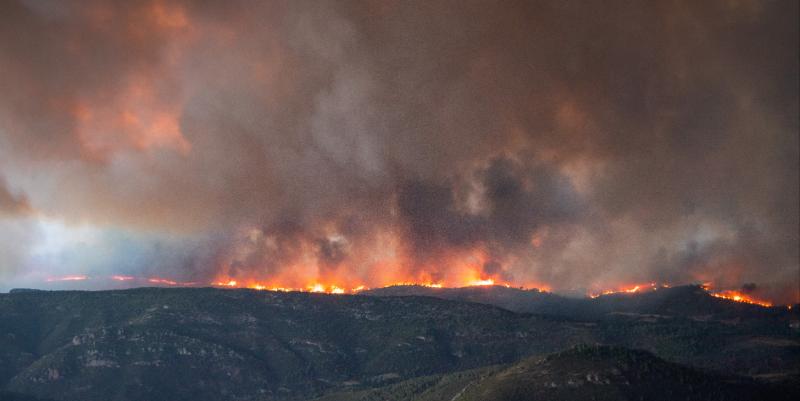
One year after the devastating wildfires that swept through the Aude department in southern France, questions regarding the nation’s preparedness for “des feux extrêmes” (extreme fires) remain at the forefront of the public discourse. The 2024 wildfire season in the Mediterranean region highlighted the increasing intensity of climate-driven infernos, prompting a reassessment of how French emergency services manage prolonged, high-intensity firefighting operations.
The 2024 summer season saw record-breaking temperatures across southern Europe, exacerbating drought conditions that turned forests into tinderboxes. According to the European Forest Fire Information System (EFFIS), the 2024 season was characterized by a significant increase in the frequency of “mega-fires” that exceed the capacity of traditional ground-based suppression tactics. These events, which often burn for over a week, require unprecedented coordination between regional firefighters, aerial support, and civil security units.
Reflecting on the Aude Crisis
The Aude region, known for its rugged terrain and dense vegetation, became a focal point for these challenges during the summer of 2024. The crisis involved an intense, eight-day battle against flames that threatened both rural communities and local ecosystems. The scale of these fires forced authorities to implement new strategies for monitoring fire progression and managing the safety of personnel on the ground.

For many observers, the primary concern is no longer just the immediate suppression of a blaze, but the ability of the Fédération nationale des sapeurs-pompiers de France to sustain operations over extended periods. The exhaustion of volunteer and professional crews remains a critical factor in disaster management policy, as climate models suggest that “extreme” fire weather will become the new baseline rather than the exception.
Are We Ready?
In response to the lessons learned from the 2024 fire season, the French government has accelerated investments in wildfire prevention and detection technology. The focus has shifted toward “preventive silviculture”—managing forest density to create natural firebreaks—and the deployment of advanced satellite imagery to detect heat signatures before they evolve into uncontrollable infernos. According to the Ministry of Ecological Transition, funding for forest protection has been bolstered to ensure that local SDIS (Service Départemental d’Incendie et de Secours) units are better equipped with specialized vehicles capable of navigating steep, arid landscapes.

However, equipment is only one component of the strategy. The human element, specifically the training of firefighters to handle high-velocity, erratic fire behavior, is now a pillar of national training programs. Experts emphasize that the speed at which modern fires spread—often driven by sudden wind shifts—requires a more agile decision-making process at the command level.
The Human and Economic Cost
The impact of these fires extends beyond the immediate destruction of hectares. The Aude fires caused significant economic disruption to the local viticulture and tourism sectors, which are the lifeblood of the region. Local authorities continue to work on long-term reforestation efforts to restore the landscape, though the recovery process is expected to span several years.
:max_bytes(150000):strip_icc():focal(1102x657:1104x659)/wildfire-france2-8625-d46e2f30fde44ea592224914f4f04731.jpg "The Human and Economic Cost")
As we move into the 2026 fire season, the focus remains on community resilience. Homeowners in high-risk areas are being encouraged to follow the Obligations Légales de Débroussaillement (OLD), which mandate the clearing of vegetation around properties to reduce the risk of fire spread. Public awareness campaigns have become a staple of local government efforts to ensure that citizens are not only aware of the risks but are active participants in regional fire prevention strategies.

The evolution of fire management in France is an ongoing process. As meteorological conditions continue to shift, the integration of real-time data, inter-agency cooperation, and proactive land management will determine the success of future firefighting efforts. The events of one year ago serve as a stark reminder of the environmental realities facing the Mediterranean basin, and the necessity of adapting to a warming world.
As the 2026 summer season begins, readers are encouraged to monitor local prefectural updates for fire risk alerts and safety advisories in their specific departments. For further information on wildfire prevention guidelines, please visit the official French government portal. We invite our readers to share their thoughts or experiences regarding regional environmental safety in the comments section below.