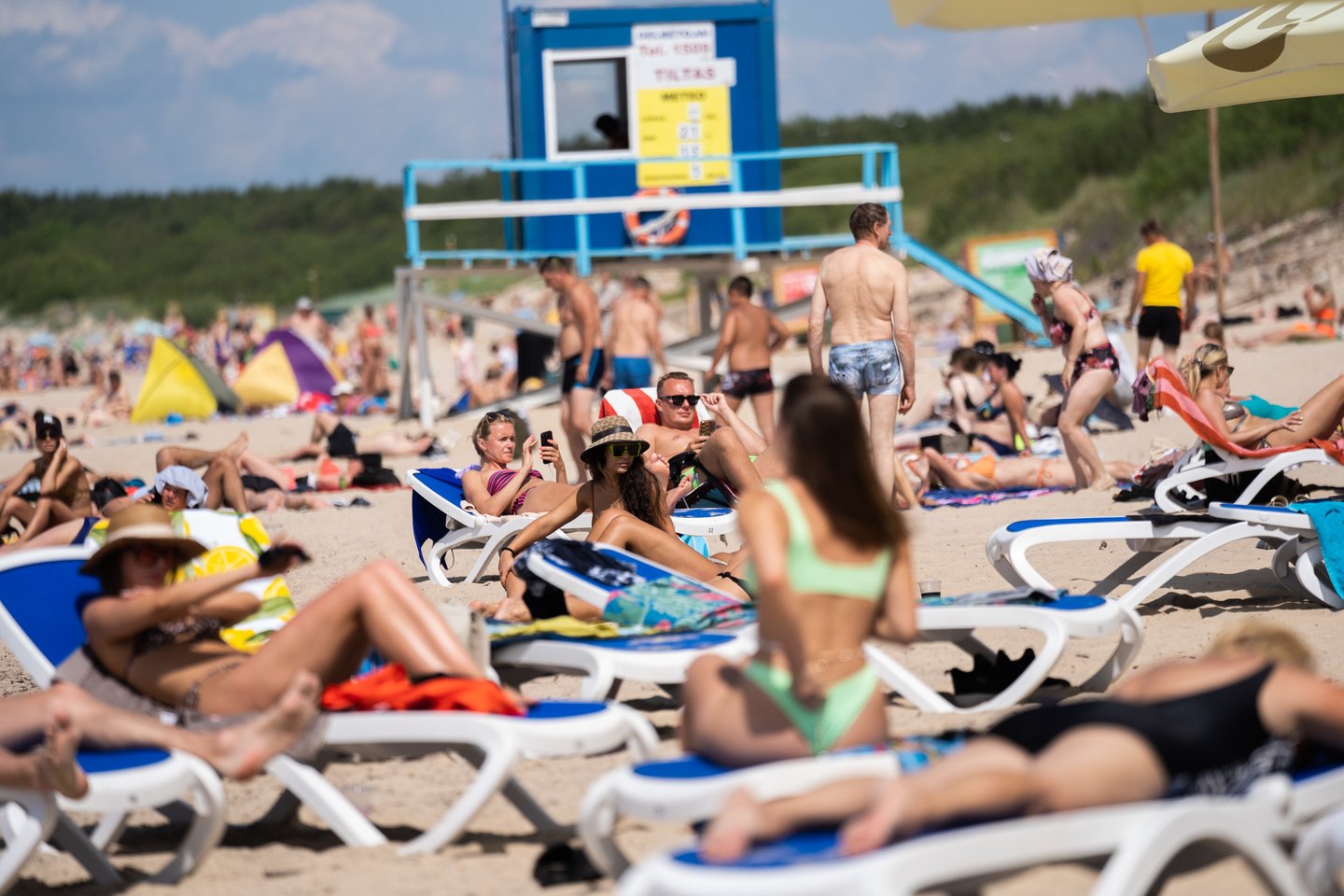
Lithuania is preparing for an intense period of extreme heat, with temperatures forecasted to climb as high as 36 degrees Celsius. The Lithuanian Hydrometeorological Service has signaled significant temperature spikes, leading to the issuance of yellow-level weather warnings across large portions of the country. These alerts come as a high-pressure system settles over the Baltic region, driving temperatures well above seasonal norms.
Meteorological forecasts indicate that the heatwave will bring several days of sustained high temperatures. According to reports from local news outlets including Lrytas and Delfi, the upcoming weather pattern will see thermometers reaching the 30-degree mark in various regions, with peak temperatures hitting 36 degrees Celsius in specific areas. The intensity of the heat is expected to be compounded by humidity, creating conditions described by local observers as feeling similar to a sauna.
How hot will Lithuania get this week?
The current forecast suggests a rapid increase in temperature across the Lithuanian landscape. While much of the country typically experiences moderate summer temperatures, the incoming weather system is expected to push values into the mid-30s. Meteorologists suggest that the heat will not be limited to a single afternoon but will persist through several days of heavy sunshine.

Specific regional variations are expected, but the general trend points toward widespread heat. While some areas may see temperatures hovering around 30 degrees Celsius, the most extreme readings are projected to reach 36 degrees Celsius. This surge in temperature is attributed to a stable high-pressure system that is trapping warm air over the Baltic states, preventing the cooling effects typically provided by maritime breezes.
To provide context on the severity of this heatwave, the following table compares the forecasted peak temperatures against typical July averages for the region:
| Temperature Metric | Forecasted High (Peak) | Typical July Average |
|---|---|---|
| Maximum Temperature | 36°C | 22°C – 25°C |
| Weather Condition | Extreme Heat / High Humidity | Partly Cloudy / Moderate |
| Warning Level | Yellow Alert | None |
What are the official weather warnings in Lithuania?
The Lithuanian Hydrometeorological Service has implemented a yellow-level weather warning for a significant portion of the country. In the European meteorological warning system, a yellow alert serves as a notification that dangerous weather phenomena may occur, requiring residents to remain vigilant. This specific warning is tied to the high-temperature forecast and the potential for heat-related health risks.

The yellow alert covers much of the territory, signaling that the heat is expected to reach levels that could impact daily activities and public health. Authorities use these warnings to prompt citizens to take preventative measures, particularly regarding hydration and exposure to direct sunlight. The warning remains in effect as long as the high-pressure system maintains its position over the region.
Why is the heat feeling more intense?
Residents may experience the heat as being more oppressive than the actual thermometer reading suggests. This phenomenon is caused by high humidity levels, which prevent sweat from evaporating efficiently from the skin. When evaporation is slowed, the body’s natural cooling mechanism is compromised, leading to a higher perceived temperature.
Local reports have characterized these conditions as “sauna-like,” an observation supported by the combination of high ambient temperatures and moisture in the air. This high “heat index” increases the risk of heat exhaustion and heatstroke, as the body struggles to regulate its internal temperature. The lack of significant wind or cooling breezes further exacerbates this sensation of trapped heat.
Health and safety recommendations for extreme heat
Public health advisories typically recommend several immediate actions to mitigate the risks associated with temperatures reaching 36 degrees Celsius. While specific instructions may vary by municipality, the following measures are standard during extreme heat events in the Baltic region:

- Increase Fluid Intake: Drink water frequently, even if you do not feel thirsty, to prevent dehydration.
- Seek Shade and Air Conditioning: Limit outdoor activities during peak sunlight hours, typically between 11:00 AM and 4:00 PM.
- Monitor Vulnerable Groups: Ensure that children, the elderly, and individuals with pre-existing medical conditions are kept in cool environments.
- Use Appropriate Clothing: Wear lightweight, light-colored, and loose-fitting clothing to assist in body temperature regulation.
- Avoid Alcohol and High-Sugar Drinks: These can contribute to dehydration and make it harder for the body to cool down.
Health officials emphasize that heat exhaustion can progress quickly to heatstroke, which is a medical emergency. Signs of heat exhaustion include heavy sweating, rapid pulse, dizziness, and nausea. If these symptoms occur, individuals should move to a cool area and seek medical attention immediately.
The next official weather update from the Lithuanian Hydrometeorological Service is expected as the heatwave progresses. Residents are encouraged to monitor local news and official government channels for updates regarding the status of weather warnings.
What are your experiences with the current heatwave? Share your thoughts in the comments below and share this article to keep your community informed.
Related reading
- Portland Warns Union Pacific Against Running Trains Near Crumbling Centennial Mills Where Human Remains Suspected
- Toni Braxton Clears $600K IRS Tax Lien in Full, Representatives Confirm
- Two Indonesian Ferry Disasters, 17 Days Apart, Same Old Warnings (daybreakwire.com)
- Metro Manila Floods: Red Rainfall Alert Issued Amid Heavy Deluges (archyworldys.com)