
Graham “Skroo” Turner, the founder and CEO of Flight Centre Travel Group, has described the COVID-19 pandemic as the most significant challenge in the company’s history, necessitating a total restructuring of its business model to ensure survival. As global borders closed in early 2020, the travel industry faced an unprecedented collapse in demand, forcing the Brisbane-based travel giant to pivot from its traditional retail-heavy strategy toward a more diversified portfolio focusing on corporate travel and digital innovation.
The impact of the pandemic on the travel sector was immediate and severe. According to the World Tourism Organization (UNWTO), international tourist arrivals plummeted by 74% in 2020, representing a loss of approximately $1.3 trillion in export revenues. For Flight Centre, this meant managing a massive liquidity crisis as the company navigated a landscape where the primary product—leisure travel—had been effectively suspended by government mandates.
Navigating the Liquidity Crisis
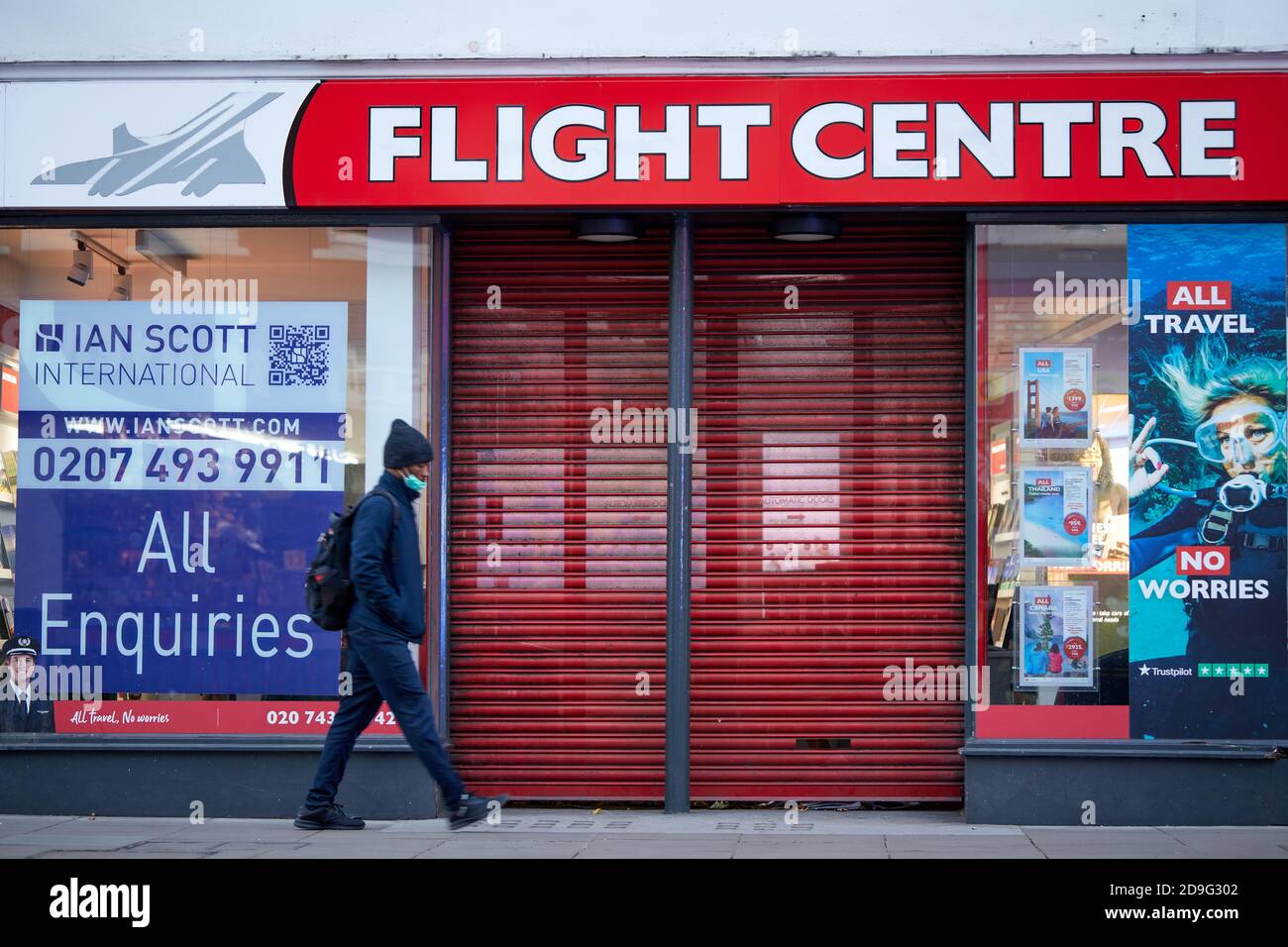
At the height of the lockdowns, Flight Centre faced the prospect of a complete cessation of revenue. Turner has noted in various industry discussions that the company’s primary objective during the 2020–2021 period was maintaining a “runway” of cash to survive until travel restrictions eased. To achieve this, the company executed a series of capital raisings and aggressive cost-cutting measures, including the closure of hundreds of retail outlets across its global network.

In a financial update to the Australian Securities Exchange (ASX), the company confirmed that it had raised significant capital through equity placements to bolster its balance sheet. These steps were essential to offset the fixed costs associated with maintaining a physical presence in shopping centers and high-street locations worldwide. By the end of the 2021 fiscal year, the company had shifted its focus toward maintaining its corporate travel arms—Corporate Traveller and FCM—which proved more resilient than leisure retail during the initial recovery phases.
The Shift Toward Corporate and Tech-Led Travel
A central pillar of Turner’s strategy during the pandemic was accelerating the company’s transition to a digital-first approach. Before 2020, Flight Centre was synonymous with physical travel agencies where customers would walk in to book holidays. The pandemic forced a rapid transition to online booking platforms and remote service models.
The company’s recovery has been underpinned by a strategic decision to invest in technology to improve the customer experience and operational efficiency. According to the company’s annual reports filed with the Australian regulator, this digital transformation was not merely a reaction to lockdowns but a long-term adjustment to changing consumer behaviors. The rise of remote work and the subsequent increase in “bleisure”—the blending of business and leisure travel—has allowed Flight Centre to capture new segments of the market that were not as prominent before the pandemic.
Industry Resilience and Future Outlook
The travel industry has shown a robust, albeit uneven, recovery since 2022. While labor shortages and inflationary pressures have presented new hurdles, the fundamental demand for travel remains high. Turner has frequently emphasized that the pandemic served as a “stress test” that exposed inefficiencies in the traditional travel agency model. The resulting leaner, more agile version of Flight Centre is now better positioned to handle market volatility, such as rising fuel costs or geopolitical instability.
According to the International Air Transport Association (IATA), the airline and travel sectors have largely returned to pre-pandemic capacity levels as of late 2023 and early 2024. For Flight Centre, the focus remains on scaling its corporate travel division, which currently accounts for a larger share of its total transaction value compared to the pre-2020 era. This shift has provided the company with a more stable revenue stream, less dependent on the seasonal fluctuations of the leisure market.
Operational Adjustments and Lessons Learned
The transformation of Flight Centre reflects broader trends in the global tourism sector. The pandemic forced companies to reconsider their reliance on physical assets and traditional booking flows. By diversifying into corporate services and investing in proprietary booking technology, firms like Flight Centre have sought to insulate themselves from future systemic shocks.

The company’s next major milestone will be its upcoming annual general meeting, where shareholders will review the latest financial performance metrics and the progress of its ongoing digital initiatives. As the industry moves further away from the acute crisis phase of 2020–2022, the focus for leaders like Turner remains on balancing growth with the financial discipline learned during the pandemic. Readers interested in the latest financial filings and market updates are encouraged to monitor the official investor relations portal on the company’s website for the most recent verified data.
What are your thoughts on the evolution of the travel industry post-pandemic? Share your perspective in the comments below.
Related reading