
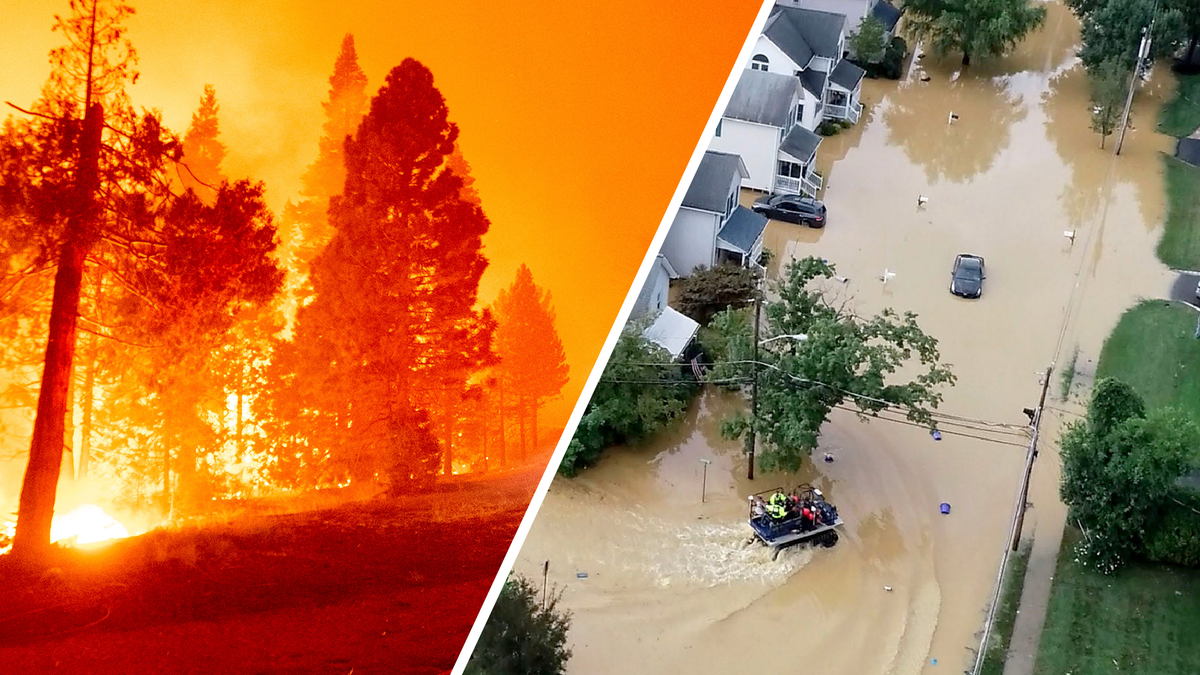
Severe weather events across the globe, ranging from catastrophic flooding in China to record-breaking heatwaves and glacial collapses in Europe, have intensified concerns regarding the accelerating impacts of climate change. According to data from the World Meteorological Organization, the frequency and intensity of extreme weather phenomena are increasingly linked to rising global temperatures, which reached record levels in 2023. These events are not isolated incidents but part of a broader pattern of environmental volatility affecting infrastructure, public safety, and agricultural output on multiple continents.
In China, torrential rains have triggered widespread flooding, displacing thousands and causing significant damage to urban and rural infrastructure. The China Meteorological Administration has issued multiple red alerts for rainfall in recent weeks, as seasonal monsoon patterns are exacerbated by atmospheric conditions consistent with long-term warming trends. Meanwhile, in the Italian Alps, the instability of mountain glaciers has become a focal point for researchers studying the direct consequences of alpine warming. The National Research Council of Italy (CNR) has documented a steady retreat of glacial masses, which increases the risk of sudden, high-altitude collapses that threaten hikers and mountain communities.
The Escalation of Extreme Weather in China
China is currently grappling with a series of extreme rainfall events that have overwhelmed drainage systems and prompted emergency evacuations in several provinces. The Ministry of Emergency Management reported that millions of citizens have been affected by flooding, with thousands of homes damaged or destroyed. Meteorologists attribute the severity of these storms to higher moisture content in the atmosphere, a physical result of warmer sea surface temperatures in the western Pacific.

The economic impact of these floods is substantial, affecting both industrial manufacturing hubs and critical agricultural zones. According to the South China Morning Post, the intensity of these precipitation events is outpacing historical averages, forcing local governments to adjust flood-prevention strategies. The government has mobilized the People’s Liberation Army and local emergency responders to conduct rescue operations in submerged districts, though the scale of the damage continues to challenge recovery efforts.
Glacial Instability in the Italian Alps
In Europe, the focus remains on the structural integrity of alpine glaciers, which are melting at an accelerated rate. The 2022 collapse of the Marmolada glacier, which resulted in the deaths of 11 people, remains a primary case study for scientists monitoring mountain hazards. The Alpine Space Programme notes that the combination of high-altitude heatwaves and the accumulation of meltwater within glacial crevices creates conditions for sudden, unpredictable mass wasting events.

Researchers from the University of Padua have been utilizing satellite imagery and ground-based sensors to monitor the movement of glaciers across the Dolomites. Their findings suggest that the seasonal window for safe mountain activity is narrowing, as the “permafrost glue” that holds rock faces together continues to degrade. Authorities in northern Italy have increased warnings for high-altitude zones, advising mountaineers to consult real-time geological risk assessments before entering sensitive areas.
Global Heatwaves and Public Health
Heatwaves are simultaneously affecting vast regions, with record-breaking temperatures being logged from the Mediterranean to the American Southwest. The Copernicus Climate Change Service confirmed that June 2024 was the warmest June on record globally, continuing a streak of 13 consecutive months of record-breaking temperatures. This prolonged heat creates a cascade of public health risks, including heatstroke, respiratory distress, and an increase in wildfire activity.
Public health agencies, including the World Health Organization, have emphasized that the elderly and those with pre-existing conditions are at the highest risk. Governments are increasingly implementing “heat action plans” that include the establishment of cooling centers, the adjustment of outdoor labor hours, and the strengthening of electrical grids to handle the surge in air conditioning demand. These measures are becoming standard procedures in regions that were previously considered temperate but are now experiencing regular, multi-day extreme heat events.
Future Monitoring and Official Advisories
As the climate continues to evolve, international bodies are calling for standardized data collection to improve early warning systems. The Intergovernmental Panel on Climate Change (IPCC) is scheduled to release further synthesis reports on adaptation strategies in the coming months, which will provide policy frameworks for national governments to mitigate disaster risks. For citizens in affected areas, local meteorological services remain the most reliable source for immediate safety guidance and evacuation orders.
Readers are encouraged to monitor their national environmental ministries for the latest hazard maps and weather updates. Understanding the specific risks for one’s region is essential in navigating the current period of climatic instability. We invite you to share your experiences or local observations in the comments section below to help foster a broader understanding of how these global phenomena are manifesting on the ground.
Worth a look