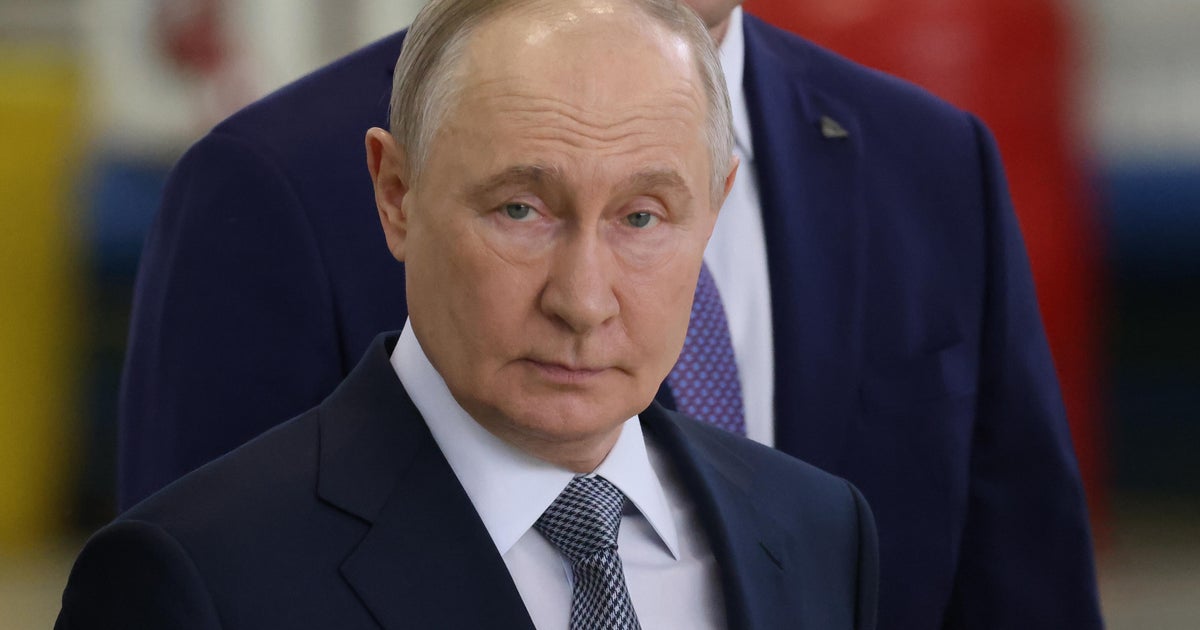
American intelligence assessments indicate that Russian President Vladimir Putin could be increasingly willing to authorize provocative actions that extend onto NATO territory, according to U.S. officials briefed on the matter. These potential operations could involve hybrid tactics, cyberattacks, small land incursions, and other deniable measures short of a conventional military campaign, security sources warned.
US Intelligence Warns Putin Could Authorize Provocations Against NATO
According to officials, the assessments reflect a shift in Putin’s risk calculus compared to previous months. Rather than necessarily triggering a broader conventional conflict, the likely goal would be to test NATO’s unity, challenge the credibility of the 32-country alliance, pressure Western allies into suspending military support for Ukraine, and test the Trump administration’s willingness to respond to an attack on a NATO member state. Lithuania’s defence minister stated that the Kremlin requires a new escalation or victory, identifying Poland and the Baltic region as the closest targets.
Pattern of Border Breaches and Hybrid Tactics Across Europe
U.S. officials and European leaders point to a growing pattern of actions that have heightened concerns across the continent. Incidents include the recent discovery of an explosive-laden drone at an airport in Germany, Russian drone incursions into Romania, a Russian missile crossing into Poland, and a broader uptick in suspected sabotage and cyber operations.
Security services in Poland and other eastern European nations have considered multiple scenarios, including drone attacks on power stations, simulated air strikes designed to trigger air defense systems, or limited ground incursions along NATO’s eastern flank from Belarus or Kaliningrad that Russia might claim as an accident. NATO Secretary General Mark Rutte warned last December that Moscow could be ready to use military force against the alliance within five years, stating, We are Russia’s next target, and we are already in harm’s way.
Stalled Conflict in Ukraine and Alliance Pressures
The warnings arrive as Russia continues to absorb heavy personnel and equipment losses in Ukraine, with newly arrived recruits suffering high casualty rates amid Ukraine’s deployment of AI-powered attack drones. U.S. diplomatic efforts to end the war have stalled without a clear path to renewed negotiations, while Ukrainian long-range strikes continue to target Russian petroleum supply chains and infrastructure.
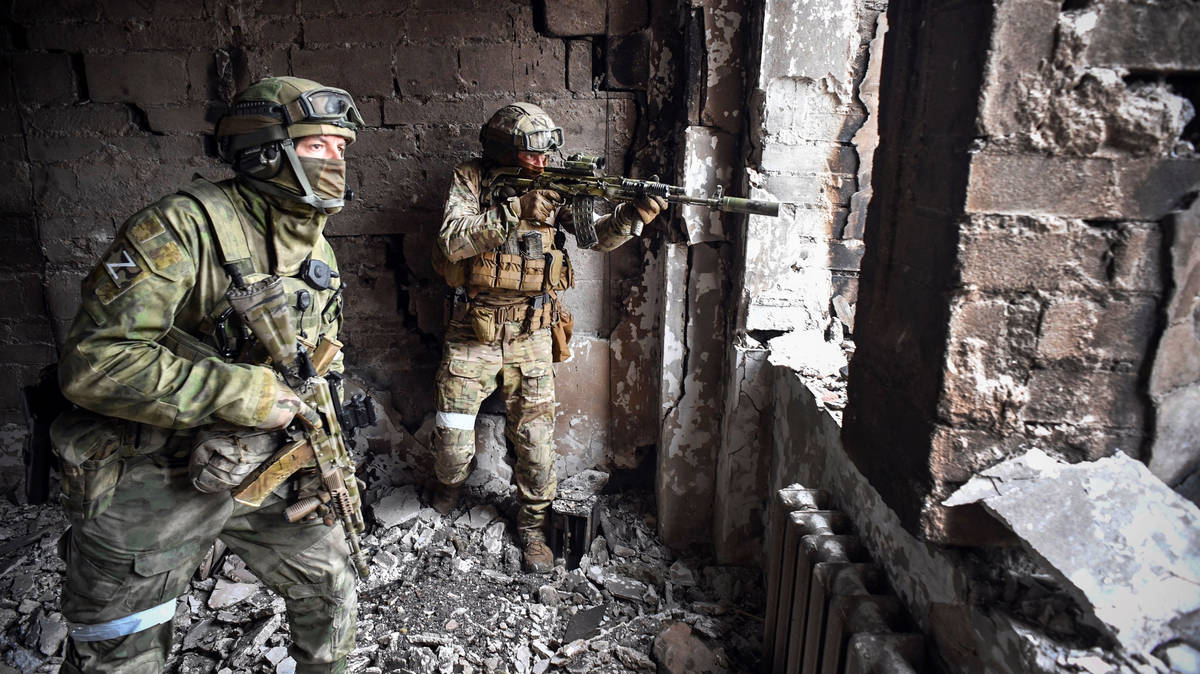
Domestically, the alliance faces internal political pressures. President Donald Trump has frequently criticized member states over defense spending shortfalls and lack of support for U.S. military operations involving Iran, while his administration has moved to reduce certain U.S. military asset contributions in Europe.
Article 5 and the Challenge of Sub-Threshold Attacks
Under Article 5 of the treaty establishing NATO, members of the bloc are expected to come to each other’s defense, treating an armed attack on any member state as an attack on all. However, analysts and officials note that ambiguous or hybrid tactics—such as cyberattacks or minor border incidents operating below the threshold of a full conventional invasion—present a distinct challenge for collective defense. Heather Conley, a senior fellow with the American Enterprise Institute, noted that challenging NATO’s credibility and separating the United States from its allies has long been a Russian objective. Colonel Martin O’Donnell, a NATO spokesman, stated that the alliance remains ready to deter and defend as necessary,
and is continuously preparing for various scenarios.
Related reading