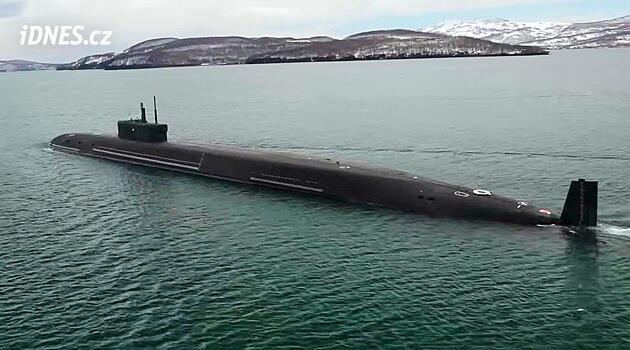
As the international community navigates an increasingly complex security landscape, the development and testing of advanced strategic weaponry remain at the forefront of global defense discussions. Recent reports concerning the Russian military’s pursuit of underwater nuclear-capable drone technology, specifically the Poseidon system, have prompted renewed scrutiny from defense analysts and member states within the North Atlantic Treaty Organization (NATO). These developments occur against a backdrop of evolving maritime security strategies and shifting geopolitical priorities across Europe and North America.
The Poseidon, an underwater nuclear-powered drone, represents a departure from traditional ballistic missile delivery systems. By utilizing the deep-sea environment, such technologies are designed to challenge existing missile defense architectures. For NATO, which operates as a defensive alliance comprising 32 countries, maintaining situational awareness regarding these advancements is a core component of its mission to protect its one billion citizens. The alliance continues to monitor such tests as part of its ongoing assessment of regional and global stability, emphasizing the need for transparency and adherence to international security norms.
To understand the current state of play, This proves essential to look at the broader commitments made by the alliance. As NATO Secretary General Mark Rutte recently highlighted, the focus remains on operational readiness and the fulfillment of defense spending targets, including the commitment to increase defense spending to 5% of GDP by 2035, as established during the Summit in The Hague last year. These financial and strategic adjustments are intended to ensure that the alliance remains prepared to address a wide spectrum of threats in a rapidly changing environment.
Strategic Implications of Underwater Warfare
The integration of autonomous, nuclear-powered underwater vehicles into a national strategic arsenal introduces new variables into the calculus of nuclear deterrence. Unlike land-based intercontinental ballistic missiles (ICBMs), which are trackable via satellite and ground-based radar, underwater drones are designed to operate at significant depths, potentially evading traditional detection systems. This capability has sparked intense debate among security experts regarding the long-term viability of current maritime surveillance networks.
NATO’s collective approach to these challenges is multifaceted. Beyond monitoring specific weapon tests, the alliance is currently finalizing preparations for the upcoming Ankara Summit, with Foreign Ministers gathering in Sweden to coordinate their policy responses. This collaborative effort is designed to ensure that all member states are aligned in their assessment of emerging risks, ranging from conventional military maneuvers to the deployment of novel strategic technologies. The goal is to maintain a credible deterrent posture that discourages aggression while fostering a stable security environment.
The Role of Defense Spending and Alliance Cohesion
The discourse surrounding new weapon systems is inextricably linked to the economic commitments of member nations. The 2035 defense spending goals are not merely budgetary targets; they represent a strategic shift toward modernizing military infrastructure and investing in research and development. In an era where technological superiority can shift rapidly, the ability of NATO allies to sustain high levels of investment is critical to maintaining the balance of power.
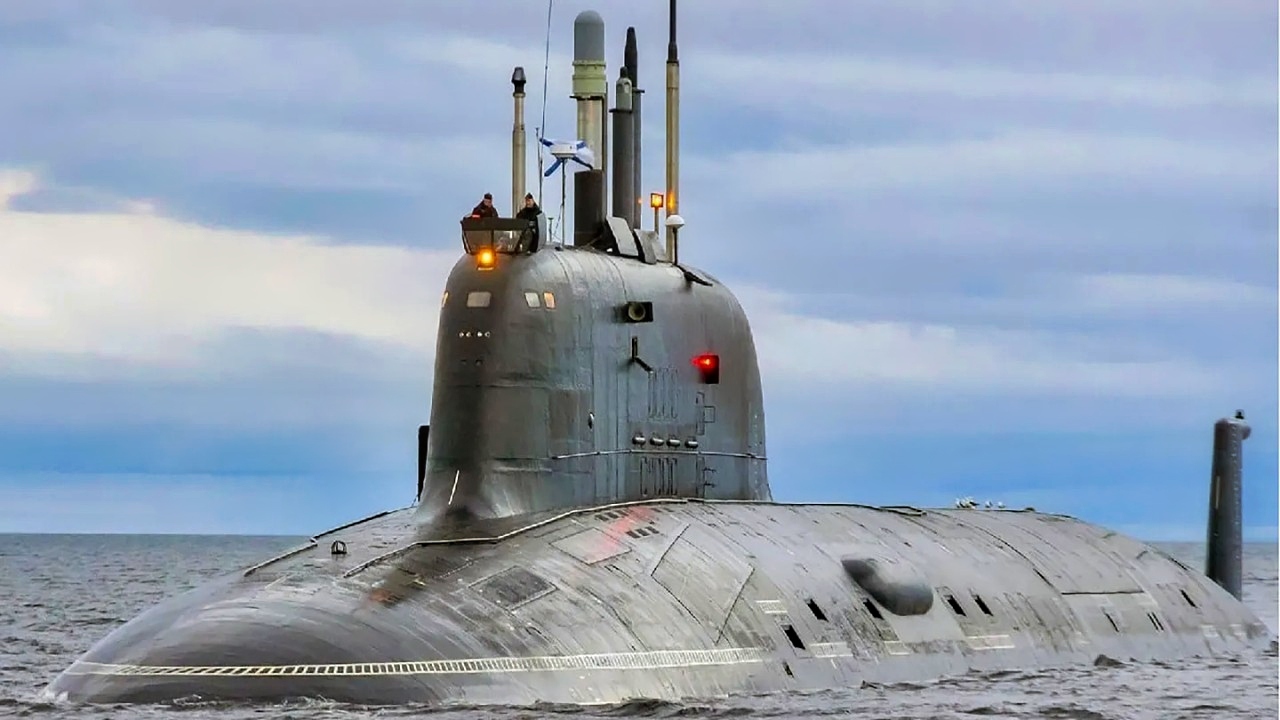
the alliance’s focus on the northern and maritime theaters is intensifying. With the recent accession of new members and the ongoing recalibration of defense priorities, the coordination between European and North American partners has never been more critical. The meeting of Foreign Ministers in Helsingborg serves as a vital checkpoint for these discussions, allowing the alliance to streamline its objectives ahead of the high-level talks scheduled in Ankara.
Addressing Global Security Concerns
While the technical specifications of underwater drones remain a subject of intense intelligence gathering, the primary concern for international observers is the potential for these systems to lower the threshold for nuclear escalation. The lack of standardized protocols for underwater nuclear assets creates a degree of ambiguity that could lead to miscalculations. International diplomacy remains the primary tool for mitigating these risks.
The emphasis remains on the defensive nature of the alliance. As stated by NATO officials, the mission is to uphold the security of its member nations through unity and collective strength. This involves not only monitoring external threats but also engaging in continuous dialogue to ensure that all diplomatic channels remain open, even during periods of heightened tension. The transparency of these processes is what distinguishes the alliance’s approach from the unilateral development of strategic assets by non-member states.
Looking Ahead: The Path to the Ankara Summit
As the international community looks toward the next phase of these developments, the focus will shift to the diplomatic outcomes of the Ankara Summit. The decisions made by NATO leaders in the coming months will likely shape the alliance’s security strategy for the next decade. Key areas of interest include the further integration of maritime surveillance capabilities and the continued refinement of the alliance’s nuclear deterrence policy.
The next official update regarding the alliance’s strategic posture is expected following the conclusion of the Ankara Summit, where leaders will finalize the roadmap for the implementation of the commitments made in The Hague. We will continue to monitor these developments closely, providing updates as new information becomes available from official briefings and summit conclusions. We invite our readers to share their perspectives on the evolving landscape of global security in the comments section below.