
The Formula 1 paddock is currently locked in a heated debate over the upcoming 2026 technical regulations, with a stark divide emerging between the sport’s most vocal critics and those who believe the changes will revitalize racing. Whereas several top drivers have expressed skepticism regarding the fresh direction, Alpine’s Pierre Gasly is pushing back against the prevailing narrative, arguing that there is too much negativity surrounding the F1 2026 regulations.
Gasly, who is currently competing for Alpine, suggests that the pessimistic outlook on the new rules overlooks the enduring importance of driver skill. In a landscape where some fear the technical shifts may diminish the impact of the athlete, Gasly maintains that the driver can still create a decisive difference in the outcome of a race, regardless of the regulatory framework.
This optimism stands in contrast to the views of other grid heavyweights. Reports indicate that drivers like Max Verstappen and Lando Norris have been critical of the new direction, with some descriptions suggesting they have “allied” against the changes, claiming the new rules may not be in the best interest of the competition.
The Weight of Regulations: Lessons from the Chinese Grand Prix
The tension surrounding technical compliance is not just a future concern for 2026 but a present reality that can derail a driver’s entire weekend. A recent example occurred at the Chinese Grand Prix, where the fine margins of the technical regulations led to the disqualification of three high-profile drivers: Lewis Hamilton, Charles Leclerc, and Pierre Gasly via Formula1.com.
The disqualifications centered on Article 4.1 of the Technical Regulations, which governs the minimum weight of the car. In the case of Charles Leclerc, his car initially weighed exactly 800kg—the minimum requirement—upon returning to the pits. However, because his front wing had been damaged in contact with teammate Lewis Hamilton, officials re-weighed the car with a retrieved endplate and a spare wing, bringing the weight to 800.5kg via Formula1.com.
The critical failure occurred during the fuel draining process. Following the procedure submitted by Ferrari, two liters of fuel were removed from Leclerc’s car, causing the weight to drop to 799kg, which is below the legal limit via Formula1.com. Similarly, Pierre Gasly’s car weighed 800kg at the finish, but after 1.1 kg of fuel was removed according to Alpine’s draining procedure, it as well fell to 799kg via Formula1.com.
The Human Element vs. Technical Precision
These incidents highlight the “fine margins” that Gasly is defending in the context of the 2026 rules. While the technical side of the sport—such as fuel mass checks and weight limits—is absolute, Gasly believes the “driver’s difference” remains the core of the sport. This perspective is essential as F1 transitions to a new era of power units and chassis designs in 2026.
For Gasly, the F1 2026 regulations represent a new chapter rather than a limitation. By challenging the “too much negativity” sentiment, he is positioning himself as a proponent of the sport’s evolution, suggesting that the ability to manage a car and execute a strategy will always outweigh the specific constraints of a rulebook.
Gasly’s Career Trajectory and the 2026 Horizon
Pierre Gasly’s confidence in the future of the sport is backed by a resilient career. Born in Rouen, France, Gasly has climbed through the ranks from the Formula Renault Eurocup, where he won the championship in 2013, to the GP2 Series, which he won in 2016 via Wikipedia.
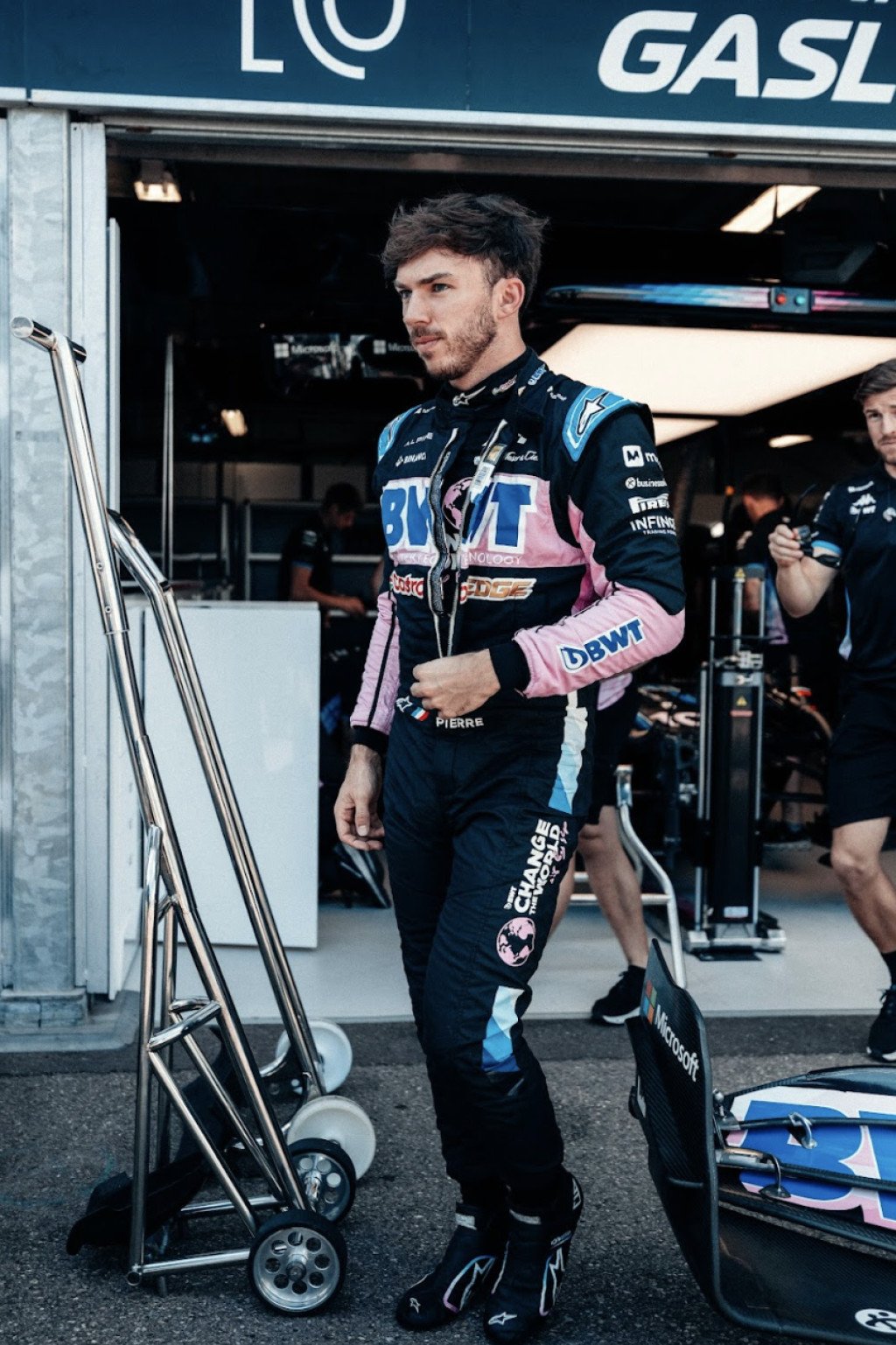
His Formula One journey began in 2017 with Toro Rosso, eventually leading to a landmark victory at the 2020 Italian Grand Prix via Wikipedia. Now driving for Alpine, Gasly’s role in the 2026 transition is pivotal, as Alpine-Mercedes will be one of the key entities navigating the new technical requirements.
The contrast in opinions between Gasly and other drivers like Verstappen and Norris reflects a wider tension in the sport: the balance between engineering dominance and athletic skill. When Verstappen and Norris voice concerns, they often focus on the potential for the rules to stifle the competitive nature of the racing, whereas Gasly views the same rules as a canvas upon which a skilled driver can still shine.
Key Technical Challenges and Impact
The shift to 2026 is not merely a minor update but a comprehensive overhaul. While the specific technical details of the 2026 power units are managed by the FIA and the teams, the impact on the drivers is immediate. They must adapt to different power delivery systems and chassis dynamics, which can either narrow the gap between the top and bottom of the grid or create new hierarchies.
The stakeholders affected by these changes include:
- The Drivers: Who must adapt their driving style to new aerodynamics and energy recovery systems.
- The Teams: Such as Alpine and Ferrari, who must invest millions in R&D to ensure their 2026 cars are compliant and competitive.
- The FIA: Which must enforce the regulations with the same precision seen in the weight-breach disqualifications in China.
Looking Ahead: The Path to 2026
As the sport moves closer to the 2026 season, the debate over whether the rules are “too restrictive” or “refreshingly challenging” will likely intensify. The disqualifications of Hamilton, Leclerc, and Gasly in China serve as a reminder that in Formula 1, the difference between a top-five finish and a total loss of points can be as little as one kilogram of fuel via Formula1.com.
Whether the 2026 regulations will lead to closer racing or further frustration for the drivers remains to be seen. However, with Pierre Gasly leading the charge for a more positive outlook, there is at least one voice in the paddock reminding the world that the man behind the wheel still matters.
The next confirmed checkpoint for the sport will be the continued rollout of the 2026 technical specifications and the subsequent wind-tunnel testing phases as teams refine their new designs.
Do you agree with Pierre Gasly that there is too much negativity surrounding the 2026 rules, or do you share the concerns of Verstappen and Norris? Let us know your thoughts in the comments below.
Worth a look