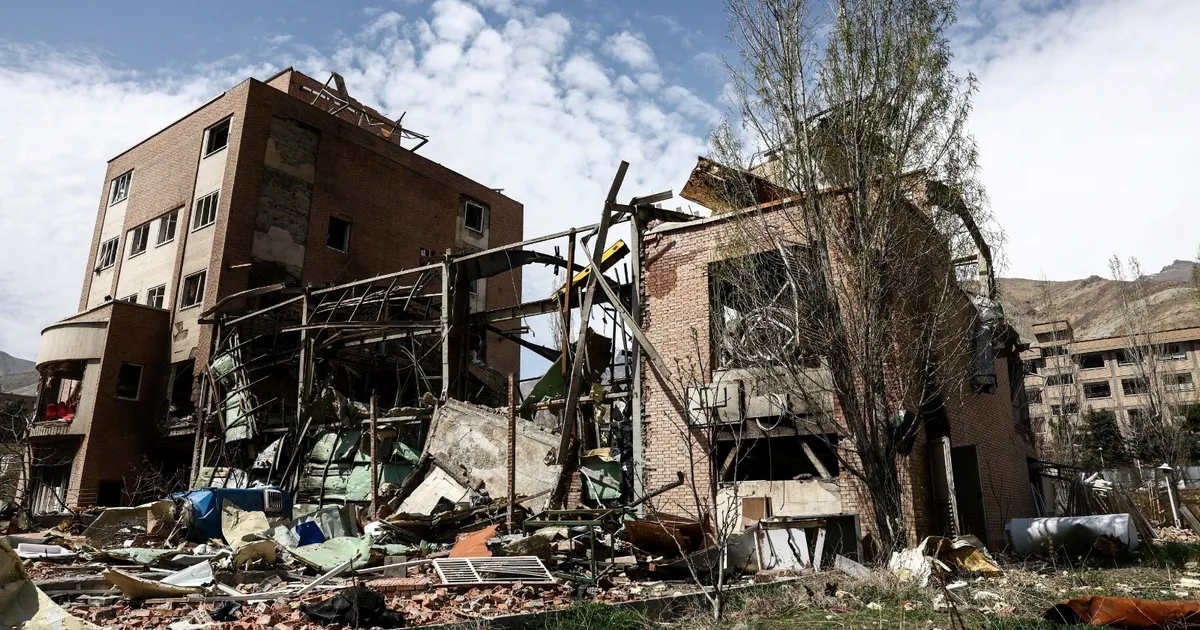
In a high-stakes military operation that pushed the limits of tactical aviation and intelligence, the United States has successfully completed the rescue of American pilots in Iran. President Donald Trump announced the successful recovery of a wounded American serviceman on Sunday morning via his Truth Social platform, marking the end of a tense, multi-day “race against time” following the downing of a U.S. Aircraft.
The crisis began on Friday when Iranian forces shot down an F-15 fighter jet. While Washington was able to rescue one of the pilots quickly on the same day, a second crew member—the officer responsible for weapons systems—remained missing for two days, sparking a massive search-and-rescue effort within Iranian territory according to Al Jazeera.
The operation to retrieve the second pilot was described by President Trump as one of the most complex and dangerous missions in recent history. The effort spanned approximately 45 hours and required an unprecedented coordination of air and ground assets to penetrate deep into hostile territory as reported by Sky News Arabia.
The Scale of the Rescue Operation
The sheer magnitude of the military response underscores the priority Washington placed on recovering its personnel. President Trump revealed that more than 170 U.S. Military aircraft were utilized throughout the entire process. The operation was split into two distinct phases: the initial rescue of the first pilot involved 21 aircraft, while the second, more grueling mission required the deployment of 155 aircraft per official details shared by the President.
On the ground, the mission was spearheaded by approximately 100 Special Forces members who navigated some of Iran’s most challenging landscapes according to reports from Al Jazeera. The complexity of the mission was further amplified by the geographical constraints of the region, as teams were forced to move through rugged mountainous terrain while under constant threat from Iranian forces.
U.S. Secretary of War Pete Hegseth provided further insight into the aerial risks, noting that American forces flew for seven hours within Iranian airspace specifically to secure the second pilot. He characterized the mission as “extremely precise” and a testament to the capabilities of the U.S. Military according to Sky News Arabia.
Key Takeaways from the Mission
- Total Aircraft: Over 170 military aircraft participated in the overall rescue effort.
- Special Forces: Roughly 100 elite personnel were deployed on the ground.
- Duration: The total operation lasted approximately 45 hours.
- Airspace Penetration: U.S. Aircraft remained inside Iranian airspace for seven hours during the second phase.
- Casualties/Losses: Two transport planes were lost after becoming stuck in sand and had to be detonated by rescue teams.
Tactical Challenges and CIA Deception
The mission was not without significant setbacks. President Trump detailed a harrowing moment where two transport aircraft became bogged down in the sand during the operation. To prevent sensitive equipment from falling into enemy hands or hindering the mission, rescue teams were forced to detonate the disabled aircraft as reported by Sky News Arabia.
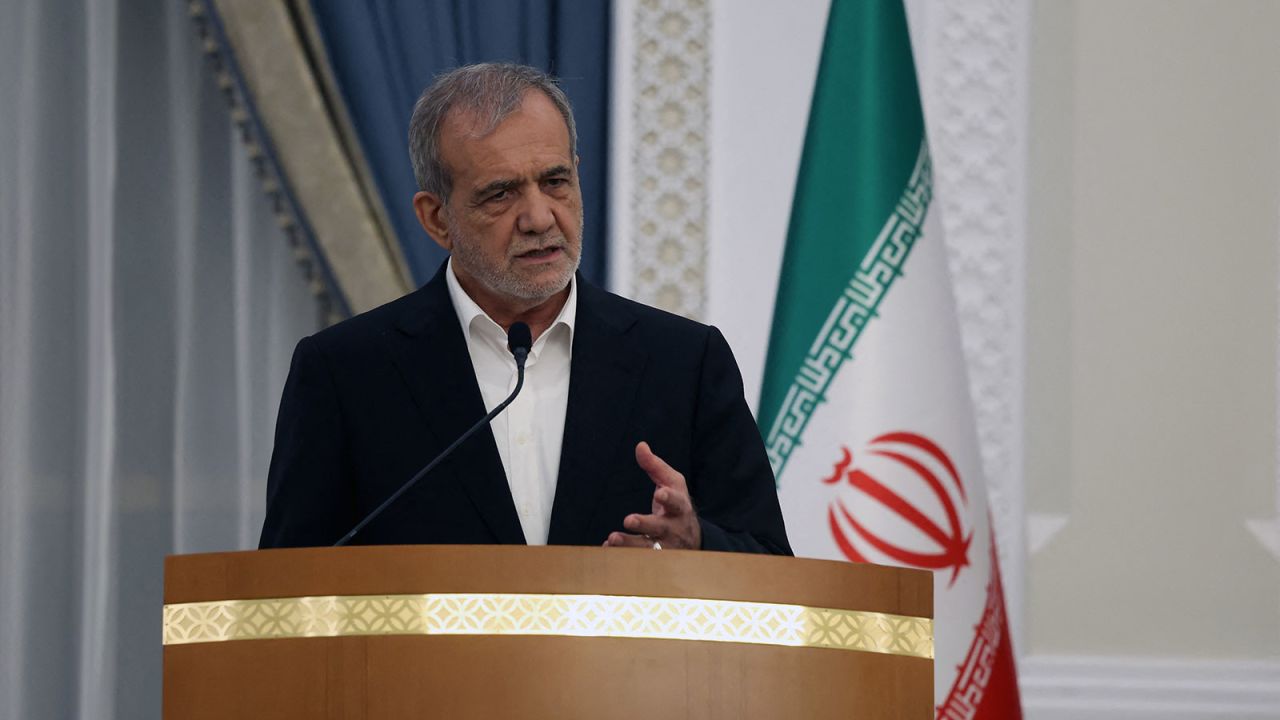
Beyond the physical obstacles, the success of the rescue of American pilots in Iran relied heavily on strategic misinformation. The Director of the CIA confirmed that a sophisticated deception operation was executed to mislead Iranian intelligence regarding the actual location of the missing pilot. This intelligence gambit provided the necessary window for Special Forces to reach the wounded airman before Iranian forces could secure him.
Field reports indicate that the rescue teams faced intense pressure, including receiving gunfire from very close range as they navigated the mountainous terrain. These factors combined to build the recovery of the weapons systems officer a “life or death race” between Washington and Tehran according to Al Jazeera.
International Cooperation and Geopolitical Fallout
While the operation was led by the United States, it was not a solo effort. According to reports from the Wall Street Journal, Israeli forces participated in the operation, highlighting a coordinated intelligence and military effort to ensure the pilots’ safety as cited by Al Jazeera.
The aftermath of the rescue has seen a sharp escalation in rhetoric. Secretary of War Pete Hegseth has issued a stern warning to Tehran, vowing that the U.S. Will carry out the “most violent bombing” operations in response to the initial shoot-down of the F-15 according to Al Weeam.
Domestically, the operation has sparked a different kind of conflict. President Trump expressed outrage over the leaking of sensitive operational details to the press. He has demanded an investigation to uncover the source of the leak and has hinted at taking legal action against those responsible for compromising the secrecy of the mission per Sky News Arabia.
The incident has further polarized the American political landscape, with some calling for the rescue to be celebrated as a military triumph and others raising concerns over the escalation of conflict with Iran according to Al Jazeera.
The White House has not yet provided a timeline for the legal proceedings regarding the leaks, but the administration remains focused on the immediate military posture in the region. The next confirmed checkpoint will be the formal briefing from the Department of War regarding the status of the recovered personnel and potential retaliatory measures.
We invite our readers to share their thoughts on this development in the comments below. Please share this story to keep others informed on the evolving situation in the Middle East.
Worth a look