F1 Engine Regulations: Sulayem’s Push for V8s Meets resistance, Future Plans Emerge
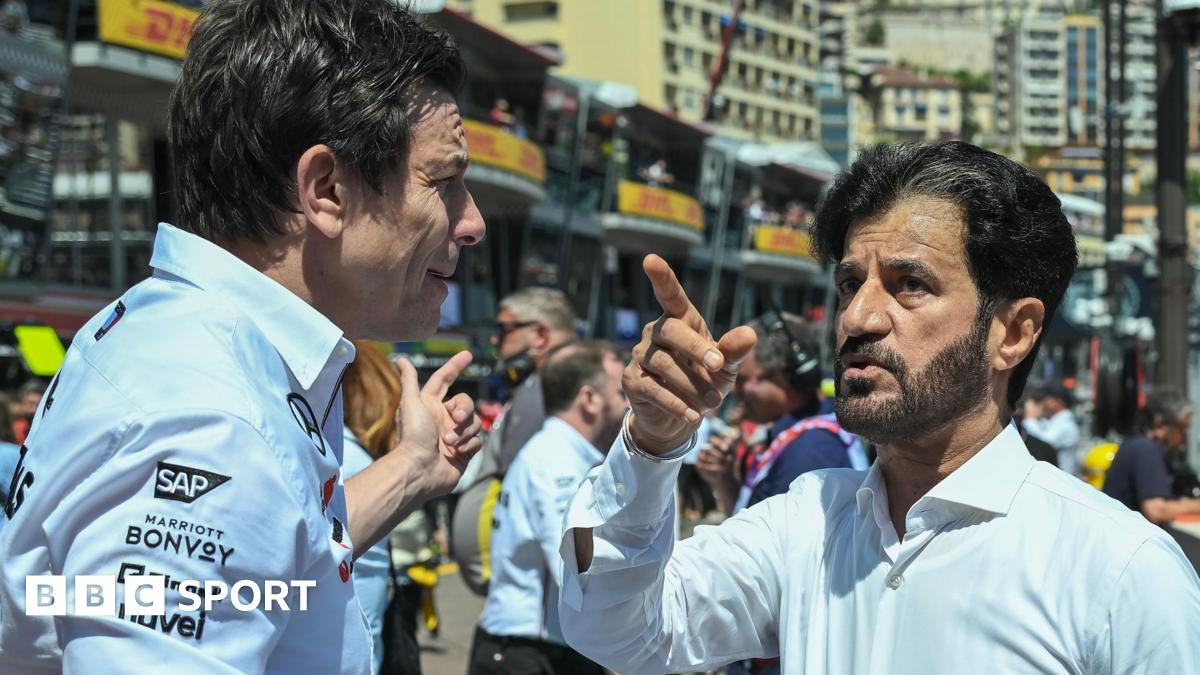
The future of Formula 1 engine regulations remains a dynamic battleground, with recent attempts to shift away from the current hybrid model facing important pushback. President of motorsport’s governing body, Mohammed Ben Sulayem, has encountered resistance twice in six months regarding proposed changes, highlighting a basic divide in vision for the sport’s powertrain future. This article breaks down the key developments, the reasons behind the stalled changes, and what you can expect in the coming years.
The Latest Proposal: A Return to V8 Power?
Initially, there wasn’t widespread opposition to moving towards 2.4-litre V8 engines. Though, disagreements quickly surfaced concerning the balance between internal combustion engine (ICE) power and the hybrid component.Furthermore, debate raged over whether to incorporate turbochargers and the overall timeline for implementation.
Ben Sulayem championed a return to naturally aspirated engines, specifically a 2.4-litre V8 configuration with a reduced reliance on hybrid technology. He believed this approach would enhance the raw sound and feel of F1, appealing to traditional fans. Despite garnering some support,he ultimately lacked the necessary consensus to alter the regulations for 2029,leading to the abandonment of this plan.
Bahrain Meeting & The Hybrid Commitment
This isn’t the first time Ben Sulayem’s vision has been challenged. A meeting at the bahrain Grand prix earlier this year saw his initial proposal for a V10 engine rejected. Manufacturers firmly established that hybrid technology and the use of sustainable fuels were non-negotiable elements of F1’s future.
The FIA subsequently affirmed its commitment to the 2026 regulations,while acknowledging ongoing discussions regarding the long-term direction of engine rules. Electrification and sustainable fuel usage were explicitly identified as crucial components of any future considerations.
What the 2026 Regulations Do Entail
Currently, the 2026 rules maintain the 1.6-litre V6 turbo-hybrid architecture. Though, significant changes are on the horizon:
Increased Hybrid Power: The hybrid element will substantially increase, contributing approximately 50% of the total engine power – a significant jump from the current 20%.
Fully Sustainable Fuels: The regulations mandate the use of 100% sustainable fuels, aligning F1 with broader environmental goals.
Simplified Hybrid System: While increasing in power, the hybrid system itself will be simplified, possibly reducing costs and complexity.
Manufacturer Stance & Ford‘s position
Key manufacturers like Honda, mercedes, and Audi have consistently demonstrated a strong commitment to hybrid power. This unified front played a crucial role in resisting the push for a return to naturally aspirated engines.
ford, a returning power unit manufacturer, also signaled its support for partial electrification. in an exclusive interview with BBC Sport, Ford CEO Jim Farley stated the company is “very committed to partial electrification for performance.” This highlights the growing industry trend towards hybrid technology, even within the performance sector.
What’s Next? A Pause Until 2031?
Sources indicate ben Sulayem now intends to postpone any further attempts to modify the engine regulations until 2031. This strategic shift is likely due to the current governance agreements, which only extend until 2030.
Theoretically, the FIA could impose new rules for 2031 without manufacturer consent. However, unilaterally introducing naturally aspirated engines carries a ample risk. Such a move could prompt several manufacturers to withdraw from F1, given their significant investments in hybrid technology.
The Road Ahead: Balancing Tradition & Innovation
The ongoing debate underscores the complex challenge of balancing the desire for a return to the iconic sounds and sensations of past F1 eras with the need for technological innovation and environmental responsibility.
One source told BBC Sport that Ben Sulayem was perceived as moving “too fast, too soon to get everyone on side.” Successfully navigating this landscape will require careful negotiation, compromise, and a clear vision for the future of Formula 1.
Disclaimer: This article is based on publicly available data as of October 26,
Worth a look