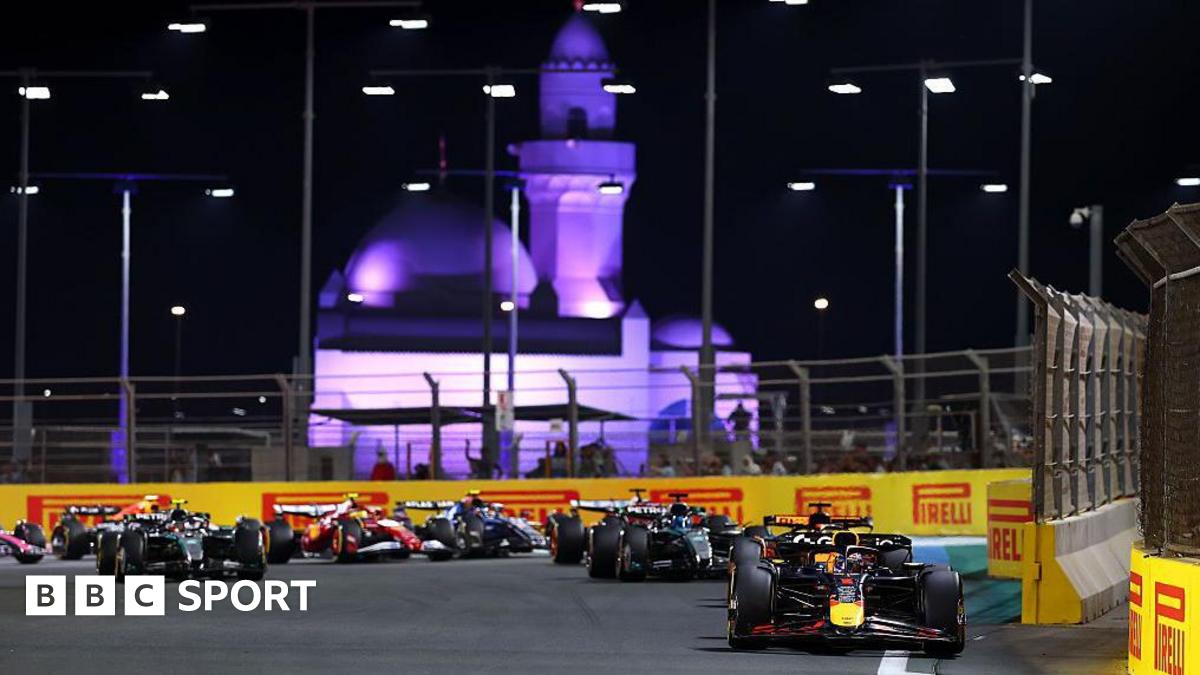
The world of Formula 1 has been forced to recalibrate its 2026 season following the cancellation of both the Bahrain and Saudi Arabian Grands Prix. The decision, announced on Sunday, March 15, 2026, comes amid escalating regional instability linked to the ongoing conflict involving Iran, prompting serious concerns about safety and logistical challenges. This marks a significant disruption to the early F1 calendar and raises questions about the sport’s ability to navigate geopolitical complexities.
The cancellations weren’t entirely unexpected. The situation in the Middle East had already begun to impact F1 operations, most notably during the season-opening Australian Grand Prix. Teams and personnel experienced significant travel disruptions as airspace across the region was closed, forcing many to find alternative routes to Melbourne, often via longer and more complex paths through hubs like Dubai and Doha. The logistical strain of transporting the massive amount of equipment required for a Formula 1 race – a process that typically relies on efficient air freight routes – became increasingly untenable as the conflict intensified. The potential for direct threat to personnel and infrastructure ultimately led to the difficult decision to call off the races in Bahrain and Saudi Arabia.
Geopolitical Concerns Drive Cancellation
The immediate catalyst for the cancellations is the ongoing conflict involving Iran. While the specifics of the conflict remain fluid, the potential for escalation and the risk of attacks on both Bahrain and Saudi Arabia were deemed too high to proceed with the races. Bahrain is home to a significant US naval base in Manama, specifically in the Juffair district, an area where many F1 personnel typically stay during race weekends. This proximity to a potential target made the location particularly vulnerable. Saudi Arabia, too, has experienced security threats in recent years. In 2022, a missile strike targeted an oil facility near the Jeddah circuit during the Saudi Arabian Grand Prix, highlighting the region’s susceptibility to attack. ESPN reported on the cancellations, citing the war as the primary reason.
The decision wasn’t taken lightly, and Formula 1 officials explored several alternative options to salvage the races. Potential host countries, including Portugal (Portimao), Italy (Imola), and Turkey (Istanbul), were considered. A second race in Japan was also floated as a possibility. However, each option presented significant logistical hurdles. Organizing a Formula 1 race requires substantial lead time for ticket sales, infrastructure setup, and securing necessary permits and hosting fees. Given the urgency of the situation, these requirements proved insurmountable. The already demanding schedules of F1 personnel, particularly following the condensed 2025 season and the significant regulatory changes implemented for the 2026 season, made adding additional races impractical.
Logistical Challenges and Regulatory Impact
The logistical complexities of Formula 1 are immense. Teams transport a vast amount of equipment – cars, engines, tools, and personnel – across the globe for each race. This typically involves a carefully coordinated network of air and sea freight. The closure of airspace in the Middle East disrupted this network, adding significant time and expense to travel. The potential for further disruptions, coupled with the security risks, made it clear that continuing with the Bahrain and Saudi Arabian races was not feasible. NBC News also confirmed the cancellations, emphasizing the impact of the conflict on travel arrangements.
Beyond the immediate disruption to the calendar, the cancellations also have implications for the technical regulations. The 2026 season saw the introduction of a new engine formula, featuring a 50-50 split between internal combustion and electrical power. This significant change has sparked debate within the sport, with some expressing concerns that it may have diminished the importance of driver skill. The unplanned gap in the schedule now provides an opportunity for F1 to regroup and consider potential tweaks to the regulations. The break also allows teams valuable time to analyze data from the first three races of the season (Australia, China, and Japan) and work on improving their cars. The revised schedule will impact the rules governing engine development, potentially allowing teams like Honda and Red Bull Powertrains, who have experienced early-season challenges, to accelerate their development programs.
Engine Development and Team Strategies
The engine development regulations are structured around specific dates at which power unit performance is assessed. Teams trailing their competitors by a certain margin are granted additional development opportunities to close the gap. Honda, facing a challenging start to the 2026 season, is already guaranteed additional development time. Recent performance data from the Chinese Grand Prix suggests that Red Bull Powertrains may also be eligible for increased development resources. This unexpected opportunity could prove crucial for both teams as they strive to improve their competitiveness throughout the season.
The cancellation of these races also impacts the overall strategic landscape for teams. The extended break between the Japanese and Miami Grands Prix provides a valuable window for analysis and refinement. Teams can thoroughly evaluate their performance in the early races, identify areas for improvement, and implement upgrades before heading to the Americas. This extended period of development could significantly alter the competitive balance as the season progresses.
Looking Ahead: Revised Calendar and Future Considerations
Formula 1 is actively working on revising the 2026 calendar to accommodate the cancelled races. While no immediate replacements have been announced, discussions are ongoing regarding potential alternative venues and dates. The sport is committed to ensuring a full and competitive season, but the ongoing geopolitical situation remains a significant factor. The cancellations serve as a stark reminder of the challenges facing global sports in an increasingly uncertain world.
The situation also raises broader questions about the sport’s long-term strategy for racing in politically sensitive regions. While the Middle East represents a significant market for Formula 1, the risks associated with hosting races in these areas are becoming increasingly apparent. The sport will necessitate to carefully weigh the economic benefits against the potential security concerns as it plans its future calendar. Al Jazeera provided comprehensive coverage of the cancellations and the surrounding geopolitical context.
The next confirmed event on the Formula 1 calendar is the Miami Grand Prix, scheduled for May 3-5, 2026. Teams will undoubtedly apply the intervening weeks to analyze their performance in the opening races and prepare for the challenges ahead. The situation remains fluid, and further updates will be provided as they become available. The Formula 1 community, and fans worldwide, will be closely monitoring developments as the sport navigates this challenging period.
What are your thoughts on the cancellation of these races? Share your opinions and predictions in the comments below. Don’t forget to share this article with fellow Formula 1 enthusiasts!