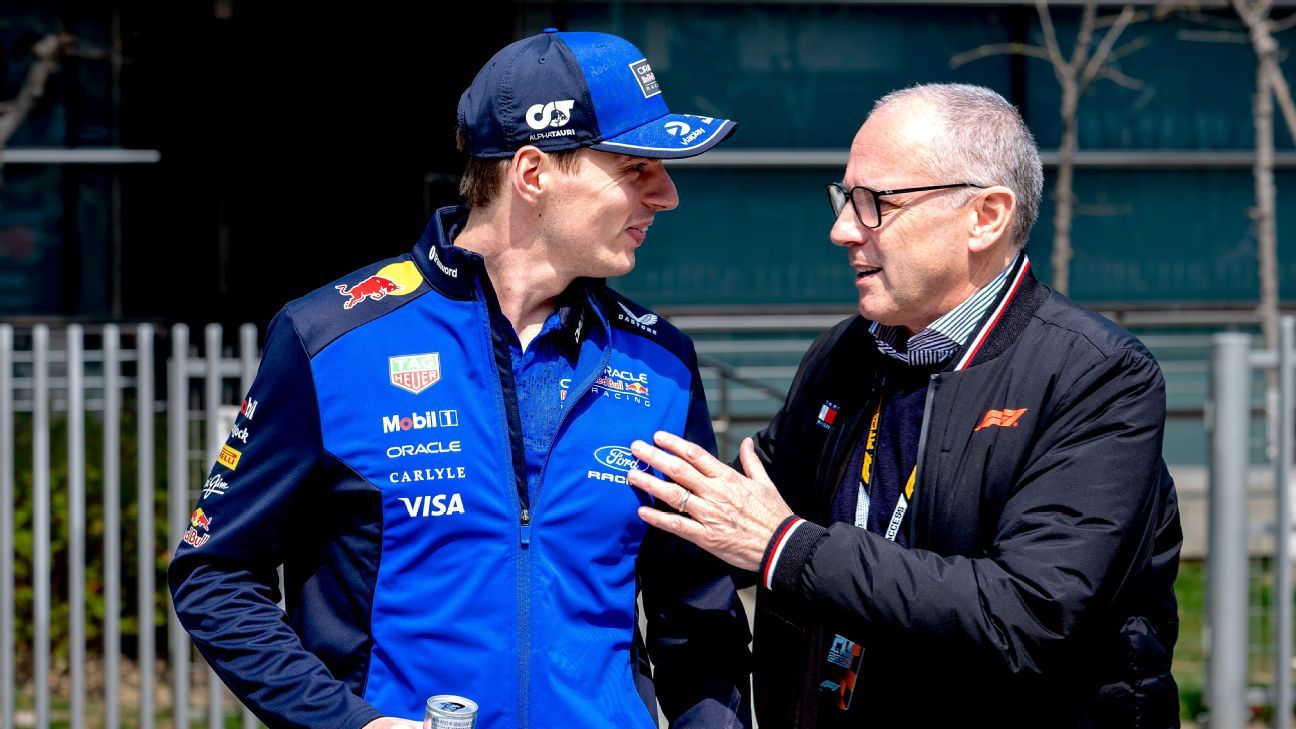
Formula 1 chief Stefano Domenicali has pushed back against criticism of the sport’s current direction, suggesting that detractors suffer from “short memories” when evaluating the evolution of racing. Speaking in the context of ongoing debates about the 2022 technical regulations and their impact on on-track action, Domenicali emphasized that the changes were necessary to improve competition and sustainability in the long term. His remarks come amid continued scrutiny from fans, former drivers, and analysts who argue that the current generation of cars has made overtaking more difficult and diminished the spectacle in certain races.
Domenicali, who became Formula 1’s Chairman and CEO in January 2021, has been a central figure in guiding the sport through a period of significant regulatory and commercial transformation. Under his leadership, F1 has introduced a budget cap, pursued greater equality among teams, and pushed for a net-zero carbon target by 2030. The Italian executive, a former Ferrari team principal, often frames these shifts as essential for the sport’s future viability, arguing that short-term discomfort should not overshadow long-term gains.
The 2022 season marked the debut of a radical aerodynamic overhaul designed to reduce the turbulent wake (“dirty air”) behind cars, thereby enabling closer racing. The latest ground-effect cars feature simplified front wings, larger rear wings, and underfloor tunnels that generate downforce differently than previous generations. Although early races showed promise in terms of increased overtaking, particularly at circuits like Bahrain and Saudi Arabia, some events — such as the 2022 Monaco Grand Prix and the 2023 Singapore Grand Prix — saw limited passing, reigniting debates about whether the goals have been fully realized.
Critics have pointed to specific races where strategy, tire management, and track position appeared to outweigh pure speed as determinants of outcome. Former world champions like Sebastian Vettel and Fernando Alonso have occasionally voiced concerns that the cars are too sensitive to follow closely in certain conditions, despite the intent of the regulations. Others note that while the wake reduction has helped, the overall downforce levels remain high, making it difficult to lose less performance when in another car’s slipstream.
Domenicali’s “short memories” comment appears to reference a broader historical context in which Formula 1 has repeatedly faced backlash during transitional periods. He likely alludes to past eras — such as the introduction of the hybrid power units in 2014 or the grooved tires of the early 2000s — where initial resistance gave way to acceptance as the technology matured and racing improved. By framing current critiques as forgetful of this pattern, he positions himself as advocating for patience and trust in the process.
Supporting this perspective, data from Pirelli and the FIA shows that the average number of overtakes per race has increased since 2021, when DRS-assisted passes began to rise following refinements to the system. In 2023, the average number of overtakes per Grand Prix reached 43.5, up from 27.1 in 2021, according to official F1 statistics verified by Formula 1’s official site. While not all overtakes are due to car design — DRS and tire strategy play significant roles — the trend suggests that the aerodynamic changes are contributing to a more dynamic racing environment over time.
the financial regulations introduced alongside the technical changes have begun to level the playing field. In 2023, teams outside the traditional top three — Red Bull, Ferrari, and Mercedes — secured more podium finishes than in any season since 2012, with Aston Martin, McLaren, and Alpine all achieving multiple top-three results. This shift toward greater competitiveness aligns with one of Domenicali’s stated goals: reducing the performance gap between the richest and least-funded teams.
Environmental commitments also form a key part of Domenicali’s vision. Formula 1 has committed to using 100% sustainable fuels by 2026, coinciding with the next major power unit regulation cycle. The sport has already begun testing biofuels in current engines and working with fuel suppliers to develop drop-in alternatives that could reduce carbon emissions by up to 65% compared to fossil fuels. These efforts are part of a broader sustainability strategy that includes reducing logistics emissions and transitioning to renewable energy at races.
Despite these advancements, challenges remain. The 2024 season has seen renewed criticism, particularly after races like the Australian and Japanese Grands Prix, where DRS effectiveness appeared diminished on certain circuits, and tire degradation led to conservative driving. Some engineers have noted that while the wake reduction works well in theory, real-world variables such as track surface, wind conditions, and tire behavior can still hinder close racing. The FIA continues to monitor and adjust elements like DRS activation zones and tire compounds in response.
Domenicali himself has acknowledged that perfection is not immediate. In interviews throughout 2023, he stressed that the regulations are a foundation, not a final product, and that incremental improvements will continue. He has pointed to ongoing collaboration with teams through the F1 Commission and Technical Advisory Committee to refine the rules based on real-world data.
For fans seeking to understand the nuances of modern Formula 1, several resources offer transparent insight. The FIA publishes technical regulations and bulletins that detail changes to car specifications, while Formula 1’s website provides race-by-race analysis, including DRS usage statistics and overtaking logs. Broadcasters like Sky Sports F1 and ESPN also offer expert breakdowns during race weekends, often using telestrations and GPS data to illustrate how cars interact on track.
As the sport moves toward the 2026 regulation overhaul — which will introduce new power units, active aerodynamics, and a greater emphasis on driver input — the current era serves as a transitional phase. Whether the “short memories” critique holds will depend on how effectively the lessons of this period are applied to the next generation of cars. For now, the balance between innovation, competition, and tradition remains a central tension in Formula 1’s evolution.
Stefano Domenicali’s leadership continues to shape a sport in flux, navigating pressures from heritage fans, commercial partners, and technological imperatives. His defense of the current direction reflects a belief that meaningful change requires both time and resilience in the face of nostalgia. As Formula 1 prepares for its next chapter, the dialogue between critics and advocates will likely remain a defining feature of its public discourse.
To stay updated on Formula 1’s regulatory developments, race results, and sustainability initiatives, readers can follow official channels including the Formula 1 website, the FIA’s communications portal, and accredited motorsport journalists covering the paddock. Engaging with verified sources ensures a clearer understanding of the complex forces shaping the sport today.
What do you suppose about the current state of Formula 1 racing? Share your thoughts in the comments below, and aid spread the conversation by sharing this article with fellow fans.
Keep reading