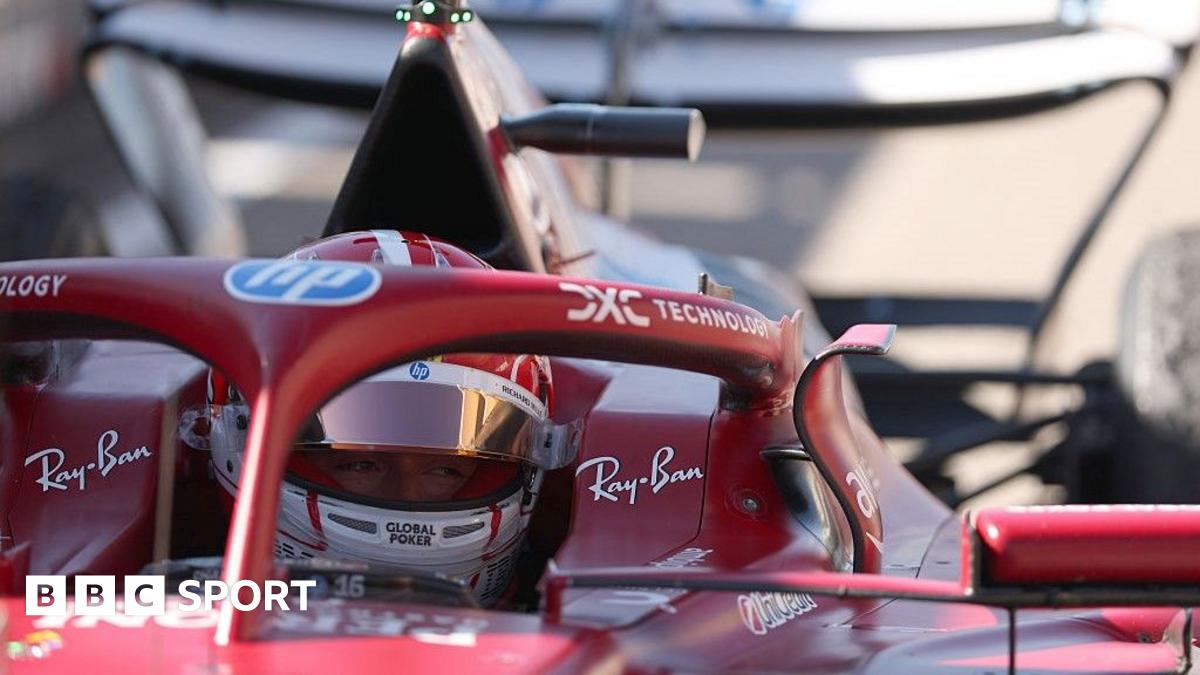
The Formula 1 Halo: A Thorough Guide to Driver Safety Innovation
The halo,a now-ubiquitous feature of Formula 1 cars,represents a pivotal shift in motorsport safety. Introduced in 2018, this curved, wishbone-shaped structure surrounding the driver’s cockpit has become a defining visual element of the modern F1 era. But beyond its appearance, the halo embodies a complex engineering feat and a story of overcoming initial resistance to prioritize driver wellbeing. This article delves into the history, design, impact, and future of the F1 halo, providing a definitive resource for enthusiasts and those curious about this crucial safety innovation.
Understanding the Genesis of the Halo
Prior to the halo,Formula 1 racing faced ongoing challenges in protecting drivers from head injuries caused by collisions and flying debris. Open-cockpit designs, while offering visibility, left drivers vulnerable. Several near-miss incidents and tragic accidents highlighted the urgent need for enhanced head protection.
Did You Know? The concept of a driver head protection device dates back decades,with various iterations explored throughout F1 history,but none gained traction until the halo’s progress.
The FIA (Fédération Internationale de l’Automobile), the governing body of Formula 1, initiated research and development into potential solutions. The halo emerged as the most viable option after extensive testing and analysis, despite initial skepticism from teams and fans.
Halo Design and Engineering: A Deep Dive
The halo isn’t simply a piece of metal bolted onto the car.It’s a meticulously engineered structure designed to meet stringent safety requirements while minimizing driver obstruction. Here’s a breakdown of its key features:
* Material: Constructed from titanium, the halo offers an exceptional strength-to-weight ratio. This is crucial for maintaining the car’s overall performance.
* Attachment Points: The halo is securely attached to the chassis at three points: the central roll structure, and two points either side of the cockpit. This distributes impact forces effectively.
* Strength & Weight Capacity: The halo is designed to withstand immense forces – capable of supporting the weight of a double-decker London bus (approximately 12 tonnes).
* Visibility Considerations: Engineers worked diligently to minimize visual obstruction. The halo’s curved design and strategic positioning aim to provide drivers with an acceptable field of vision.
* Aerodynamic Impact: Initial concerns about aerodynamic disruption were addressed through extensive wind tunnel testing and computational fluid dynamics (CFD) analysis.
Pro Tip: The halo’s design isn’t static. Teams continually refine the fairing around the halo to optimize airflow and minimize aerodynamic drag.
The Halo’s Impact: Proven Safety in Action
The halo’s effectiveness has been demonstrably proven in several high-profile incidents.Notable examples include:
* 2018 belgian Grand Prix: Charles Leclerc avoided serious injury when Fernando Alonso’s car launched over the halo, preventing a direct impact to Leclerc’s head.
* 2021 azerbaijan Grand Prix: max Verstappen’s car landed on George Russell’s halo after a collision, again showcasing the device’s protective capabilities.
* Numerous Debris Deflections: The halo has consistently deflected smaller debris, preventing potential eye or head injuries.
Recent statistics from the FIA show a notable reduction in head injury risk as the halo’s introduction. while quantifying the exact impact is complex, the evidence strongly suggests the halo has substantially improved driver safety. FIA Safety Report
Addressing the Controversy: From Criticism to Acceptance
the halo’s introduction wasn’t without controversy. Many fans and drivers initially criticized its aesthetics,arguing it detracted from the open-cockpit character of Formula 1. Concerns were also raised about potential difficulties in extricating drivers from the car in the event of an accident.
Though, the FIA addressed these concerns through:
* Extrication Procedures: Revised extrication procedures were developed and practiced to ensure drivers could be safely removed from the car with the halo in place.
* demonstrated Effectiveness: The halo’s performance in real-world incidents
Related reading