
From Indianapolis to Miami: A Complete History of US Formula 1 Grand Prix Locations
As the Formula 1 calendar prepares for the 2026 Miami Grand Prix, the sport’s growing presence in the United States prompts a look back at the storied history of racing on American soil. From the pioneering days of road racing to the modern, purpose-built circuits, the United States has hosted Formula 1 Grands Prix at a diverse range of locations. Understanding this history provides context for the sport’s current boom in popularity and the strategic importance of the American market for F1 teams and manufacturers.
The relationship between Formula 1 and the United States dates back to the very early years of the World Championship. While the initial races weren’t always designated as “Grand Prix” in the modern sense, they laid the foundation for a lasting connection. The US has proven to be a challenging and rewarding market for the sport, with periods of intense interest followed by lulls, and now, a resurgence fueled by dedicated fan bases and strategic investments.
The Early Years: Road Courses and Pioneering Races (1950-1980)
The first World Championship race held in the United States took place in 1950 at the Indianapolis Motor Speedway. However, this race was unique as it was run under American Automobile Association (AAA) rules, differing from the Formula 1 regulations of the time. It wasn’t until 1958 that a fully-fledged Formula 1 race, adhering to international standards, was held at the Indianapolis Motor Speedway. This race continued annually until 1960, marking the first consistent presence of Formula 1 in the US.
Following Indianapolis, the sport explored other venues. Watkins Glen, New York, emerged as a prominent location, hosting the United States Grand Prix from 1961 to 1980. The Watkins Glen International circuit, initially a temporary street circuit, evolved into a permanent road course, becoming a beloved fixture on the F1 calendar. The challenging layout and passionate fanbase made Watkins Glen a highlight for drivers and spectators alike. During this period, the US Grand Prix at Watkins Glen saw iconic victories from drivers like Jim Clark, Jackie Stewart, and Niki Lauda.
A Brief Hiatus and the Return to the West Coast (1981-1983)
After Watkins Glen, Formula 1 took a break from the United States for a few years. The sport returned in 1981 with a new venue: Las Vegas. The Caesars Palace Grand Prix, held in 1981 and 1982, was a unique event, taking place in the parking lot of the Caesars Palace hotel. The race was known for its glitz and glamour, reflecting the city’s reputation, but also for its challenging and often chaotic nature due to the tight and bumpy circuit layout.
In 1983, the US Grand Prix moved to Long Beach, California. The Long Beach Grand Prix proved to be a more successful and enduring venue, hosting races until 1983. The street circuit, winding through the city streets, offered a different challenge for drivers and attracted a large crowd. Mario Andretti secured a memorable victory at Long Beach in 1977, becoming the first and, to date, only American driver to win a Formula 1 World Championship race on home soil.
The Texas Motor Speedway and Indianapolis’ Second Act (1990s – 2000s)
The 1990s saw another period of limited Formula 1 presence in the United States. In 1996, the Texas Motor Speedway in Fort Worth, Texas, hosted a single Grand Prix. While the event attracted a sizable crowd, it was not renewed for subsequent years. The track’s oval configuration and the challenges of adapting it for a road course layout were cited as contributing factors.
Indianapolis returned to the Formula 1 calendar in 2000, but this time with a different configuration. The race was held on a purpose-built road course incorporating part of the oval, aiming to provide a more traditional Formula 1 experience. The United States Grand Prix at Indianapolis continued annually until 2007, becoming a relatively stable fixture on the calendar during that period. However, concerns over track surface deterioration and declining attendance led to its eventual removal.
The Modern Era: Austin, Miami, and Las Vegas (2012-Present)
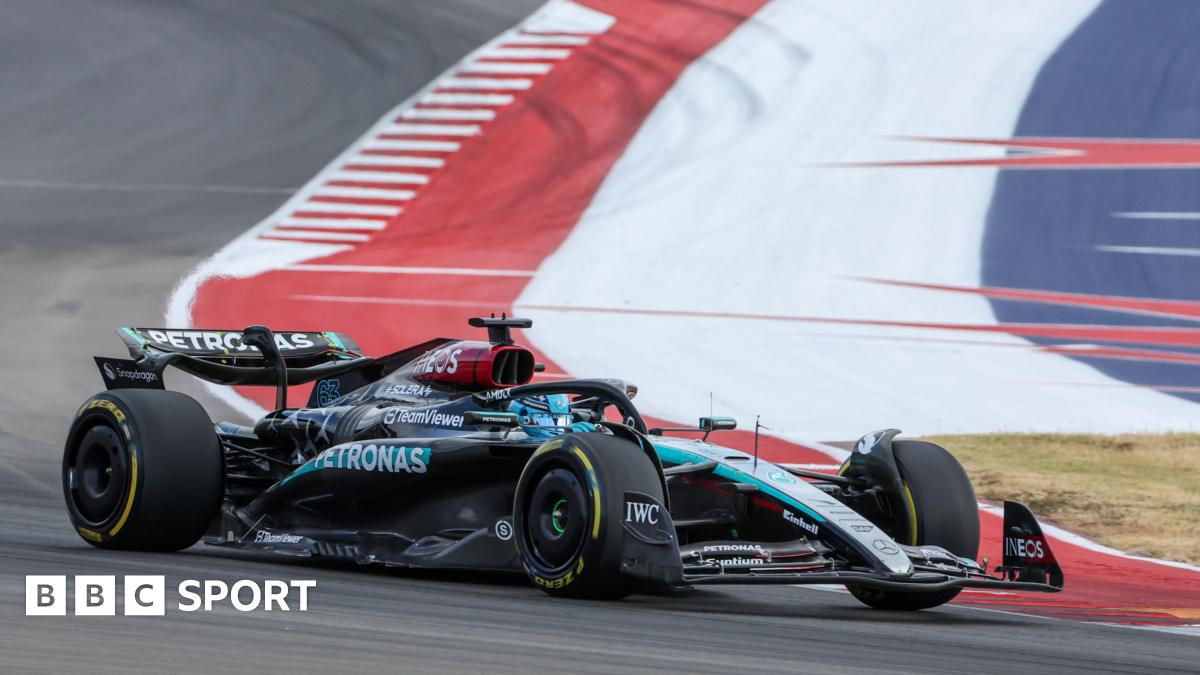
After a hiatus of several years, Formula 1 made a significant return to the United States in 2012 with the Circuit of the Americas (COTA) in Austin, Texas. COTA, a purpose-built road course designed with input from renowned track architect Hermann Tilke, quickly became a popular venue, attracting large crowds and positive reviews from drivers and teams. The United States Grand Prix at COTA has been a consistent fixture on the calendar ever since, solidifying the US as a key market for the sport.
In 2022, Formula 1 expanded its presence in the US further with the inaugural Miami Grand Prix, held at the Miami International Autodrome, a temporary street circuit built around the Hard Rock Stadium. The Miami Grand Prix brought a new level of glamour and excitement to the sport, attracting a celebrity-filled crowd and generating significant media attention. The event’s success demonstrated the growing demand for Formula 1 in the United States.
Most recently, in 2023, Las Vegas rejoined the Formula 1 calendar with the Las Vegas Grand Prix, utilizing a stunning night race along the iconic Las Vegas Strip. This addition further underscores Formula 1’s commitment to the American market and its ambition to become a major force in the US sports landscape. The Las Vegas Grand Prix, with its unique atmosphere and challenging circuit, is poised to become a signature event on the Formula 1 calendar.
A Summary of US Grand Prix Locations
To recap, the following locations have hosted Formula 1 World Championship races:
- Indianapolis Motor Speedway (1950-1960, 2000-2007)
- Watkins Glen International (1961-1980)
- Las Vegas (Caesars Palace, 1981-1982; Las Vegas Strip Circuit, 2023-present)
- Long Beach (1976-1983)
- Texas Motor Speedway (1996)
- Circuit of the Americas (2012-present)
- Miami International Autodrome (2022-present)
The United States has become a crucial battleground for Formula 1, with three races now firmly established on the calendar. The sport’s continued growth in the US is a testament to its global appeal and the strategic investments made by Formula 1 and its teams. As the 2026 season approaches, the Miami Grand Prix serves as a reminder of the sport’s vibrant and expanding presence in the American market.
Looking ahead, the future of Formula 1 in the United States appears bright. With continued investment in infrastructure and marketing, the sport is well-positioned to further solidify its position as a major player in the American sports landscape. The next major development to watch will be the ongoing evolution of the Las Vegas Grand Prix and its impact on the sport’s overall popularity in the region.
What are your thoughts on the growth of Formula 1 in the US? Share your opinions in the comments below, and don’t forget to share this article with fellow racing enthusiasts!