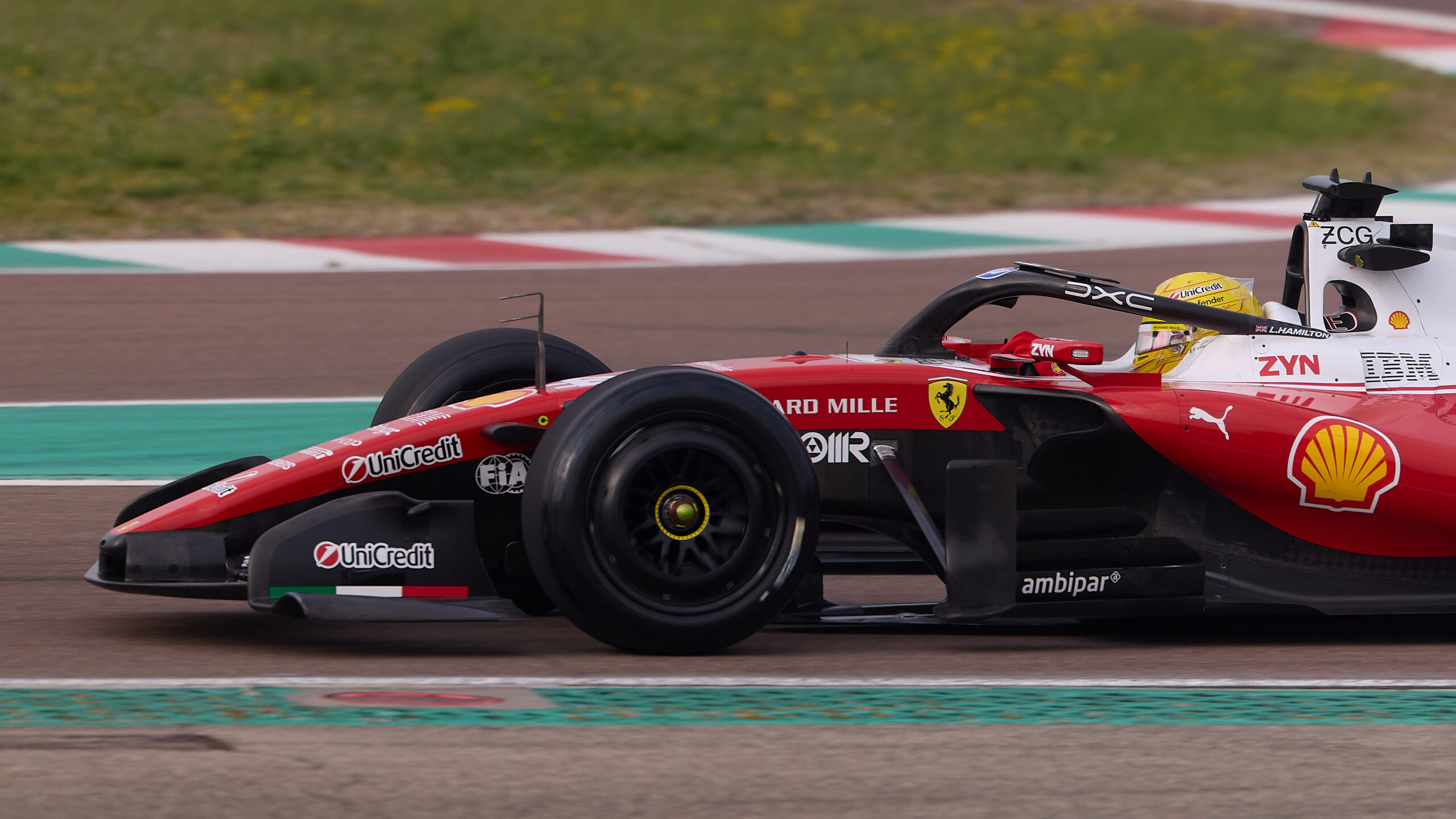
Formula 1 is adjusting its 2026 hybrid power unit regulations ahead of the Miami Grand Prix to address growing concerns about performance inconsistency and on-track safety. The changes reach after the first few races of the season revealed that the current energy deployment system creates significant speed differentials between cars, particularly when some drivers have depleted their battery charge while others still have full power available.
The FIA and Formula One Management have agreed to reduce the maximum amount of electrical energy that can be recovered and redeployed per lap from 8 megajoules to a lower threshold, effective immediately for the Miami event. This adjustment aims to mitigate the issue where drivers experience a sudden drop in electric motor assistance once the battery’s usable charge is exhausted, causing power output to halve and disrupting the rhythm of qualifying laps and race strategies.
Under the current 2026 regulations, each car is equipped with a significantly more powerful electric motor paired with a turbocharged V6 internal combustion engine. However, the battery storage capacity remains limited to 4 megajoules, meaning that once the stored energy is used, the system relies on real-time recovery through regenerative braking and a process known as “super clipping.” During super clipping, the internal combustion engine acts as a generator to charge the battery, but this diverts mechanical power away from the rear wheels, reducing propulsion efficiency.
This dynamic has led to situations where cars employing super clipping can be up to 70 km/h slower than those not harvesting energy, creating hazardous closing speeds, especially during overtaking maneuvers or when entering braking zones. The problem is most pronounced in qualifying, where the quest for a single fast lap is compromised by the need to manage energy deployment, preventing drivers from pushing flat-out throughout the lap.
According to technical directives issued by the FIA in late April 2026, the revised energy recovery limits are intended to flatten the performance curve across the field by reducing reliance on extreme energy harvesting tactics. The move follows extensive consultations with power unit manufacturers including Mercedes, Ferrari, Renault, and Honda, all of whom reported challenges in balancing drivability with the current energy flow constraints.
Independent analysis from motorsport engineering consultants confirms that the original 8 MJ per lap allowance allowed teams to deploy aggressive energy strategies that, while maximizing peak power, introduced unpredictability into lap times and increased the risk of collisions due to varying acceleration profiles. By capping recoverable energy, the FIA hopes to encourage more consistent leverage of the hybrid system and reduce the strategic gamble involved in timing energy deployment.
The battery’s 4 MJ capacity remains unchanged, meaning that the total energy available for deployment per lap cannot exceed what is stored, minus losses. However, by limiting the recharge rate, regulators aim to prevent teams from over-relying on super clipping during laps, which has been shown to reduce engine output by as much as 50 kW when active — enough to significantly affect straight-line speed.
Drivers have voiced mixed reactions to the evolving regulations. Several have noted that while the new rules may reduce peak qualifying performance, they could improve raceability by minimizing the performance gaps that have led to defensive driving and late-braking incidents. Others caution that reducing energy recovery might diminish the technological relevance of the hybrid system, which was introduced to align F1 with broader automotive industry trends toward electrification.
Despite these adjustments, the fundamental challenge remains: the current generation of power units lacks a front-axle electric motor, which would allow for energy recovery during braking on all four wheels. With only rear-wheel kinetic energy harvesting available, the amount of energy recoverable under braking is inherently limited, placing greater emphasis on super clipping to meet deployment demands.
Looking ahead, the FIA has indicated that further refinements to the hybrid system may be considered for the 2027 season, including potential increases in battery capacity or adjustments to motor generator unit (MGU-K) specifications. However, any such changes would require unanimous consent from the F1 Commission and adherence to the existing power unit development freeze, which locks in core architecture through 2026.
For now, the focus is on stabilizing the current package to ensure competitive racing and driver safety. The updated regulations will be in force starting with free practice at the Miami International Autodrome on May 1, 2026, with teams expected to adjust their energy management strategies accordingly in the days leading up to the race.
As Formula 1 continues to navigate the complexities of its most technologically advanced power unit era to date, the series remains committed to balancing innovation with spectacle. The Miami Grand Prix will serve as the first real-world test of whether these hybrid system tweaks can restore the predictability and excitement that fans and competitors alike have come to expect from the sport’s premier qualifying and racing sessions.
For ongoing updates on technical regulations and race developments, fans can refer to the FIA’s official website and the Formula 1 website, both of which provide real-time access to sporting and technical bulletins.
What do you reckon of these changes to F1’s hybrid system? Share your thoughts in the comments below and join the conversation on social media using #F1Tech.