
In recent weeks, a wave of social media posts and viral messages has claimed that Spain is moving toward a sweeping overhaul of its educational dining halls, allegedly banning pork and replacing it with mandatory halal menus. For those unfamiliar with the complexities of Spanish regional governance and dietary laws, these claims can appear alarming, suggesting a fundamental shift in the country’s cultural and culinary identity within its public schools.
As an editor who has spent over a decade covering the intersection of human rights and geopolitics across Europe, I have seen how dietary choices often become proxies for deeper cultural anxieties. In the case of Spain, the reality is far more nuanced than the “ban” narrative suggests. There is no national mandate banning pork in Spanish schools, nor is there a blanket requirement to replace traditional menus with halal alternatives.
What is actually occurring is a tension between two competing forces: the push for dietary inclusivity to accommodate a diversifying student population and a political counter-movement that frames such inclusivity as an erasure of national heritage. To understand the truth behind the halal menus in Spanish schools controversy, one must look past the headlines and into the specific local administrative decisions and the broader legal framework of the European Union.
The confusion largely stems from a misunderstanding of how “dietary alternatives” differ from “menu replacements.” In Spain, as in many EU member states, schools are encouraged to provide options for students with allergies, medical restrictions, or religious requirements. This is not a replacement of the standard menu, but an addition to it.
The Reality of Dietary Inclusivity in Spanish Canteens
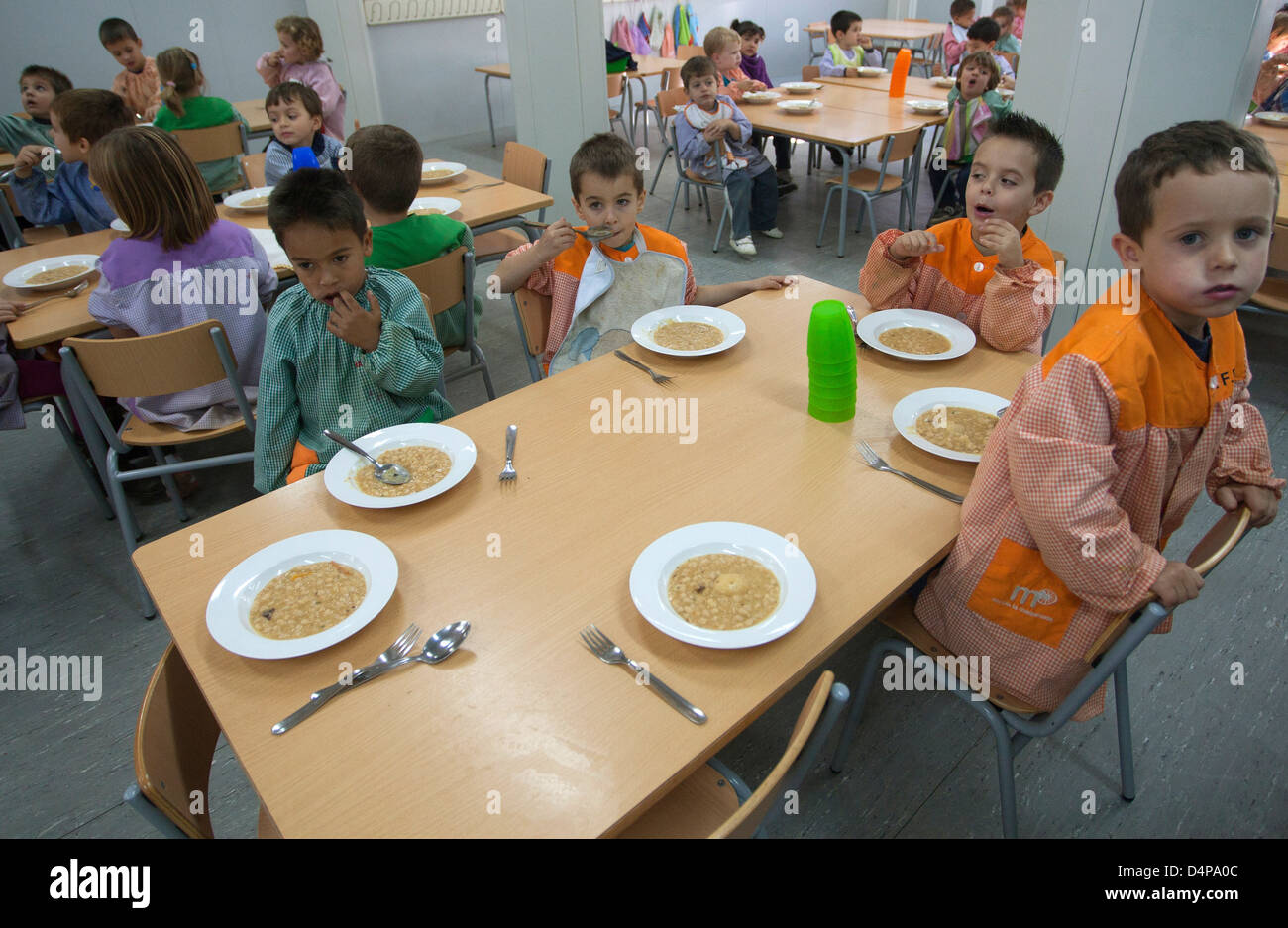
Across Spain, school canteens generally operate on a standardized menu designed to meet national nutritional guidelines. However, the Spanish educational system allows for “special menus” (menús especiales). These are tailored options provided to students who cannot eat the standard fare due to celiac disease, lactose intolerance, vegetarianism, or religious beliefs, such as Islam or Judaism.
When a family requests a halal option, the school does not remove pork from the menu for all students. Instead, the specific student is provided with a meal that adheres to halal standards—typically meaning meat slaughtered according to Islamic law and the total absence of pork products in that specific portion. For many students, if a certified halal meat supplier is unavailable, schools often provide pescatarian or vegetarian alternatives to ensure the student is fed while respecting their faith.
This practice of dietary accommodation is a standard administrative procedure intended to ensure that all children, regardless of their background, have access to nutrition during the school day. It’s a matter of inclusivity, not a legislative ban on traditional Spanish foods.
The Ceuta Case: Local Context vs. National Policy
Much of the misinformation regarding a “pork ban” originates from reports centered on Ceuta, a Spanish autonomous city located on the north coast of Africa. Ceuta is unique because it possesses a significantly higher Muslim population compared to the Spanish mainland.
In Ceuta, local administrative bodies have occasionally adjusted school menus to better reflect the demographics of the student body. In some instances, local officials have moved to reduce or remove pork from certain school menus to avoid waste and better serve the majority population. Because these decisions are made at the local or municipal level, they do not represent a national policy. However, when these local adjustments are reported without context, they are often amplified on social media as evidence of a nationwide “Islamicization” of the Spanish school system.
It is critical to distinguish between a municipal decision in a North African enclave and a national decree from Madrid. The Spanish Ministry of Education has not issued any directive banning pork in schools across the Kingdom of Spain.
The Political Dimension: Halal Food as a Culture War
The debate over school meals has become a flashpoint in Spain’s broader political landscape. Far-right political entities, most notably the party Vox, have seized upon the provision of halal options to frame a narrative of “cultural surrender.” By characterizing dietary accommodations as a “threat to national identity,” these groups have successfully turned school lunch menus into a symbol of a larger culture war.
This political framing often ignores the legal obligations of the state to protect religious freedom and the right to education without discrimination. Under the Spanish Constitution and European human rights standards, providing reasonable accommodations for religious dietary needs is generally viewed as a way to promote social cohesion rather than undermine national tradition.
The tension arises when “accommodation” is perceived as “imposition.” While providing a halal alternative for a Muslim student is an accommodation, the claim that the general population is being forced to eat halal food is an unfounded exaggeration used for political leverage.
How School Menus are Managed: A Breakdown
To provide clarity for parents and educators, it is helpful to understand the typical process for managing dietary requirements in Spanish public schools:
- Standard Menu: The baseline menu available to all students, which typically includes traditional Spanish ingredients, including pork.
- Request Process: Parents must formally request a “special menu” for their child, providing documentation for allergies or stating religious/ethical requirements.
- Implementation: The school kitchen prepares a separate portion for the requesting student. This may be a halal-certified meat dish, a fish-based dish, or a vegetarian option.
- Cost: In most public systems, these alternatives are provided at the same cost as the standard menu to ensure equity.
This system ensures that the majority of students continue to eat the traditional menu while a minority receives the specific nutrition they require. The “ban” narrative fails because it assumes the standard menu is being deleted, when in fact, the “special menu” is simply being expanded.
Key Takeaways for Readers
To summarize the facts regarding the claims of pork bans in Spanish schools:

- No National Ban: There is no law or national decree banning pork in Spanish school canteens.
- Accommodation, Not Replacement: Halal options are provided as alternatives for students who request them, not as a replacement for the general student body.
- Local Variance: Changes in cities like Ceuta are based on local demographics and do not reflect national policy.
- Political Framing: Much of the online alarm is driven by political groups using dietary issues to spark debates over national identity.
What Happens Next?
As Spain continues to navigate its demographic shifts, the debate over inclusivity in public institutions is likely to persist. While there are no scheduled legislative changes to “ban” traditional foods, the Ministry of Education and regional health authorities periodically review nutritional guidelines to ensure they meet modern health and inclusivity standards.
The next major checkpoint for these policies typically occurs during the annual review of school nutrition standards, where regional governments update their procurement guidelines for the upcoming academic year. We expect these updates to continue focusing on reducing sugar and processed fats, while maintaining the existing framework for dietary accommodations.
Do you believe school menus should be standardized, or should they adapt to the religious and cultural needs of the students? Share your thoughts in the comments below or share this article to help clear up the misinformation.
Worth a look