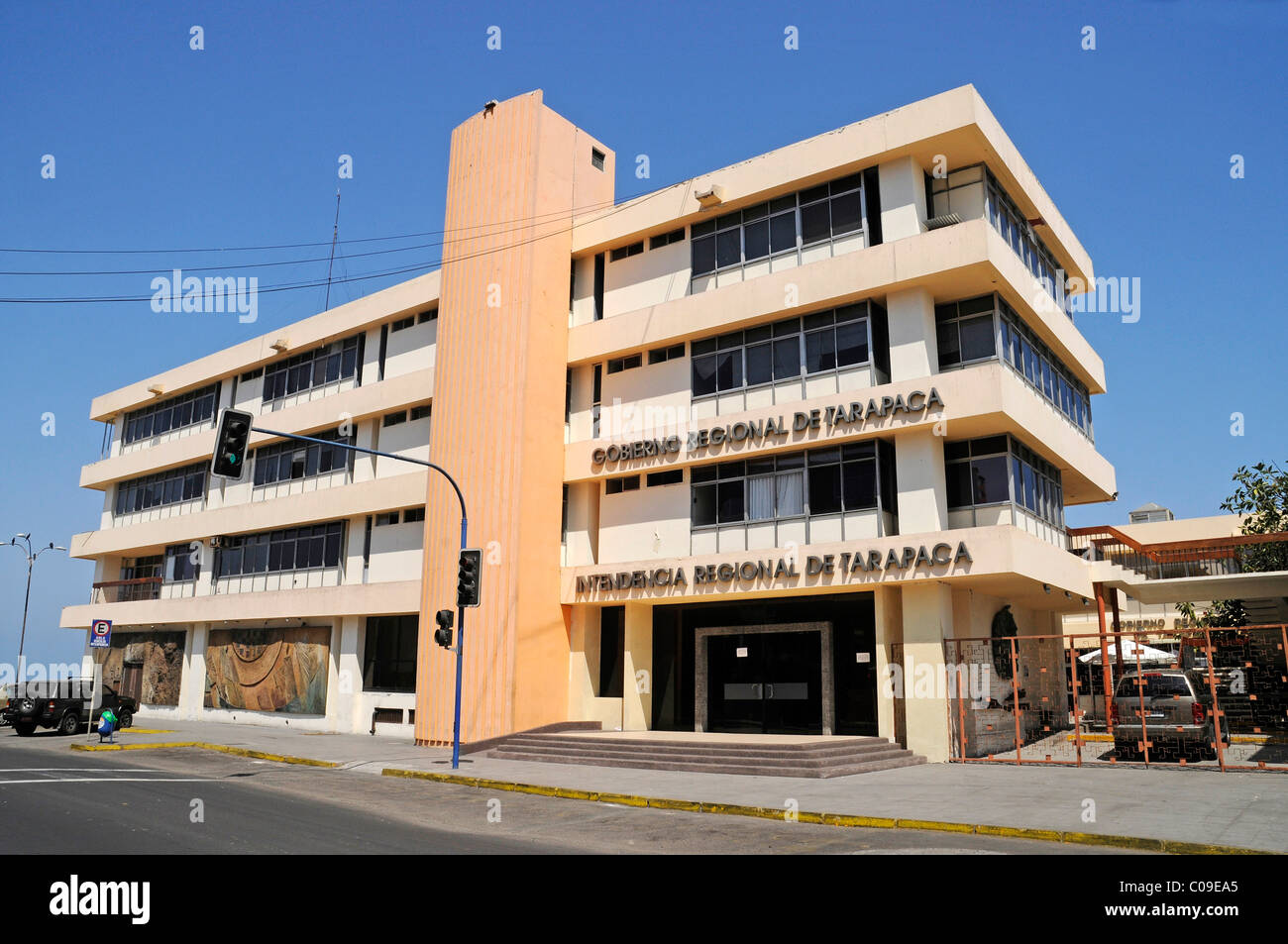
The Regional Government of Tarapacá has approved a significant financial investment exceeding 7 billion Chilean pesos (CLP) for the construction of the new Regional Archive of Tarapacá. Located in Alto Hospicio, this infrastructure project is designed to centralize and safeguard the region’s historical and administrative memory, addressing a long-standing need for modernized document preservation in northern Chile.
The project represents a strategic shift toward the institutionalization of regional heritage. By establishing a dedicated facility in Alto Hospicio, the regional administration aims to move beyond makeshift storage solutions and implement a professionalized system for the conservation of public records. This move is expected to streamline administrative processes and provide researchers, legal professionals, and citizens with more reliable access to essential documentation.
From an economic and administrative perspective, the construction of the new Regional Archive of Tarapacá is more than a cultural endeavor; it is an investment in legal certainty. The facility will house critical records, including those from the Conservador de Bienes Raíces (Real Estate Registrar) for Arica, Iquique, and Pozo Almonte. In a region where land tenure and property rights are fundamental to economic development and investment, the physical integrity and digital accessibility of these archives are paramount.
As the project moves from the approval phase to execution, the focus shifts to the technical specifications of the site. The design for the new archive includes specialized depositories engineered to protect documents from the harsh climatic conditions of the Atacama region, ensuring that fragile paper records are preserved for future generations.
Strategic Infrastructure and Funding
The allocation of over 7 billion Chilean pesos by the regional government underscores the priority placed on institutional modernization. This funding is intended to cover not only the physical construction of the building but also the implementation of specialized storage technology and climate control systems necessary for archival standards.

The decision to locate the archive in Alto Hospicio is part of a broader urban development strategy for the commune, aiming to distribute institutional services and infrastructure across the region rather than concentrating them solely in the coastal hub of Iquique. This decentralization is intended to foster local employment during the construction phase and create a permanent institutional presence in the area.
The project’s scope involves the integration of various fragmented archives. Currently, many of the region’s historical documents are scattered across different municipal and provincial offices. By consolidating these into a single, state-of-the-art facility, the government reduces the risk of loss, theft, or degradation due to poor storage conditions.
Preserving Legal and Property Records
A critical component of the new archive is its role in housing the records of the Conservador de Bienes Raíces. In the Chilean legal system, the Conservador de Bienes Raíces is the official entity responsible for the registration of property titles and mortgages. The inclusion of archives from Arica, Iquique, and Pozo Almonte into a centralized, secure facility is a vital step in protecting the legal framework of regional ownership.
The degradation of physical property records can lead to protracted legal disputes and hinder the transfer of land for industrial or residential development. By investing in a facility that meets international archival standards, the Tarapacá region is effectively mitigating the risk of “administrative amnesia,” where the loss of original documents creates bottlenecks in the judicial system and the real estate market.
the project is expected to facilitate the transition toward digital transformation. While the physical building provides the necessary security for original documents, the centralized nature of the new archive will allow for a more systematic digitization process. This will enable the public to access records remotely, reducing the need for physical travel to Alto Hospicio and accelerating the pace of business and legal transactions.
Impact on Regional Heritage and Research
Beyond the legal and administrative utility, the Regional Archive of Tarapacá will serve as a cornerstone for academic research and cultural identity. The Tarapacá region has a complex history, marked by the saltpeter boom, diverse migrations, and evolving political boundaries. The preservation of these records allows historians and sociologists to reconstruct the regional narrative with precision.
The new facility is designed to be more than a warehouse; it is envisioned as a center for the study of regional memory. By providing a controlled environment for the consultation of documents, the archive will support students and scholars from across Chile and the international community, potentially increasing the region’s profile as a center for historical research.
This investment aligns with broader national goals in Chile to strengthen regional autonomy and the preservation of local history. By empowering the Regional Government to manage and protect its own archives, the state ensures that the specific nuances of the northern frontier’s history are not overshadowed by centralized narratives from Santiago.
Key Project Details
| Feature | Detail |
|---|---|
| Total Investment | Over 7 billion CLP |
| Location | Alto Hospicio, Tarapacá Region |
| Primary Function | Centralized preservation of regional and legal archives |
| Key Integrated Records | Conservador de Bienes Raíces (Arica, Iquique, Pozo Almonte) |
| Funding Source | Regional Government of Tarapacá (GORE) |
Looking Ahead: Implementation and Next Steps
With the funding approved, the project now enters the procurement and construction phase. The regional government is expected to initiate the bidding process for the construction contracts, ensuring that the chosen firm can meet the rigorous technical requirements for archival infrastructure, such as fire suppression systems and humidity controls.
Stakeholders will be monitoring the timeline for the relocation of existing documents. This phase is often the most delicate part of archival projects, as it requires the careful transport of fragile materials from various sites in Arica, Iquique, and Pozo Almonte to the new facility in Alto Hospicio.
The successful completion of the Regional Archive of Tarapacá will mark a milestone in the region’s administrative maturity. By securing the documents of the past, the region is building a more stable and transparent foundation for its future economic and social development.
The next confirmed checkpoint for the project will be the publication of the official tender for the construction phase, which will outline the exact start date and expected completion timeline for the facility.
We invite readers to share their thoughts on the importance of regional archival preservation in the comments below or share this article with those interested in Chilean infrastructure and cultural heritage.
Worth a look