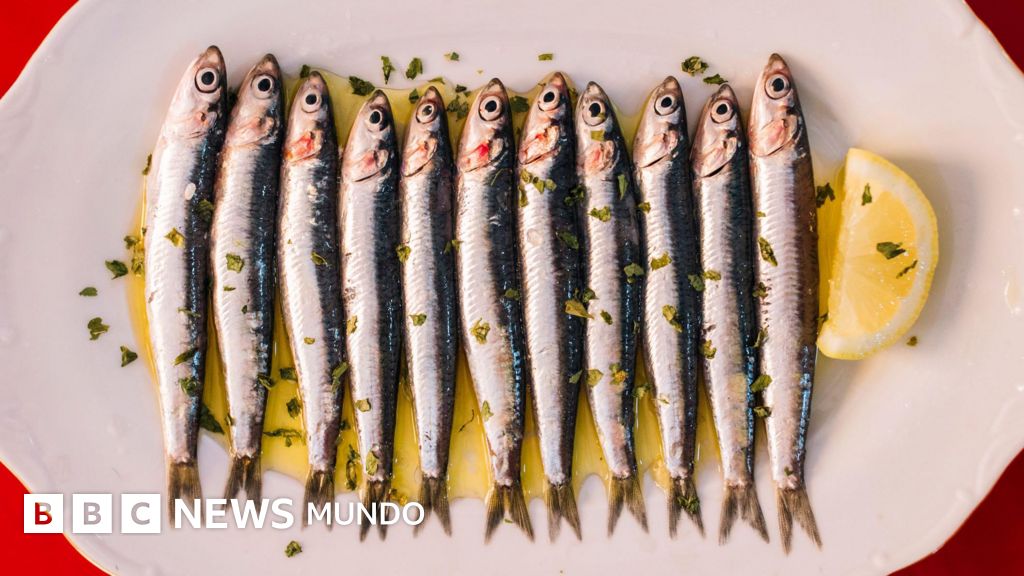
In the pursuit of optimal health, there is a common misconception that “superfoods” must be exotic, expensive, or sourced from remote corners of the globe. However, some of the most potent nutritional tools are often the most overlooked items sitting on a standard supermarket shelf. Among these, the humble sardine stands out as a remarkably affordable option that delivers a dense concentration of essential nutrients.
For those seeking to improve their longevity and daily vitality, incorporating sardines into a regular diet offers a strategic advantage. Nutritionists increasingly categorize these small fish as a “superfood” not only because of their nutrient density but because of their accessibility. Whether fresh or canned, sardines provide a pragmatic solution for maintaining a high-nutrient diet without the financial burden often associated with health-focused eating.
The health benefits of sardines extend far beyond basic sustenance, offering critical support for the brain, the cardiovascular system and skeletal integrity. By analyzing the synergy of their components, it becomes clear that these fish provide a comprehensive nutritional profile that is difficult to replicate with isolated supplements.
The Omega-3 Powerhouse: Brain, Heart, and Vision
One of the most significant attributes of sardines is their high concentration of omega-3 fatty acids. According to the National Institutes of Health (NIH), a single can of sardines packed in water can be sufficient to meet the total daily requirements for omega-3s. These essential fats are not merely dietary additions; they are fundamental to the structural and functional integrity of several key bodily systems.
Omega-3s are critical for the proper functioning of the brain and the maintenance of vision. They play a vital role in supporting heart health and are well-known for their ability to reduce systemic inflammation. For individuals who struggle to consume fresh fatty fish several times a week, canned sardines offer a stable and cost-effective alternative to ensure these daily requirements are met.
Beyond Omega-3s: The Synergistic Cardioprotective Effect
While omega-3s often dominate the conversation regarding fish oil, experts warn that these fatty acids are only one part of the nutritional equation. A 2023 study highlighted that the true value of sardines lies in the synergy of multiple nutrients acting together, arguing that whole-food consumption is superior to relying solely on omega-3 supplements.

Sardines contain a complex array of cardioprotective components, including:
- Essential Minerals: Calcium, potassium, magnesium, zinc, and iron.
- Amino Acids: Taurine and arginine.
These nutrients work in tandem to modulate inflammation and combat oxidative stress within the cardiovascular system. Specifically, this synergy is essential for the proper function of cardiomyocytes—the muscular cells of the heart—and for maintaining healthy hemodynamics, which refers to the forces involved in blood circulation throughout the body.
A Superior Source of Calcium and Bone Support
Sardines are an exceptional source of calcium, particularly when consumed with their soft, edible bones. This makes them a powerful alternative to traditional dairy sources for those seeking to maintain bone density and skeletal health.
When comparing nutrient density, a single can of sardines can provide between 330 and 350 mg of calcium. To put this into perspective, a standard glass of milk typically provides approximately 300 mg of calcium. In addition to calcium, sardines provide a meaningful amount of magnesium, typically ranging from 30 to 45 mg per can, which is further essential for bone mineralization and muscle function.
Practical Integration into a Modern Diet
The primary barrier to healthy eating for many is often time and cost. Sardines address both obstacles. Because they are widely available in canned form, they require no preparation time, making them an ideal option for those with demanding schedules who still wish to prioritize their cardiovascular health.
To maximize the health benefits, consumers should consider the packing medium. While sardines in water are excellent for minimizing added calories, those packed in high-quality oils can provide additional healthy fats. Regardless of the variety, the core nutrients—the omega-3s, the minerals, and the amino acids—remain intact, providing a reliable foundation for a heart-healthy diet.
Integrating these fish into a weekly routine—perhaps two to three times a week—can significantly shift a person’s nutritional trajectory, providing the body with the raw materials needed to fight inflammation and support cognitive function.
Key Nutritional Takeaways
- Omega-3 Efficiency: One can of sardines in water can satisfy 100% of daily omega-3 needs per NIH guidelines.
- Cardiovascular Synergy: The combination of potassium, magnesium, taurine, and arginine supports cardiomyocytes and hemodynamics.
- Bone Health: At 330–350 mg of calcium per can, sardines exceed the calcium content of a typical glass of milk (300 mg).
- Anti-Inflammatory: The nutrient profile specifically targets the reduction of oxidative stress and systemic inflammation.
As we continue to navigate a landscape of expensive “wellness” trends, returning to simple, nutrient-dense whole foods remains the most effective strategy for public health. The evidence supporting the use of sardines as a cardioprotective superfood is clear: they provide a comprehensive suite of nutrients that support the heart, brain, and bones at a fraction of the cost of specialized supplements.
Stay tuned for our upcoming series on affordable nutrition and preventative medicine, where we will explore other accessible superfoods that can transform your long-term health outcomes.
Do you incorporate sardines into your weekly meal plan? Share your favorite ways to prepare them in the comments below or share this guide with someone looking to improve their heart health on a budget.