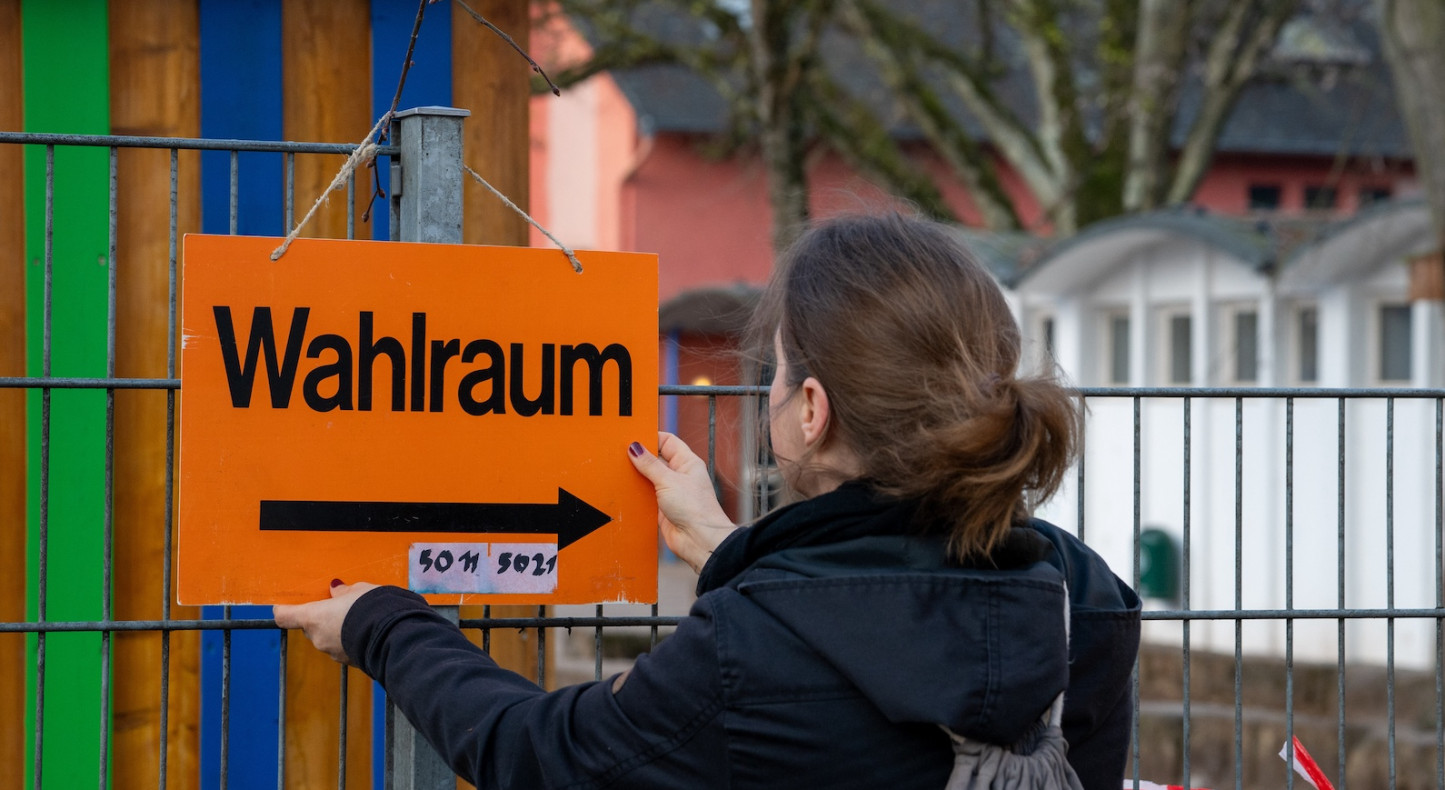
In the wake of the state elections in Rheinland-Pfalz, a sophisticated wave of digital disinformation has emerged, attempting to undermine public trust in the democratic process. A YouTube channel and accompanying TikTok videos have gained significant traction by claiming that the election results were invalid and that new elections must be held. However, these claims are entirely baseless, serving as a textbook example of a “click-harvesting” scheme designed to manipulate social media algorithms for views and engagement.
The disinformation campaign primarily centers around the YouTube channel “Servus Deutschland,” which published content asserting that the results of the Landtagswahl (state parliament election) held on March 22, 2026, were void. This narrative was further amplified via TikTok, where short-form videos echoed the claim of invalidity to attract a younger, more mobile-centric audience. Despite the dramatic headlines, no official body, including the state election commissioner or the constitutional court, has issued any such ruling.
This incident highlights a recurring pattern in modern digital warfare where political instability is manufactured to drive traffic to specific platforms. By leveraging the high-emotion nature of election results, lousy actors can bypass critical thinking and trigger rapid sharing, effectively using the platforms’ own recommendation engines to spread falsehoods before official fact-checks can catch up.
As a technology editor, I have observed this specific “known trick” evolve over the last few years. It is no longer just about political persuasion; it is about the monetization of chaos. When a channel claims a democratic pillar has collapsed, it creates an urgent “need to understand,” driving users to click, subscribe and engage, which in turn signals to the algorithm that the content is “valuable,” further accelerating its reach.
The Anatomy of the “Click-Harvesting” Strategy
The strategy employed by channels like “Servus Deutschland” is not an isolated event but part of a broader trend of algorithmic manipulation. This specific “Masche” (trick) follows a predictable lifecycle: the creation of a high-stakes, shocking headline, the use of authoritative-sounding but vague language, and the strategic deployment across multiple platforms to create an illusion of consensus.
In this instance, the claim that the Rheinland-Pfalz election results were invalid was designed to trigger an immediate emotional response. For users already skeptical of government institutions, such a claim confirms a pre-existing bias, making them more likely to share the content without verifying it against official sources. This is known as confirmation bias, and it is the primary fuel for disinformation campaigns.
From a technical perspective, the cross-platform synchronization—using YouTube for long-form “analysis” and TikTok for rapid-fire alerts—is a deliberate tactic to capture different demographic segments. TikTok’s “For You” page (FYP) is particularly susceptible to this, as its algorithm prioritizes high engagement rates over factual accuracy, allowing a sensationalist video to go viral in a matter of hours.
Algorithmic Amplification and the “Truth Gap”
One of the most dangerous aspects of this campaign is the “truth gap”—the window of time between the publication of a lie and the publication of a professional fact-check. During this window, the disinformation often reaches its peak audience. Because the claim of “invalid elections” is so extreme, it generates more curiosity and engagement than a dry, official statement confirming that the elections were, in fact, valid.
The official results of the Rheinland-Pfalz 2026 elections are archived and verified, providing a clear record of the seat distribution and vote tallies. When users rely on social media feeds rather than official archives, they are effectively outsourcing their reality to an algorithm that prioritizes watch time over truth.
the use of “Servus Deutschland” as a hub for this content suggests a coordinated effort to build a brand around “alternative truths.” By consistently posting content that challenges official narratives, these channels create a loyal community of followers who view traditional news outlets as “mainstream media” (MSM) and distrust them, making the audience even more immune to subsequent fact-checking efforts.
The Role of Short-Form Video in Rapid Misinformation
TikTok has become a primary vector for this type of disinformation due to its format. A 15-to-60-second video can deliver a shocking claim with high-energy music and flashing text, leaving little room for nuance or evidence. This “snackable” content is designed for rapid consumption and immediate reaction, which is the opposite of the slow, deliberative process required for verifying election law.

In the RLP case, the TikTok videos acted as “top-of-funnel” marketing, drawing users in with a headline and then directing them to more detailed (though equally false) content on YouTube. This multi-stage funnel is a sophisticated way to move a casual viewer into a deeper ecosystem of disinformation.
The danger is compounded by the “echo chamber” effect. Once a user engages with one video claiming election fraud, the algorithm will serve them more content with similar themes. Over time, the user’s feed becomes a curated reality where everyone seems to be talking about “invalid results,” creating a false sense of widespread agreement.
Identifying the Red Flags of Election Disinformation
To combat these tactics, users must be able to recognize the hallmarks of click-driven disinformation. While these campaigns often look professional, they typically lack several key elements of credible journalism:
- Lack of Primary Sources: They rarely link to official court documents, signed decrees, or named officials from the state election office.
- Urgency and Alarmism: The use of words like “URGENT,” “BREAKING,” or “THEY DON’T WANT YOU TO KNOW” is a classic sign of emotional manipulation.
- Circular Reporting: The “evidence” provided often consists of other social media posts or videos from the same network of channels, rather than independent verification.
- Call to Action: A heavy emphasis on “subscribing” or “sharing before this gets deleted” is used to exploit the fear of censorship to increase reach.
Protecting Election Integrity in the Digital Age
The attempt to delegitimize the Rheinland-Pfalz election results is a reminder that the threat to democracy is no longer just about who wins the vote, but about whether the public believes the vote happened at all. When disinformation channels successfully cast doubt on the validity of an election, they erode the foundational trust required for a functioning society.
Addressing this requires a three-pronged approach: platform accountability, government transparency, and digital literacy. Platforms like YouTube and TikTok must improve their detection of coordinated disinformation campaigns, especially during sensitive electoral windows. At the same time, government bodies must provide easily accessible, transparent, and real-time data to abandon no room for speculation.

However, the most effective defense remains the individual user. Digital literacy—the ability to question the source, verify the claim, and understand the incentive of the creator—is the only permanent solution to the problem of click-harvesting.
| Feature | Official Reporting (e.g., Tagesschau, State Office) | Disinformation Channels (e.g., “Servus Deutschland”) |
|---|---|---|
| Source of Truth | Verified vote tallies, court rulings, official decrees | Anonymous “insiders,” other social media posts |
| Tone | Neutral, factual, descriptive | Alarmist, urgent, emotionally charged |
| Goal | Public information and record-keeping | Engagement, views, and channel growth |
| Verification | Cross-referenced with multiple official bodies | Circular references within the same network |
Where to Locate Verified Election Information
To avoid falling victim to digital hoaxes, citizens should always prioritize official channels for election-related data. In Germany, the Federal Election Commissioner and the respective state election offices provide the only legally binding results. For journalistic analysis, high-authority public broadcasters like ZDF and ARD offer verified reporting based on direct access to election officials.
By ignoring the siren song of “breaking” social media claims and returning to primary sources, the public can neutralize the power of those who seek to profit from the destabilization of democratic norms.
The next official checkpoint for the RLP administration will be the formal certification of all remaining administrative appeals, which is a standard part of the post-election process and does not indicate any invalidity of the overall result. We will continue to monitor the digital landscape for further attempts to manipulate election narratives.
Do you think social media platforms are doing enough to stop election disinformation? Share your thoughts in the comments below or share this article to help others spot these tactics.