
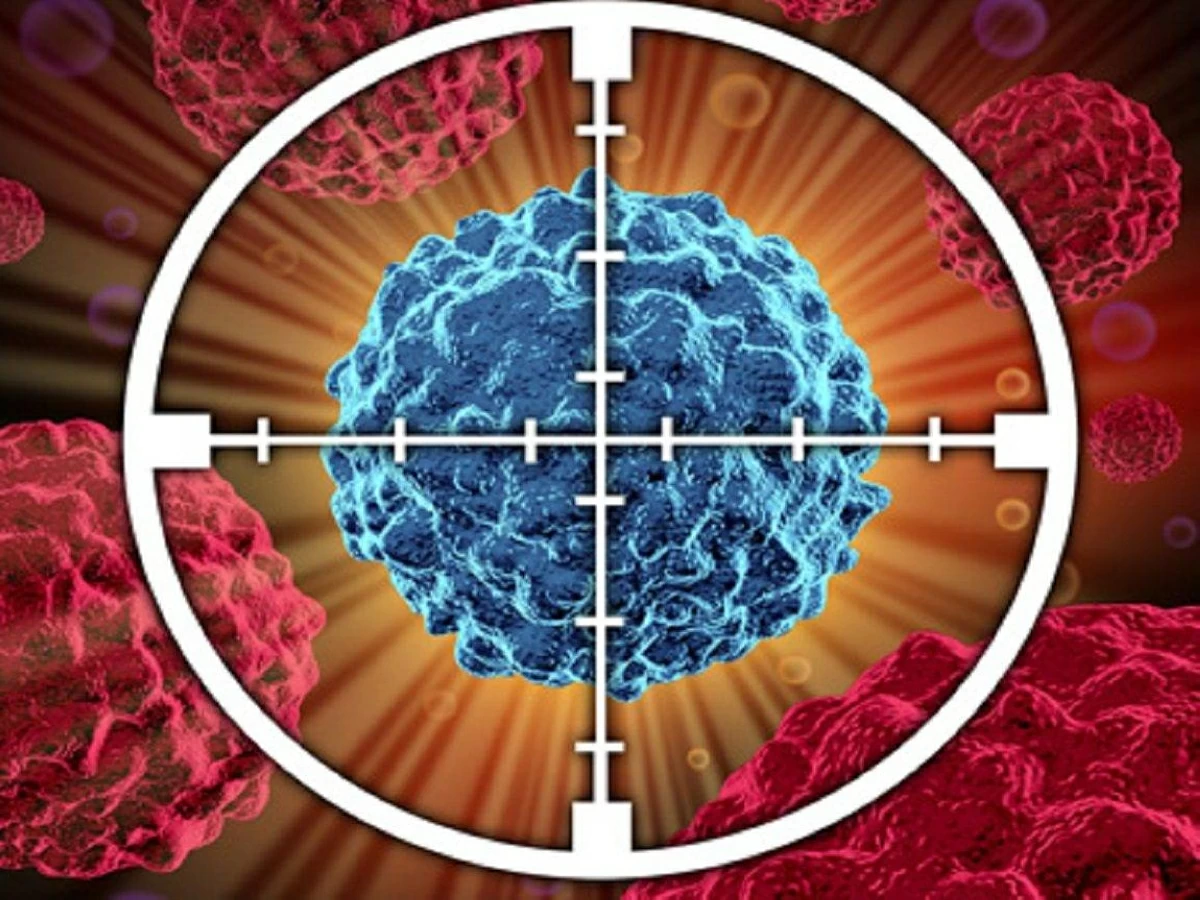
For decades, the fight against cancer was defined by a “scorched earth” approach. Traditional chemotherapy, even as effective, acted like a sledgehammer—striking rapidly dividing cells indiscriminately, which often left patients grappling with debilitating side effects as healthy tissues were caught in the crossfire. The arrival of targeted therapy promised a paradigm shift, offering a “sniper” approach that could identify and neutralize specific molecular drivers of a tumor while sparing the rest of the body.
However, as the medical community has integrated these precision medicines into standard care, a sobering reality has emerged: cancer is an evolutionary master. For many patients, the initial success of a targeted drug is followed by a period of stability, only for the tumor to eventually find a way around the blockade. This phenomenon, known as acquired resistance, remains one of the most significant hurdles in modern oncology.
Understanding why some cancers stop responding to targeted therapies is not merely an academic exercise. It’s the frontline of current cancer research. When a tumor develops resistance, it isn’t just surviving the drug—it is often evolving into a more aggressive form. For patients facing advanced-stage diagnoses, the transition from a responding tumor to a resistant one marks a critical juncture in their treatment journey.
As a physician and journalist, I have seen the profound hope that precision medicine brings, but I have too seen the frustration when those “magic bullets” stop working. The challenge now is to stay one step ahead of the cancer’s ability to adapt, moving from a single-target strategy to a more dynamic, multi-pronged approach to care.
The Mechanics of Precision: How Targeted Therapy Works
To understand why resistance happens, we must first understand the target. Most cancers are driven by mutations in specific genes that advise cells to grow and divide uncontrollably. Targeted therapies are designed to bind to these specific proteins or block the signals that fuel this growth. Unlike chemotherapy, which targets all dividing cells, these drugs focus on biomarkers—biological “flags” on the surface or inside of cancer cells.
In breast cancer, for example, a well-known target is the HER2 (Human Epidermal Growth Factor Receptor 2) protein. When this protein is overexpressed, it sends constant growth signals to the cell. Drugs designed to block HER2 can effectively shut down these signals, leading to significant tumor shrinkage and improved survival rates for patients with HER2-positive cancers. According to the National Cancer Institute, these targeted agents are often used in combination with other treatments to maximize the impact on the tumor.
Other targets include the PI3K/AKT/mTOR pathway, which regulates cell survival and metabolism and Cyclin-Dependent Kinases (CDK4/6), which control the cell cycle. By inhibiting these specific proteins, doctors can essentially “freeze” the cancer cells in place, preventing them from duplicating.
The Great Escape: Why Cancers Develop Resistance
The primary reason some cancers do not respond—or stop responding—to targeted therapy is the inherent genetic instability of tumor cells. Cancer cells do not remain static; they mutate rapidly. When a targeted drug blocks a specific pathway, it creates an evolutionary pressure. The cells that are killed off are the ones that relied solely on that pathway. The cells that survive are the ones that have a mutation allowing them to bypass the drug.
There are two main types of resistance: intrinsic and acquired.

- Intrinsic Resistance: This occurs when a tumor has a natural characteristic—such as a secondary mutation—that makes it unresponsive to the drug from the very beginning. In these cases, the “key” (the drug) simply does not fit the “lock” (the protein target).
- Acquired Resistance: This is more common and often more frustrating. The patient responds well initially, but over time, the cancer evolves. It may mutate the target protein so the drug can no longer bind to it, or it may activate an entirely different signaling pathway to achieve the same goal of growth.
Imagine a city where the police block the main highway to stop a convoy. If the convoy is smart, it will simply find a side street or a dirt road to reach its destination. In oncology, this “side street” is a bypass mutation. For instance, a tumor might stop relying on the HER2 pathway and start overproducing another growth factor, effectively rendering the HER2-blocker useless.
The Challenge of Advanced Stages and Biomarkers
The struggle with resistance is most acute in Stage 4 cancers, where the disease has metastasized to other organs. In these advanced settings, the tumor population is often “heterogeneous,” meaning it consists of several different clones of cancer cells, each with slightly different mutations. While a targeted therapy might kill 90% of the tumor, the remaining 10% may be intrinsically resistant. Over time, these resistant cells multiply, and the cancer returns, now entirely immune to the original treatment.
This is why the role of biomarkers is so critical. A biomarker is a measurable indicator of a biological state. By testing a tumor’s genetic profile, oncologists can determine which drugs are most likely to perform. However, given that tumors change, a biopsy taken at the time of diagnosis may no longer be accurate two years later. This has led to the rise of “liquid biopsies,” which analyze circulating tumor DNA (ctDNA) in the blood to monitor how a tumor’s genetic makeup is shifting in real-time.
Breaking the Cycle: The Future of Overcoming Resistance
The medical community is not standing still. To counter the “escape” mechanisms of cancer, researchers are moving toward combination therapies. The logic is simple: if you block the main highway and all the known side streets simultaneously, the cancer has nowhere to travel.
Current strategies to overcome resistance include:
- Vertical Inhibition: Blocking multiple points within the same signaling pathway to ensure the signal is completely severed.
- Horizontal Inhibition: Blocking two or more different pathways that the cancer might use to grow.
- Next-Generation Inhibitors: Developing new drugs specifically designed to bind to the mutated versions of proteins that caused the initial resistance.
- Immunotherapy Integration: Using drugs that “unmask” the cancer cells, allowing the patient’s own immune system to recognize and destroy them, regardless of which growth pathway the tumor is using.
The goal is to move toward a truly personalized medicine model where treatment is not based on the organ where the cancer started (e.g., “breast cancer”), but on the specific molecular drivers present in that individual’s tumor at that specific moment. This requires a continuous loop of testing, treating, and re-testing.
Summary of Targeted Therapy vs. Resistance
| Feature | Targeted Therapy (Initial) | Resistant Cancer (Later) |
|---|---|---|
| Mechanism | Blocks specific growth proteins | Bypasses the blocked protein |
| Cell Impact | High specificity; spares healthy cells | Evolved mutations; often more aggressive |
| Patient Response | Rapid shrinkage or stability | Disease progression/growth |
| Clinical Strategy | Biomarker-driven selection | Combination therapy or new agents |
What This Means for Patients and Caregivers
For those currently navigating a cancer diagnosis, the prospect of resistance can be frightening. However, it is important to view the “failure” of a targeted therapy not as a dead end, but as a piece of critical data. When a drug stops working, it tells the medical team exactly how the cancer is evolving, which can point the way toward the next, more effective treatment.
Patients are encouraged to discuss “molecular profiling” and “re-biopsy” with their oncology teams if they notice a change in their response to treatment. Understanding the specific mutation driving the resistance is the only way to select the next targeted agent.
The transition from a single-drug approach to a dynamic, adaptive strategy is the hallmark of the next era of cancer care. While the “magic bullet” may not always work forever, the arsenal of available tools is expanding faster than ever before.
The next major milestone in this field will be the widespread adoption of real-time genomic monitoring, allowing doctors to switch therapies the moment a resistance mutation appears in the blood, often before the tumor even grows on a scan. We are moving toward a future where cancer is managed as a chronic condition through constant adaptation.
Do you or a loved one have experience with precision medicine or targeted therapies? We invite you to share your thoughts and questions in the comments below to help foster a community of informed support.