Fairfax County Land Sale Proposal Sparks Environmental Concerns
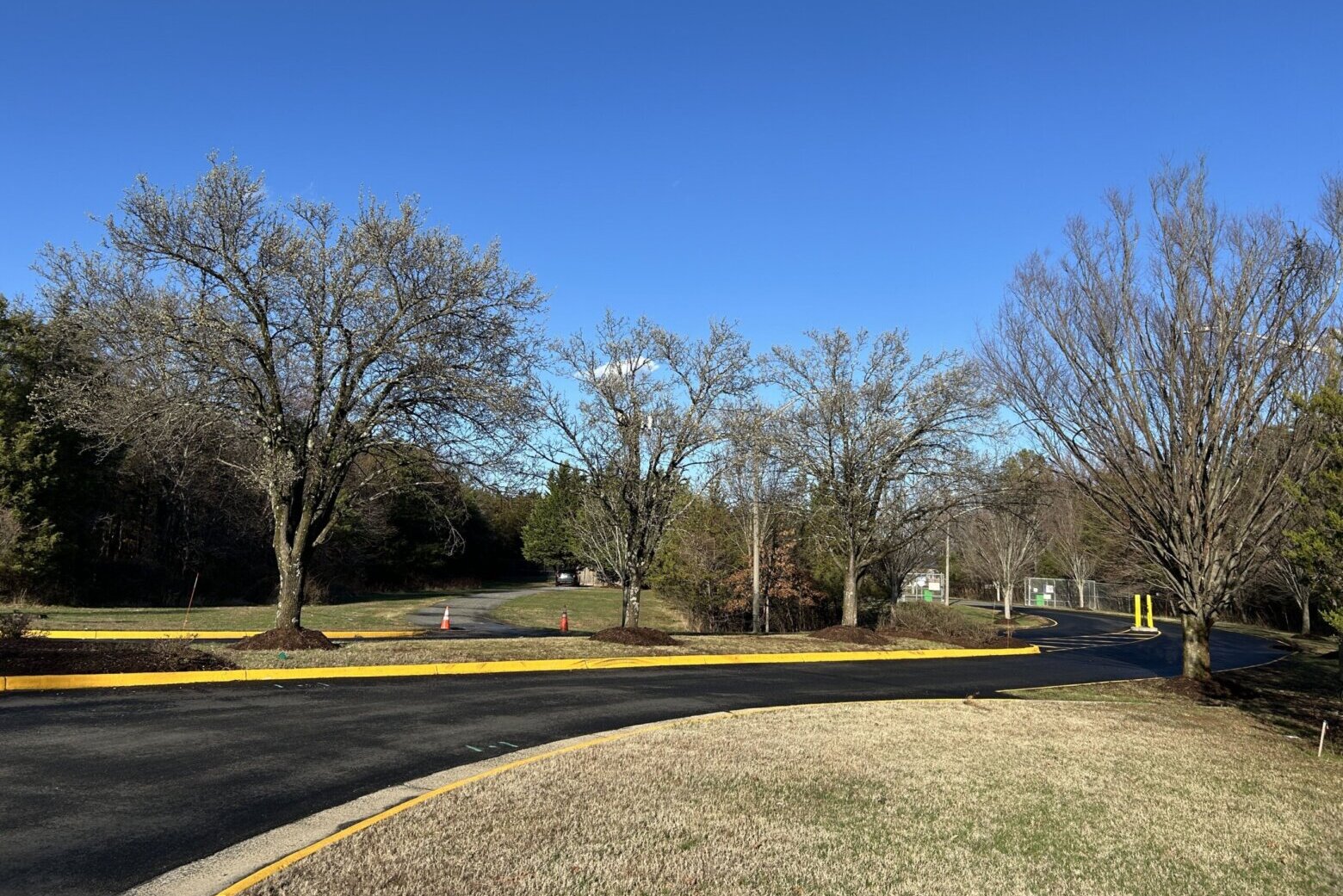
Chantilly, Virginia – A proposed land sale in Fairfax County is facing scrutiny from environmental groups who fear the 41.7-acre parcel could be developed into a data center. The potential sale, valued at $166.8 million to Starwood Capital Group, has raised questions about transparency, potential environmental impacts and the county’s long-term planning for land use. The land, currently part of the Fairfax County police training grounds, is located at 3721 Stonecroft Boulevard and includes a firearms range and driver training area, according to the county’s website. While county officials state the sale does not guarantee data center construction, advocacy groups remain skeptical, prompting a public hearing scheduled for March 17th.
The debate highlights a growing tension between economic development and environmental protection in Northern Virginia, a region rapidly becoming a hub for data centers. These facilities, which power the internet and cloud computing, require significant land and energy resources, raising concerns about their carbon footprint and impact on local communities. The proposed sale comes as Fairfax County seeks to modernize its police training facilities, with proceeds earmarked for a modern Criminal Justice Academy. However, critics argue that the county should prioritize a more comprehensive land-use plan that considers alternative options and community input.
The core of the concern revolves around the potential for increased industrial development and its cumulative effects on the surrounding environment and communities. Environmental advocates are pushing for greater transparency in the decision-making process and a thorough assessment of the potential health and environmental consequences of a data center on the site. The debate likewise touches on broader questions about Virginia’s energy policies and the need for sustainable data center practices.
Details of the Proposed Sale
According to a Fairfax County webpage detailing the possible sale, the county received an “unsolicited offer” for the land and subsequently contacted other potential buyers. Competing offers were submitted, and a third-party appraisal was conducted to ensure the $166.8 million offer from Starwood Capital Group represents fair market value. The county maintains that selling the land does not automatically approve its use for a data center, and that no residential or mixed-use development is anticipated for the location. However, this hasn’t quelled the concerns of environmental groups who suspect a data center is the likely outcome.
The county anticipates that the sale will generate new tax revenue, which will be allocated towards upgrading police training facilities and constructing a new Criminal Justice Academy. Construction of these new facilities is currently slated to begin in the summer of 2028, according to a potential county timeline. The proximity of the site to residential areas is also a point of contention. County officials state that the nearest homes are nearly 3,000 feet away, and the closest school is 1.3 miles distant. Fairfax County’s zoning ordinance mandates that data centers be at least 200 feet from the property line of any home or neighborhood.
Environmental Groups Voice Concerns
Several environmental organizations have united in their opposition to the potential sale, raising concerns about the lack of transparency and the potential for negative environmental and health impacts. Nature Forward, a Northern Virginia conservation advocacy group, expressed skepticism about the project’s alignment with the county’s climate goals. Renee Grebe, the organization’s Northern Virginia conservation advocate, stated, “If this project would aid us further our climate goals in Fairfax County, that would be great. But we know that just even a single project can set us back on all the goals that we have.”
The Chesapeake Climate Action Network has also weighed in, emphasizing the need for sustainable energy sources to power any potential data center. Ting Waymouth, the organization’s Northern Virginia organizer, argued that the county should explore the use of battery storage and limit reliance on fossil fuels. Waymouth also expressed concern over Virginia’s lack of requirements for non-carbon-emitting energy sources for data centers, stating that the county should strive to be a leader in this area. According to Waymouth, county officials responded that “Virginia does not require that.”
Ann Bennett, land use chair of the Sierra Club Great Falls Group, criticized the lack of a formal Request for Proposal (RFP) process for the land’s use. She argued that a public RFP would allow for broader community input and ensure a more transparent and equitable decision-making process. “There should really be a (Request for Proposal) process for the use of that land,” Bennett said. “If the county believes it should be selling it, the public should be able to weigh in. This represents, if not a sweetheart deal, definitely sweetheart access.”
Cumulative Impacts and Community Concerns
Beyond the immediate environmental impacts, advocates are also concerned about the cumulative effects of industrial development in the region. Grebe of Nature Forward highlighted the proximity of the proposed site to existing industrial areas in Loudoun County, raising concerns about the combined impact on local communities. “It’s appropriate for a data center, in terms of it’s really surrounded by other industrial use, except for that we do have a lot of communities that are also there, and so the cumulative impacts of this kind of industrial development and build-out so close to what is also industrial build-out from Loudoun County, it’s a concern,” she explained.
The debate over the land sale underscores the broader challenges facing Northern Virginia as it balances economic growth with environmental sustainability. The region’s attractiveness to data centers is driven by its proximity to major internet hubs, access to skilled labor, and relatively affordable land prices. However, this growth also puts a strain on the region’s infrastructure, energy resources, and natural environment. The increasing demand for data storage and processing is expected to continue, making it crucial for local governments to develop comprehensive land-use plans that prioritize sustainability and community well-being.
Key Takeaways
- A proposed land sale in Fairfax County is facing opposition from environmental groups who fear the site will be used for a data center.
- The sale, valued at $166.8 million, would transfer 41.7 acres of county-owned land to Starwood Capital Group.
- Concerns center on potential environmental impacts, lack of transparency, and the cumulative effects of industrial development in the region.
- A public hearing on the proposed sale is scheduled for March 17th, providing an opportunity for community input.
The Fairfax County Board of Supervisors is expected to consider the concerns raised by environmental groups and the community as it deliberates on the proposed land sale. The outcome of this decision will likely set a precedent for future land-use decisions in the region and could have significant implications for the balance between economic development and environmental protection. The public hearing on March 17th represents a critical opportunity for residents to voice their opinions and shape the future of land use in Fairfax County.
Readers are encouraged to attend the public hearing on March 17th and to contact their local Board of Supervisors representatives to express their views on the proposed land sale. Further information about the proposed sale, including the county’s FAQ, can be found on the Fairfax County website. Stay tuned to World Today Journal for continued coverage of this developing story.
Related reading