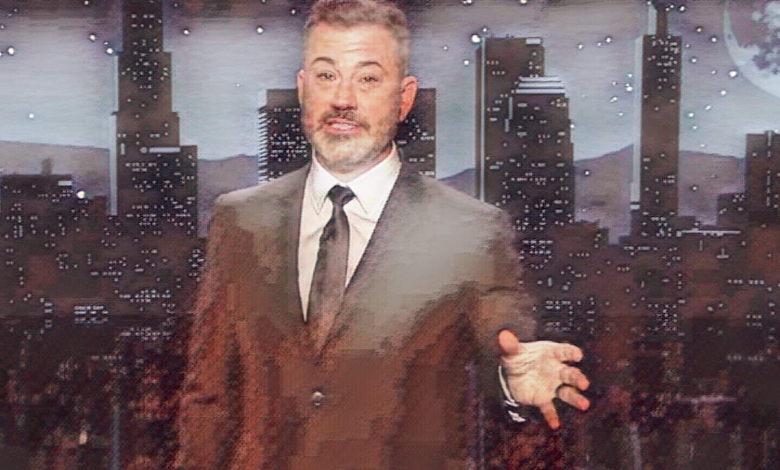
The line between late-night comedy and the dissemination of misinformation blurred this week, as hosts Jimmy Kimmel and Seth Meyers found themselves at the center of a controversy surrounding reporting on alleged lavish spending by Secretary of War Pete Hegseth. The incident highlights a growing concern: the reliance of these programs on mainstream media narratives, and the potential for those narratives to be based on incomplete or inaccurate information. The situation underscores the importance of rigorous fact-checking, even – and perhaps especially – in the realm of entertainment.
The initial reports, which quickly gained traction, claimed that Hegseth’s department had spent $15 million on steak purchases, sparking outrage and accusations of wasteful government spending. Both Kimmel and Meyers seized upon the story, incorporating it into their monologues as examples of alleged mismanagement within the Trump administration. Though, a closer examination of the situation, as pointed out by veteran reporter Salena Zito, reveals a more nuanced picture. The practice of providing high-quality meals to service members, often referred to as “surf and turf Fridays,” has been a long-standing tradition within the Pentagon, intended as a morale booster and a gesture of gratitude for their service.
The “Surf and Turf” Controversy: A Long-Standing Tradition
The uproar over Hegseth’s alleged spending quickly drew scrutiny from those familiar with military traditions. Zito’s reporting, and subsequent analysis, revealed that providing special meals to troops is not a new phenomenon. Presidents throughout history have authorized such gestures, particularly before significant deployments or as a thank-you for dedicated service. The Pentagon has routinely offered these meals, often on a weekly basis, for decades. This context was largely absent from the initial wave of coverage that fueled the late-night jokes.
As Zito noted, a simple search would have revealed the historical precedent for these meals, yet the initial reporting focused on framing the expenditure as an extravagance and a reflection of poor judgment on Hegseth’s part. This highlights a critical issue: the speed at which information – and misinformation – can spread in the current media landscape, and the pressure on late-night hosts to deliver timely, often reactive, commentary.
A shocking news story. Except it’s not. Not even remotely. https://t.co/NDeq4urX7u pic.twitter.com/cwYaCQdJ9Q
— ZitoSalena (@ZitoSalena) March 13, 2026
Beyond the Steak: Misinformation Surrounding Iran and the Oscars
The Hegseth incident wasn’t the only instance of potentially flawed information making its way into late-night monologues this week. Jimmy Kimmel also addressed a separate report suggesting that Iran had identified the Academy Awards ceremony as a potential target, allegedly in retaliation for “Operation Epic Fury.” This claim prompted heightened security measures at the Oscars, and Kimmel used it as fodder for a joke, quipping that President Trump “might even bomb us himself and blame it on you [Iran].”
However, the initial report proved to be inaccurate. ABC News subsequently issued a correction, admitting that the story was based on unverified information and had caused unnecessary alarm. The original report garnered 10 million views before the correction, which received a comparatively small 100,000 views, illustrating the speed and reach of misinformation. The White House, through Press Secretary Karoline Leavitt, publicly acknowledged the correction and emphasized the dangers of “Fake News.”
Thank you to ABC News for issuing a correction to this story.
The problem? Their original, misleading story received 10M views and panicked people across the country.
The correction only has 100K views.
Fake News is real and it is dangerous.
The Trump White House is… https://t.co/LLffikNaae
— Karoline Leavitt (@PressSec) March 13, 2026
Fact-Checking and the Responsibility of Late-Night Television
Kimmel has previously stated that his show employs a team of fact-checkers to ensure the accuracy of his jokes. However, the recent incidents raise questions about the effectiveness of these efforts. The show has faced criticism in the past for inaccuracies, including a previous instance where Kimmel suggested a connection between Charlie Kirk and an alleged assailant, a claim that was widely disputed. This pattern suggests a systemic issue with verification processes, or a willingness to prioritize comedic effect over factual accuracy.
The reliance on “Legacy Media” for material is a common practice among late-night hosts, but it also creates a vulnerability to the spread of misinformation. When initial reports are flawed, the resulting jokes and commentary can perpetuate those inaccuracies, potentially influencing public perception. The speed of the news cycle and the pressure to deliver timely content often leave little room for thorough investigation, and verification. What we have is particularly concerning in a political climate already characterized by polarization and distrust.
Operation Epic Fury and Geopolitical Context
“Operation Epic Fury,” referenced in Kimmel’s monologue, was a military operation initiated by the Trump administration in early 2026. According to Fox News, the operation aimed to deter Iranian aggression in the region. The operation involved a series of strategic deployments and military exercises, and was presented by the administration as a demonstration of strength and resolve. The claim that Iran specifically targeted the Oscars as retaliation for this operation, however, proved to be unsubstantiated.
The Broader Implications for Media Literacy
These incidents serve as a stark reminder of the importance of media literacy and critical thinking. Consumers of news and entertainment must be discerning, questioning the information they encounter and seeking out multiple sources to verify its accuracy. The responsibility also falls on media organizations, including late-night comedy shows, to prioritize fact-checking and transparency. While humor and satire are valuable forms of commentary, they should not come at the expense of truth and accuracy.
The events of this week demonstrate that even established media outlets can fall prey to misinformation, and that the consequences can be significant. The spread of false narratives can erode public trust, fuel political polarization, and even incite fear and panic. In an era of increasingly sophisticated disinformation campaigns, a commitment to rigorous journalism and responsible media consumption is more crucial than ever.
As of March 14, 2026, ABC News has issued a formal apology and is reviewing its internal procedures for verifying information before publication. The Pentagon has not released a statement specifically addressing the “surf and turf” controversy, but continues to maintain that providing special meals to service members is a long-standing practice. Readers are encouraged to stay informed by consulting reputable news sources and engaging in critical analysis of the information they encounter.
What are your thoughts on the responsibility of late-night hosts to verify information? Share your opinions in the comments below, and please share this article with your network to promote media literacy and responsible news consumption.
Worth a look