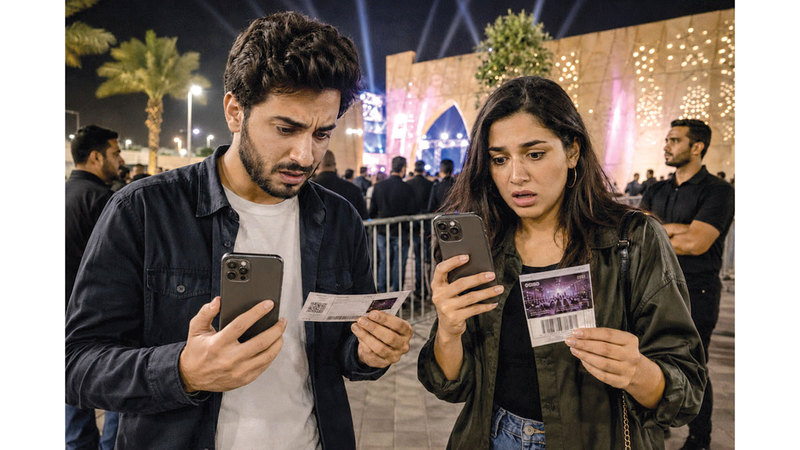
False digital advertising and unauthorized event listings are creating widespread frustration among arts and entertainment audiences, exploiting public enthusiasm for cultural events through fake social media campaigns and ticketing scams. Across the region, fans looking forward to upcoming concerts, theatrical performances, and community celebrations frequently encounter sophisticated online promotions for non-existent gatherings, designed to harvest personal data or siphon advance payments.
Cultural enthusiasts and event-goers increasingly find themselves targeted by digital fraud schemes that mimic legitimate promoters and ticketing agencies. According to regional consumer protection authorities and cybersecurity analysts, these fraudulent operations rely heavily on artificial urgency, heavily edited promotional videos, and stolen imagery from past concerts to project an air of authenticity before vanishing with ticket buyers’ funds.
The proliferation of these deceptive campaigns highlights growing vulnerabilities in digital ticketing ecosystems. Industry stakeholders note that fraudulent pages often duplicate branding elements from major concert venues and festival organizers, making it difficult for casual browsers to distinguish between genuine cultural programming and coordinated online deception.
How Fake Event Scams Target Cultural Audiences Online
Fraudsters typically deploy targeted social media advertisements promoting high-profile musical acts or theatrical premieres that have never been scheduled by the actual artists or management firms. These ads direct users to slick, unauthorized e-commerce portals where they can purchase tickets for major upcoming events. Once transactions are processed, buyers receive counterfeit digital passes or hear nothing further from the purported organizers.
Cybersecurity specialists point out that these schemes exploit emotional triggers, such as the fear of missing out on rare reunion tours or exclusive local performances. By manufacturing artificial demand through purchased engagement and bot-driven positive comments, scammers create a false consensus that encourages victims to bypass standard security checks and purchase tickets quickly.
Beyond direct financial losses through fraudulent ticket sales, victims often face secondary risks involving compromised credit card data and identity theft. Security agencies advise consumers to verify event listings directly through official artist websites, accredited box offices, and recognized municipal tourism portals before committing funds or sharing personal information.
Protecting Public Trust in Arts and Entertainment
Event organizers, venue managers, and digital platform moderators face mounting pressure to implement more stringent verification protocols for event creators and advertisers. Industry advocates argue that faster reporting mechanisms and automated detection tools are essential for intercepting fraudulent pages before they reach large audiences on mainstream social networks.
Consumer protection watchdogs recommend several practical steps for fans seeking to safely navigate the ticketing landscape. Checking the official social media channels of the performing artists, confirming venue calendars directly, and utilizing payment methods that offer fraud protection remain standard safeguards against deceptive promotions.
As digital monitoring efforts evolve, authorities continue to urge affected individuals to report suspicious ticketing links and unauthorized event advertisements to local consumer rights bodies or cybercrime reporting units.
Next Steps for Event Safety and Consumer Awareness
Regulatory agencies and digital safety coalitions plan to release updated guidance on identifying fraudulent entertainment listings during the upcoming quarter. Fans and cultural organizations are encouraged to monitor official government portals and consumer affairs announcements for further updates on combating digital ticketing fraud.
Share your thoughts on this story or join the discussion in the comments below.
Related reading