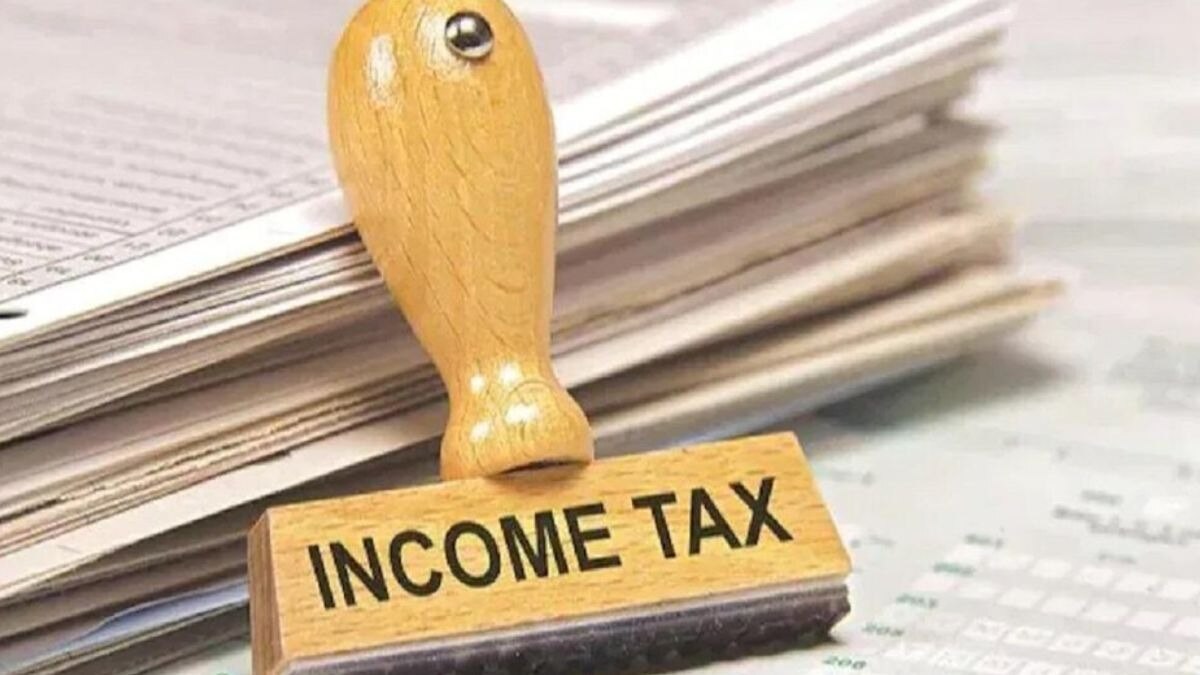
Income Tax Department Cracks Down on False Deduction Claims: A Proactive Approach to Tax Compliance
December 16, 2025 – The Income Tax Department is taking a firm stance against fraudulent tax returns, specifically targeting inflated or fabricated deductions claimed by taxpayers, particularly those related to donations to Registered Unrecognised Political Parties (RUPPs) and charitable institutions. This proactive initiative, coupled with a targeted “Nudge” campaign, signals a significant shift towards enhanced tax compliance and a commitment to identifying and rectifying inaccurate filings.
The Scope of the Issue: Uncovering a Pattern of Abuse
Recent investigations have revealed a concerning trend: a considerable number of taxpayers, frequently enough assisted by unscrupulous tax agents, have been exploiting loopholes to reduce their tax liability through illegitimate deductions. These deductions primarily fall under Section 80G (donations to charities) and Section 80GGC (donations to political parties) of the Income Tax Act. The department’s advanced data analytics capabilities flagged suspicious patterns, including donations to entities with questionable legitimacy and a lack of supporting documentation.
Our team,with decades of experience in tax law and enforcement,has observed similar patterns in past investigations. The current crackdown isn’t simply about identifying isolated incidents; it’s about dismantling a systemic issue that undermines the integrity of the tax system.
RUPPs and Charitable Trusts Under Scrutiny: A Conduit for Illicit Funds?
The inquiry has focused heavily on RUPPs, many of which are proving to be shell organizations. These parties frequently lack functional operations, fail to file returns, and demonstrate no genuine political activity.Alarmingly, many operate from fictitious or shared addresses, raising serious concerns about their purpose.
The department suspects these RUPPs are being utilized as conduits for moving unaccounted money,potentially including cross-border remittances,while together issuing bogus donation receipts. Follow-up searches on several such entities have already uncovered evidence of fabricated individual donations and inflated Corporate Social Obligation (CSR) claims. This isn’t merely a matter of tax evasion; it potentially involves money laundering and other financial crimes.
The “Nudge” Campaign: A Collaborative Approach to Compliance
Recognizing that many errors are unintentional, the Income Tax Department has launched a unique and taxpayer-kind initiative: the “Nudge” campaign. Beginning December 12, 2025, selected taxpayers are receiving personalized SMS and email alerts prompting them to review their income tax returns for potential discrepancies.
This isn’t a punitive measure; it’s an chance for taxpayers to self-correct genuine mistakes before enforcement action is taken. The campaign is designed to reduce disputes and foster a culture of voluntary compliance. We believe this approach, focusing on education and proactive correction, is far more effective than solely relying on audits and penalties.
Voluntary Revisions: A Positive Response & A Clear Signal
The response to the initial “Nudge” alerts has been encouraging. A significant number of taxpayers have already voluntarily revised their returns for the Assessment Year 2025-26, and others are filing updated returns for previous years. This demonstrates a growing awareness among taxpayers of the risks associated with false claims and a willingness to rectify errors.
This proactive behavior not only mitigates potential penalties but also demonstrates good faith, which can be a crucial factor in any future interactions with the department.
Protecting Yourself: Key Advice from the Finance Ministry
The Finance Ministry strongly advises all taxpayers to:
* Verify Contact Information: Ensure your current mobile number and email address are accurately reflected in your income tax filings. This is critical for receiving timely alerts and important communications from the department.
* Review Deductions Carefully: Thoroughly review all claimed deductions, ensuring you have valid documentation to support each claim. Don’t rely solely on tax preparers; take ownership of your filings.
* Utilize Official Resources: The official Income Tax Department portal (https://www.incometax.gov.in/) provides complete information on eligible deductions and the process for filing updated returns.
* Seek Professional Guidance: If you are unsure about any aspect of your tax filing, consult a qualified and reputable tax professional.
A Firm Warning: Consequences of False claims
The Income Tax Department is sending a clear message: claiming deductions without genuine supporting documentation will not be tolerated. With increasingly elegant data tracking and monitoring systems, detecting fraudulent claims is becoming easier than ever.
The consequences of making false claims can be severe, including:
* Penalties: Substantial financial penalties can be levied.