
A quiet residential area in Mumbai’s Bhendi Bazaar was shaken by a sudden and inexplicable tragedy when a family of four died within hours of each other. The incident, which initially sparked widespread fear regarding food safety and the consumption of common fruits, has since become a focal point for forensic investigators seeking to understand how a routine late-night snack turned fatal.
The victims—Abdulla Dodakia, 44, his wife Nasreen, 35, and their two daughters, Ayesha, 16, and Zainab, 12—succumbed to severe symptoms that rapidly overwhelmed medical efforts to save them. The sequence of events, beginning with a shared family meal and ending in a series of deaths at two different hospitals, has left the community searching for answers about the Mumbai family watermelon tragedy.
While early reports and local panic centered on the possibility of contaminated fruit, medical professionals have since cast doubt on the idea that the watermelon itself was the primary cause of death. Instead, the investigation has shifted toward the possibility of external contaminants or toxins that could mimic the signs of severe food poisoning while causing rapid systemic failure.
Timeline of a Tragedy in Bhendi Bazaar
The events unfolded over a single weekend, beginning on a Saturday evening when the Dodakia family spent time with relatives. According to police reports, the family shared a dinner of biryani and pulao around 10:30 p.m. Notably, other family members who consumed the same meal reported no illness or symptoms, suggesting the dinner was not the source of the toxicity.
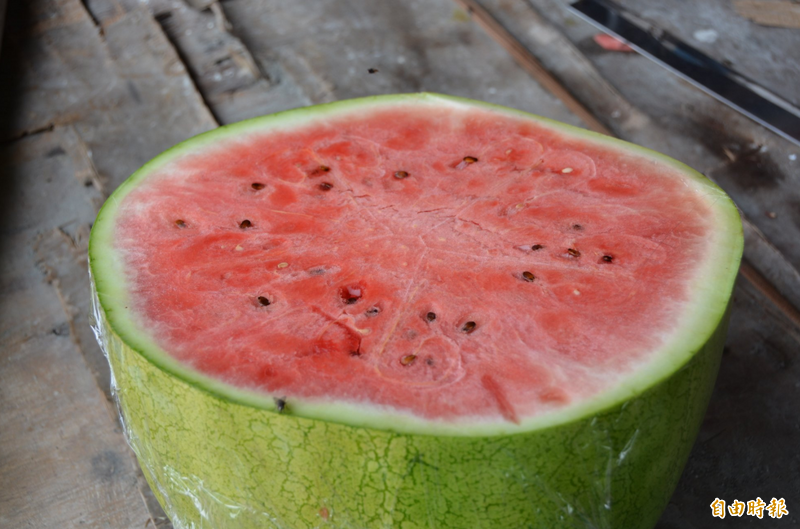
The situation changed around 1:00 a.m. On Sunday. The four family members consumed watermelon—the only food item that was not shared with the other relatives. By early Sunday morning, between 5:00 a.m. And 5:30 a.m., all four began experiencing acute distress. Symptoms included severe vomiting, diarrhea, and extreme physical discomfort.
The rapid deterioration of their health caused panic within their residential building in Ghati Gali. Neighbors discovered the family in critical condition; the youngest daughter, Zainab, was unresponsive with froth at her mouth, while the others were semi-conscious. They were rushed first to Saboo Siddique Hospital, where Zainab was declared dead on arrival.
The remaining three family members were transferred to Sir JJ Hospital for intensive care. Despite the efforts of medical teams, Nasreen died shortly after admission. Abdulla and Ayesha were moved to the intensive care unit but both succumbed later that day, passing away roughly five hours apart.
Medical Analysis: Beyond Simple Food Poisoning
Medical professionals at Sir JJ Hospital noted that the victims exhibited signs consistent with severe food poisoning, specifically highlighting acute kidney damage. However, doctors were quick to clarify that the nature of the deaths was highly unusual for standard foodborne illness.
Experts stressed that It’s highly unlikely that watermelon—even if it had become stale—could cause such rapid and fatal outcomes in four healthy individuals simultaneously. The speed of the collapse and the severity of the organ failure suggested a more potent agent than common bacteria or spoilage.
According to reports from the Times of India, doctors suggested that the cause was more likely a contaminant, an additive, or another underlying factor that had entered the food chain or the fruit itself. This distinction is critical, as it shifts the narrative from a warning about fruit spoilage to a potential case of accidental or intentional poisoning.
Understanding Acute Kidney Damage in Toxicity Cases
The presence of acute kidney damage is a significant clinical marker in poisoning cases. When the body is exposed to certain high-toxicity chemicals or heavy metals, the kidneys—which act as the body’s primary filtration system—can become overwhelmed or directly damaged by the toxin. This leads to a rapid buildup of waste products in the blood, contributing to the semi-conscious state and eventual death observed in the Dodakia family.
In many cases of chemical poisoning, the initial symptoms—vomiting and diarrhea—are the body’s attempt to expel the toxin. However, once the substance is absorbed into the bloodstream, it can cause systemic organ failure that is often irreversible without immediate and specific antitoxins, which are difficult to administer if the exact poison is unknown.
The Investigation into Toxic Contaminants
Following the initial medical assessments, forensic investigations focused on the possibility of chemical contamination. While the watermelon was the last thing the family ate, investigators have looked into whether the fruit was injected with or contaminated by toxic substances. In some urban environments, the misuse of pesticides or the accidental cross-contamination of food with household chemicals can lead to lethal results.
Reports emerging from forensic examinations have pointed toward the presence of rodenticides, commonly known as rat poison, in the victims’ systems. Rat poisons often contain anticoagulants or other potent chemicals that cause internal bleeding and organ failure, fitting the pattern of rapid deterioration and kidney damage seen in this case.
The investigation continues to determine how the toxin entered the family’s food. Authorities are examining whether the watermelon was contaminated at the point of sale or if a household chemical was mistakenly used in the preparation of the fruit. The precision of the impact—affecting only those who ate the watermelon—strongly suggests a localized source of toxicity.
Public Health Implications and Food Safety
The tragedy has sparked a broader conversation about food safety in densely populated urban centers like Mumbai. While doctors have reassured the public that watermelons are generally safe and hydrating, the incident serves as a reminder of the risks associated with food contamination.

To reduce the risk of contamination, health experts generally recommend the following precautions when preparing fresh produce:
- Thorough Washing: Always wash the outer rind of fruits like watermelon before cutting. This prevents bacteria or chemicals on the skin from being transferred to the flesh by the knife.
- Source Verification: Purchase produce from reputable vendors who follow food safety standards.
- Storage Awareness: Store cut fruits in airtight containers and refrigerate them immediately to prevent the growth of harmful bacteria.
- Observation: Be wary of fruits that have unusual odors, discolorations, or signs of puncture/injection.
The psychological impact on the Bhendi Bazaar community has been profound, with neighbors expressing shock at the sudden loss of an entire nuclear family. The case highlights the vulnerability of urban households to environmental toxins and the necessity of rigorous forensic pathology to provide closure to grieving families.
Conclusion and Next Steps
The deaths of Abdulla, Nasreen, Ayesha, and Zainab Dodakia remain a harrowing example of how a routine evening can end in catastrophe. While the initial focus on “poisoned watermelon” caused a wave of public anxiety, the medical evidence points to a more complex issue of chemical contamination.
The final official cause of death will be determined following the completion of the full forensic autopsy reports and toxicology screens. These documents will provide the definitive answer as to whether the contamination was accidental or the result of criminal negligence.
The community now awaits the final police report and the findings of the medical examiner to determine the exact origin of the toxin. We will provide updates as the official legal proceedings and forensic findings are released to the public.
Do you have information regarding food safety standards in your city, or have you experienced similar concerns? Share your thoughts in the comments below and share this article to help others stay informed about food safety.