
Latvia has issued a formal diplomatic protest to the Russian Federation following a series of airspace violations on May 7, 2026, when multiple unmanned aerial vehicles (UAVs) entered Latvian territory from Russian airspace. The incursions occurred in the eastern Latgale region, specifically crossing into the municipalities of Rēzekne, Balvi and Ludza.
The Latvian Foreign Ministry responded swiftly to the security breach, summoning the chargé d’affaires of the Russian embassy to deliver a formal note of protest. This diplomatic escalation underscores the heightened tensions along the NATO eastern flank, as Baltic states continue to report increased Russian military activity and provocative maneuvers near their borders.
The incidents come at a time of extreme volatility in Eastern Europe, coinciding with Russian threats of escalated strikes against Ukrainian targets and internal security lockdowns within Russia. While the drones did not result in reported casualties or infrastructure damage, the breach of sovereignty has triggered a sharp condemnation from Riga and a demand for the immediate cessation of Russian aggression.
Diplomatic Fallout and Airspace Disputes
The primary point of contention between the two nations involves the origin and intent of the drones. According to the Latvian Foreign Ministry, the drones flew decisively from the Russian side into the municipalities of Rēzekne, Balvi, and Ludza. The ministry has explicitly denied claims made by Moscow, which suggested that the drones were launched from Latvian territory.
In its communication with the Russian embassy, Riga emphasized that Latvia has never granted permission for its airspace to be used as a launch point for drones targeting Russian territory. The official position of the Latvian government is that the drones originated in Russia, contradicting public statements issued by Moscow. The use of a “note of protest” is a standard but serious diplomatic tool used to record a formal objection to an action that violates international law or bilateral agreements.
This dispute over “launch points” is a recurring theme in contemporary hybrid warfare, where airspace violations are often followed by conflicting narratives designed to confuse international observers and justify potential retaliatory measures. By summoning the chargé d’affaires, Latvia is signaling that it views these incursions not as accidental drifts, but as deliberate provocations.
Regional Security and the Latgale Incursions
The Latgale region, where the drones were spotted, is the easternmost province of Latvia and shares a direct border with Russia. The municipalities of Rēzekne, Balvi, and Ludza are strategically sensitive areas, making any unauthorized aerial activity a high-priority security concern for the Latvian National Armed Forces and border guards.
The timing of these incursions is particularly notable given the broader regional security climate. Latvia has reiterated its demand for the total withdrawal of Russian troops from all internationally recognized territories of Ukraine, linking the stability of the Baltic region directly to the outcome of the conflict in Ukraine. The presence of Russian UAVs in Latvian skies is seen by analysts as a method of testing response times and surveillance capabilities of NATO member states.
Beyond the immediate drone incidents, the Latvian government has expressed grave concern over Russia’s public threats to conduct a “massive strike” on Kyiv on May 9. Riga specifically highlighted the danger these threats pose to foreign embassies located in the Ukrainian capital, framing the Russian government’s rhetoric as a threat to international diplomatic norms and the safety of foreign nationals.
Broader Context: Russia’s May Holiday Security State
The airspace violations in Latvia occurred against a backdrop of unusual security measures within Russia itself. Reports indicate that Moscow planned comprehensive communication restrictions for the May holidays, driven by fears of potential strikes on the Kremlin. These measures included plans to shut down portions of the internet, block ATM access, and completely close the sky to civil aviation.
This internal posture—simultaneously threatening external targets in Ukraine and locking down domestic infrastructure—suggests a state of high alert within the Russian military and security apparatus. The drone incursions into Latvia may be a byproduct of this heightened state of operational activity or a deliberate attempt to distract neighboring states from internal Russian instabilities.
the geopolitical divide within the European Union remains evident. While Latvia and its Baltic neighbors have tightened security and increased diplomatic pressure on Moscow, other EU leaders have taken different paths. Slovak Prime Minister Robert Fico has reportedly declared his intention to visit Moscow for the May 9 parade, marking the first time a leader of an EU country has openly planned such a visit since the start of Russia’s full-scale invasion of Ukraine.
What This Means for Baltic Security
The repeated violation of Latvian airspace highlights a critical vulnerability in the defense of the Baltic states: the management of low-altitude, small-scale UAVs. Unlike manned aircraft, which are easily tracked by long-range radar, small drones can often evade detection until they are deep within sovereign territory.
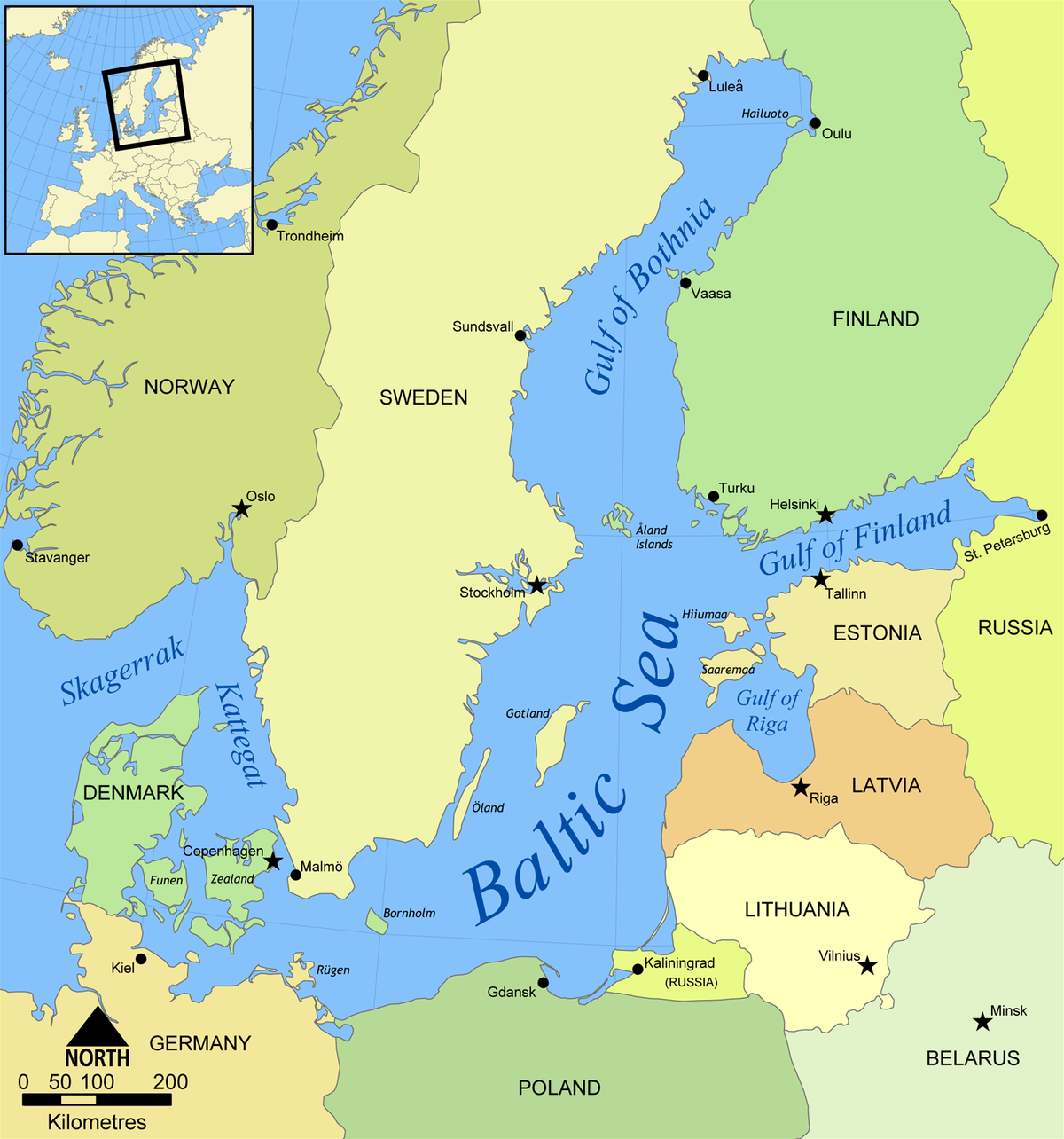
For the global community, these events serve as a reminder that the conflict in Ukraine is not contained within Ukrainian borders. The “gray zone” activities—including drone incursions, GPS jamming, and diplomatic intimidation—are becoming standard tools of Russian foreign policy toward NATO members. The Latvian response demonstrates a commitment to maintaining a strict “red line” regarding territorial integrity, regardless of the scale of the incursion.
The impact on local populations in Rēzekne, Balvi, and Ludza is primarily one of increased anxiety, as the physical presence of foreign military hardware in their skies brings the reality of the regional conflict closer to home. The Latvian government’s priority remains the deterrence of further incursions while maintaining a coordinated defense posture with NATO allies.
Next Confirmed Action: The Latvian Foreign Ministry continues to monitor the situation and awaits a formal response from the Russian Federation regarding the note of protest. Further updates are expected following the conclusion of the May 9 commemorations in Moscow.
World Today Journal encourages readers to share this report and join the discussion on regional security in the comments below.