
Entrepreneurs behind Norway’s popular “Fangene på Fortet” activity centre have taken over the former premises of Oslo nightclub Goldie, with plans to transform the space into what they describe as potentially Europe’s most expensive entertainment venue.
The move comes after Goldie, a well-known fixture in Oslo’s nightlife scene, ceased operations earlier this year. The founders of Fangene på Fortet, known for creating immersive challenge-based experiences inspired by the 1990s TV present “Fort Boyard,” confirmed the takeover in late April 2026, signalling a significant shift in the use of the central Oslo location on Badstugata.
According to local reporting, the new venture aims to leverage the spacious layout of the former nightclub to develop an expanded version of their existing activity concept, incorporating advanced physical and mental challenges across multiple themed zones. While specific investment figures have not been publicly disclosed, the founders indicated that the scale and technical specifications of the planned facility could position it among the most costly leisure projects of its kind in Europe.
Fangene på Fortet currently operates centres in Oslo, Bergen, and Stavanger, offering drop-in sessions and bookable experiences for families, corporate groups, and special occasions. Their Oslo location, which opened in July 2024, features 45 unique challenge cells designed to test teamwork, problem-solving, and physical agility in a safe, engaging environment.
From Nightclub to Challenge Arena: The Vision Behind the Takeover
The founders explained that the decision to acquire the Goldie premises stemmed from the property’s strategic location and structural suitability for large-scale interactive installations. Badstugata, situated in Oslo’s vibrant city centre, has long been associated with hospitality and entertainment venues, making it a logical site for an experiential attraction targeting both locals and tourists.
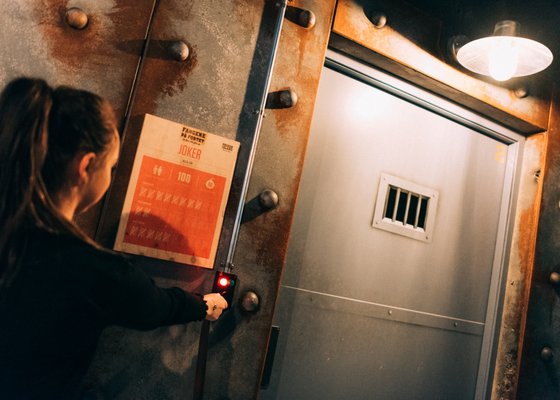
Rather than simply replicating their existing model, the team intends to redesign the space to accommodate more complex, multi-stage challenges that require greater coordination and creativity from participants. This includes the potential integration of immersive storytelling elements, adaptive difficulty systems, and expanded areas for group reflection and debriefing after activities.
Industry observers note that the shift reflects a broader trend in urban leisure, where traditional nightlife spaces are being repurposed for experiential and wellness-focused offerings. Similar conversions have been seen across Europe, with former bars and clubs transformed into escape rooms, virtual reality centres, and mindfulness studios in response to changing consumer preferences, particularly among younger demographics seeking social interaction without alcohol-centric environments.
What Sets Fangene på Fortet Apart in the Experiential Leisure Market
Unlike conventional escape rooms that primarily focus on puzzle-solving under time pressure, Fangene på Fortet emphasizes a holistic blend of physical exertion, cognitive challenges, and collaborative dynamics. Each session is facilitated by trained guides who encourage communication and mutual support, framing success not just by completion but by the quality of teamwork demonstrated.
The concept draws direct inspiration from the French-produced television series “Fort Boyard,” which aired internationally in the 1990s and early 2000s. In the show, contestants navigated a fortress filled with physical trials and riddles to collect keys and unlock a treasure chamber. Fangene på Fortet adapts this format for recreational use, scaling down the risks while preserving the core elements of adventure and collective achievement.
Safety protocols are central to the operation, with all equipment regularly inspected and activities supervised to prevent injury. Participants receive briefings before entering challenge zones, and alternatives are available for those with mobility concerns or specific needs, ensuring broad accessibility across age groups and fitness levels.
Economic and Cultural Implications for Oslo’s Entertainment Landscape
The transformation of the Goldie site into a high-investment leisure facility underscores evolving patterns in how urban spaces are utilized for public engagement. As cities worldwide reassess the role of nightlife districts post-pandemic, there is growing interest in venues that foster connection, skill-building, and shared experiences rather than passive consumption.
For Oslo, the development adds to a growing portfolio of innovative leisure attractions that complement the city’s cultural offerings. Located near major transport links and within walking distance of hotels, restaurants, and cultural institutions, the Badstugata site is well-positioned to contribute to the city’s appeal as a destination for both short-term visitors and resident seeking novel weekend activities.
While the project has not yet announced an official opening date, the founders stated during their April 2026 update that renovations are underway and that they aim to welcome guests later in the year. Further details regarding pricing, booking procedures, and specific challenge designs are expected to be released through the company’s official channels as the launch approaches.
As the experiential leisure sector continues to expand across Europe, initiatives like this one highlight how entrepreneurial ventures can reinterpret nostalgic concepts for contemporary audiences — turning the legacy of a television game show into a tangible, interactive destination that promotes engagement, laughter, and human connection in the heart of the city.
For updates on opening dates, activity descriptions, and booking information, visitors are encouraged to consult the official Fangene på Fortet website or contact their customer service team directly.