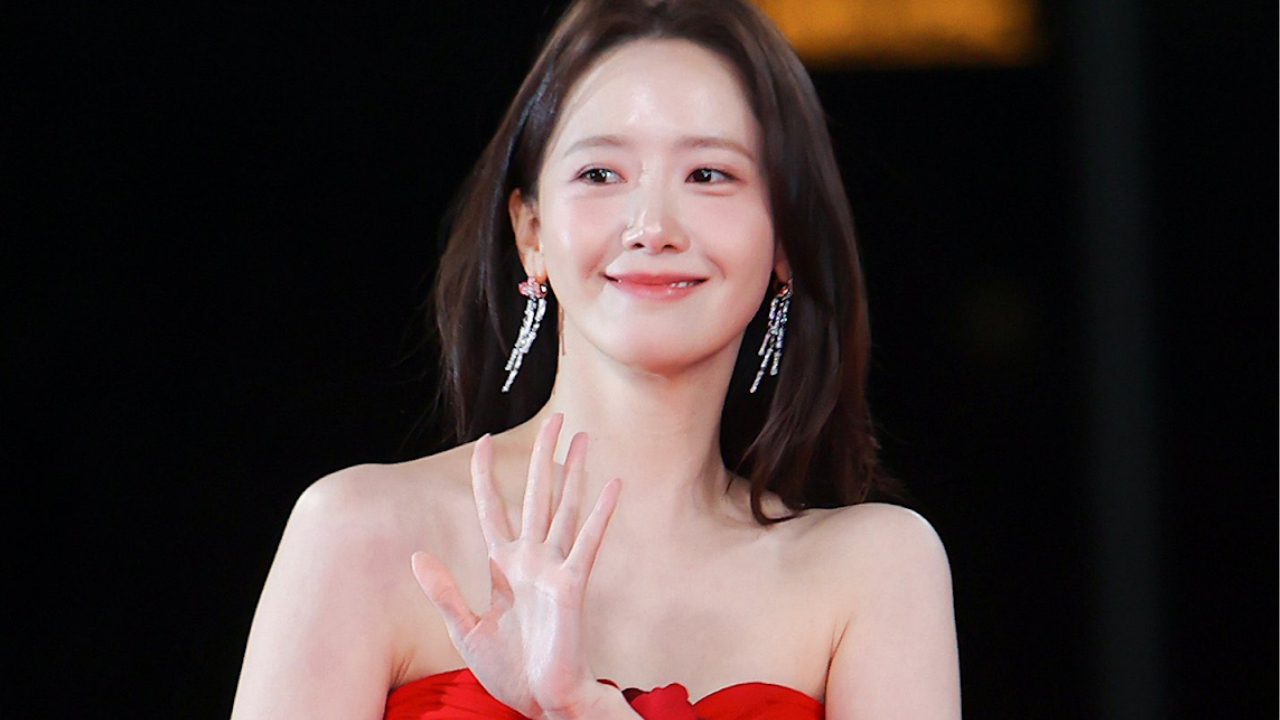
AI-generated images falsely depicting Girls’ Generation member YoonA in a state of pregnancy have circulated on social media, sparking intense backlash from fans and raising urgent questions regarding the misuse of generative artificial intelligence. While the images are fabrications, their rapid spread highlights the growing threat of deepfake technology to the privacy and reputation of K-pop idols.
The circulation of these manipulated images began following reports on social media platforms, where users identified highly convincing but entirely fraudulent visuals. These images, which appear to show the singer and actress in various stages of pregnancy, were created using advanced generative AI models rather than actual photography. Fans have expressed significant concern over the safety of the artist and the ease with which misinformation can be weaponized against public figures.
While no official statement has been released by YoonA’s management regarding specific legal filings at this hour, the incident follows a pattern of digital harassment targeting high-profile female celebrities in South Korea. The incident has reignited a global conversation about the lack of standardized regulation for AI-generated content and the difficulty of policing decentralized social media platforms.
How did these AI-generated images surface?
The images surfaced primarily through social media accounts, where they were shared without context or clear labeling as AI-generated content. According to reports from users on X (formerly Twitter), the images were designed to mimic the lighting, skin texture, and photographic style of professional press photos, making them difficult for the average viewer to distinguish from reality.
Generative AI tools, particularly those utilizing diffusion models, have reached a level of sophistication where they can synthesize highly realistic human features. These models work by “denoising” random pixels into a coherent image based on text prompts. In cases involving celebrities, malicious actors can use “LoRA” (Low-Rank Adaptation) techniques—a method used to fine-tune AI models on specific faces—to ensure the resulting deepfake maintains a high degree of likeness to the target individual.
This specific type of misinformation, involving false biological states like pregnancy, is a recognized form of digital harassment. It serves to manipulate public perception and can cause significant personal distress to the subject, even when the content is widely known to be fake by industry insiders.
What is the legal landscape for deepfakes in South Korea?
South Korea has some of the most stringent digital crime laws in the world, yet the rapid evolution of AI continues to challenge enforcement. The primary legal framework used to combat such imagery is the Act on Special Cases Concerning the Punishment, etc. of Sexual Crimes, which includes provisions against the creation and distribution of “deepfake pornography” or non-consensual digital manipulations.
Legal experts note that while the current laws are robust regarding explicit content, “non-explicit” deepfakes—such as those depicting false pregnancies or life events—often fall into a legal gray area. These instances are typically prosecuted under defamation laws or the Information and Communications Network Act, which covers the distribution of false information intended to damage a person’s reputation.
Recent legislative discussions in the South Korean National Assembly have aimed to expand these protections. Proposed amendments seek to penalize the creation of any AI-generated content that uses a person’s likeness without consent, regardless of whether the content is sexually explicit. The goal is to close the loophole that allows “soft” deepfakes, like the ones targeting YoonA, to circulate with relative impunity.
The technological mechanism behind AI manipulation
To understand why these images are so effective at deceiving the public, it is necessary to look at the underlying technology. Most modern deepfakes are produced using one of two primary methods: Generative Adversarial Networks (GANs) or Diffusion Models.
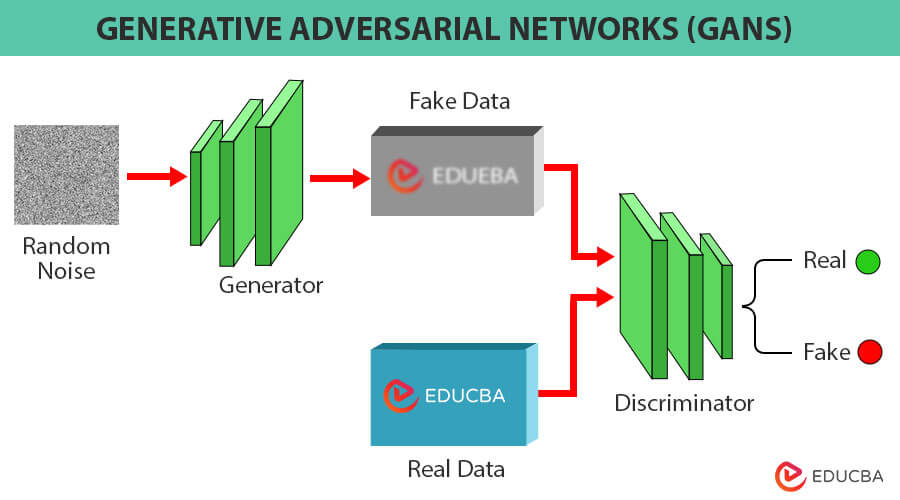
- Generative Adversarial Networks (GANs): This method involves two neural networks—a “generator” and a “discriminator”—working against each other. The generator creates an image, and the discriminator attempts to determine if it is real or fake. Through millions of iterations, the generator learns to create images that the discriminator can no longer distinguish from reality.
- Diffusion Models: This is the technology behind tools like Midjourney and DALL-E. These models learn to reverse a process of adding “noise” to an image. By training on vast datasets of celebrity photography, these models can accurately reconstruct a person’s likeness in entirely new, fabricated scenarios.
For high-profile targets like YoonA, attackers often use “face-swapping” technology, where a real person’s body (in this case, a pregnant model) is combined with the target’s facial features. Because the lighting and shadows of the original photograph are preserved, the resulting image lacks the common “uncanny valley” artifacts that previously signaled a fake.
How deepfakes impact the K-pop industry and fan safety
The K-pop industry is uniquely vulnerable to AI-driven misinformation due to the intense level of scrutiny and the highly organized nature of global fandoms. When a deepfake is released, it can go viral within minutes, reaching millions of fans before an official agency can issue a denial.
This creates several layers of impact:
- Reputational Damage: Even if a claim is proven false, the “first impression” of a viral image can linger in the public consciousness, affecting brand endorsements and professional opportunities.
- Psychological Toll: For the artists, the experience of seeing their likeness used in fabricated, often invasive scenarios can lead to significant mental health challenges.
- Fan Anxiety: As noted in recent social media discussions, fans often experience distress not only for the artist but also out of fear for the artist’s privacy and the potential for further, more invasive deepfakes.
Agencies like SM Entertainment have historically taken a “zero-tolerance” policy toward the infringement of artist rights. This typically involves monitoring social media for unauthorized use of likeness and pursuing criminal charges against the creators and distributors of defamatory content.
How to identify AI-generated misinformation
As AI technology improves, distinguishing between real and fake images requires a more critical eye. While no single method is foolproof, looking for specific technical inconsistencies can help identify manipulated media.
| Feature | Real Photograph | AI-Generated Image |
|---|---|---|
| Background Detail | Consistent textures and logical depth. | Blurred, “melting,” or illogical shapes in the distance. |
| Hands and Limbs | Standard anatomical structure. | Extra fingers, missing joints, or unnatural merging. |
| Lighting and Shadows | Shadows follow a single, logical light source. | Inconsistent shadows or “glowing” skin edges. |
| Fine Textures | Natural skin pores and hair strands. | Overly smooth “plastic” skin or hair that blends into skin. |
Beyond visual inspection, users are encouraged to use reverse image search tools to trace the origin of a photo. If an image of a celebrity appears on a non-official account or a site known for misinformation, it should be treated with skepticism.
Frequently Asked Questions
Is it illegal to share AI-generated images of celebrities?
In South Korea, distributing manipulated images that damage a person’s reputation or are sexually explicit is illegal. Even if the content is not explicit, sharing false information that harms an individual can lead to defamation charges under the Information and Communications Network Act.
How can I report deepfake content?
Users should report such content directly to the social media platform (X, Instagram, etc.) using their reporting tools for “misleading information” or “harassment.” In South Korea, reports can also be filed with the Korea Communications Standards Commission (KCSC).
Can AI images be detected by software?
Yes, several companies are developing AI-detection tools that analyze pixel-level inconsistencies and frequency patterns that are invisible to the human eye. However, as generative models improve, this remains an ongoing “arms race” between creators and detectors.
The next expected development in this matter will be an official statement from YoonA’s agency regarding any legal actions being taken against the distributors of the images. We will continue to monitor official channels for updates.
What are your thoughts on the regulation of AI-generated content? Do you believe current laws are sufficient to protect public figures? Share your comments below and share this article to raise awareness about deepfake technology.