Texas Pacific Land Corporation (TPL) has seen significant market activity following reports of sustained investment from institutional shareholders and new infrastructure developments in the Permian Basin. Horizon Kinetics LLC, a prominent investment manager, continues to maintain a substantial position in the company, reflecting long-term confidence in the landholder’s unique business model. According to recent filings with the U.S. Securities and Exchange Commission, institutional interest remains a primary driver of the stock’s valuation, which has been buoyed by the company’s transition toward diversifying its revenue streams beyond traditional oil and gas royalties.
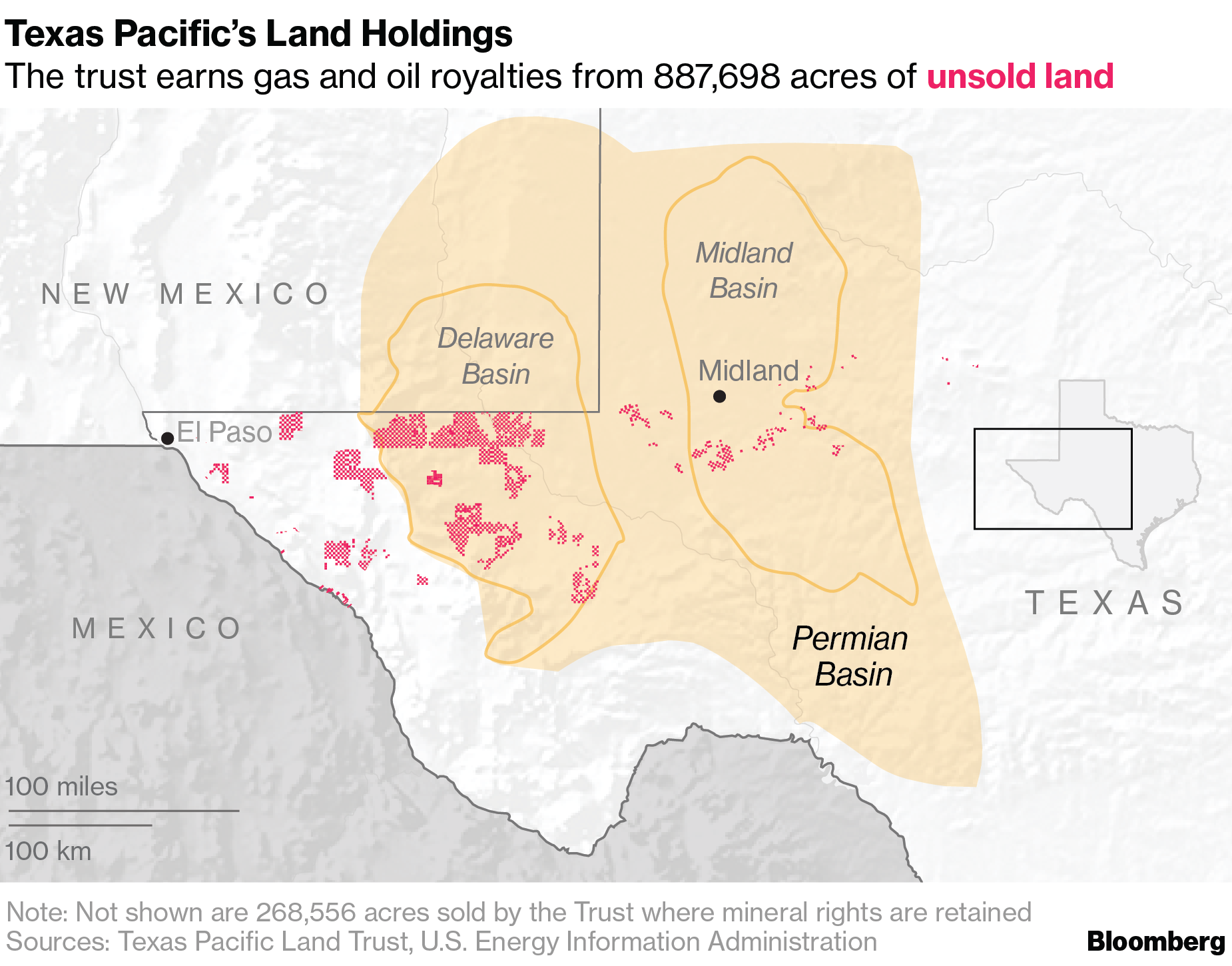
The company’s strategic shift is highlighted by its increasing involvement in land-use agreements for data centers and power infrastructure. These developments coincide with broader regional trends, as energy giants look to leverage existing land assets to support the surging demand for high-performance computing and artificial intelligence. Market analysts note that Texas Pacific Land’s vast surface holdings in West Texas provide a competitive advantage for developers seeking reliable power access and proximity to energy production.
Strategic Infrastructure and Data Center Expansion
Texas Pacific Land has moved to capitalize on the growing demand for digital infrastructure by facilitating data center projects on its property. This diversification strategy is designed to create recurring revenue streams that are less volatile than commodity-linked royalties. Industry reports indicate that the company has engaged in discussions and preliminary agreements to provide surface rights and utility access for these facilities, a move that aligns with the broader industrialization of the Permian Basin.
This expansion is supported by regional energy projects, including a notable 20-year power agreement between Microsoft and Chevron. The partnership focuses on supplying renewable energy to support data center requirements, utilizing the geographical and infrastructure advantages found within Texas. By positioning its land as a viable site for such energy-intensive operations, Texas Pacific Land is effectively linking its real estate assets to the growth of the technology sector.
Institutional Positioning and Market Performance
Horizon Kinetics, which has long been a major shareholder in Texas Pacific Land, continues to signal its bullish outlook on the company’s underlying assets. Investment firms often point to the company’s low debt levels and the scarcity of its land holdings as primary factors for their sustained interest. As of the most recent Schedule 13G filings, institutional investors hold a significant majority of the company’s outstanding shares, which often contributes to lower daily trading liquidity and higher price sensitivity during market shifts.

Investors tracking the stock often weigh these institutional holdings against the company’s operational performance in the energy sector. Because Texas Pacific Land operates primarily as a royalty interest holder, its financial health is intrinsically tied to the production levels of operators on its land. However, the current pivot toward surface-use fees for water management, power generation, and data infrastructure is intended to provide a hedge against the cyclical nature of crude oil and natural gas prices.
Evaluating the Long-Term Economic Outlook
The convergence of energy production and technology infrastructure in Texas is creating a new economic corridor. For stakeholders in Texas Pacific Land, the primary question involves how quickly these non-oil revenue streams can scale to represent a larger portion of the company’s total earnings. Financial analysts observe that while oil and gas remain the core engine of cash flow, the infrastructure projects represent a long-term play on the region’s increasing importance to the global power grid.
Market observers should monitor the company’s upcoming quarterly earnings reports for specific updates regarding the progression of these data center projects. These filings, accessible via the SEC EDGAR database, remain the most reliable source for information regarding capital expenditure, land lease revenue, and management’s outlook on infrastructure partnerships. As the company continues to navigate these capital-intensive projects, transparency in its land-use agreements will likely be a key factor in maintaining institutional investor support.
Texas Pacific Land Corporation is expected to provide further updates during its next scheduled earnings call. Investors are encouraged to review official proxy statements and 10-K filings for detailed breakdowns of revenue segments. We welcome your insights and analysis on the evolving landscape of the Permian Basin in the comments section below.
Related reading