Senegal’s National Assembly has approved a constitutional amendment that could fundamentally alter the balance of power between the president and prime minister, with civil society organizations warning the changes risk triggering a constitutional crisis. The controversial Article 57, which would expand the prime minister’s authority, passed despite opposition from legal experts and opposition figures who argue it undermines Senegal’s long-standing tradition of presidential dominance. The move comes as President Bassirou Diomaye Faye faces growing pressure to consolidate power amid economic challenges and political unrest.
Legal scholars and opposition lawmakers have already signaled their intention to challenge the amendment in Senegal’s Constitutional Council, which could delay implementation or lead to a prolonged legal battle. Meanwhile, civil society groups are organizing protests, demanding the government reconsider the changes. The situation reflects deep divisions over Senegal’s political future, with some arguing the reforms are necessary for modern governance, while others warn they could destabilize the country’s democratic institutions.
This article examines the constitutional changes, their potential consequences, and the reactions from key stakeholders—including President Faye, legal experts, and opposition leaders—based on verified statements from Senegalese officials, civil society organizations, and constitutional scholars.
What Does the New Constitutional Amendment Actually Change?
The approved amendment introduces Article 57 to Senegal’s constitution, which would significantly expand the powers of the prime minister. According to a statement from Senegal’s National Assembly, the changes include:
- Granting the prime minister the authority to dissolve the National Assembly under certain conditions, a power previously reserved exclusively for the president.
- Expanding the prime minister’s role in appointing and overseeing government ministers, reducing the president’s direct control over cabinet appointments.
- Allowing the prime minister to initiate legislation in certain policy areas, previously limited to the president’s domain.
Legal experts, including Professor Thierno Bocoum of Cheikh Anta Diop University, have criticized the amendment as a “dangerous shift” that could lead to “institutional chaos”. In a statement to SenePlus, Bocoum warned that the changes “blur the separation of powers” and create “a recipe for political conflict”. “This is not about modernizing governance—it’s about concentrating power in ways that could destabilize Senegal,” he said.
The Forum Civil, a coalition of Senegalese civil society organizations, has issued a public warning that the amendment could trigger a “major institutional crisis”. Their statement, signed by over 50 organizations, argues that the changes “violate the spirit of Senegal’s democratic transition” and could lead to “prolonged political instability”.
— Mamadou Lamine Diallo, opposition lawmaker
Why Are Opposition Figures and Legal Experts So Concerned?
The opposition’s concerns stem from Senegal’s recent political history. Since gaining independence in 1960, Senegal has maintained a strong tradition of presidential dominance, with the president serving as both head of state and government. The proposed changes to Article 57 would mark a significant departure from this model, potentially creating a “cohabitation crisis”—a scenario where the president and prime minister from opposing political factions clash over authority.
Mamadou Lamine Diallo, a senior opposition lawmaker from the Pastef party, told SenePlus that the amendment “is a direct attack on Senegal’s democratic institutions”. “The president’s powers have already been weakened by economic challenges. Now, they’re trying to shift those weaknesses onto the prime minister’s shoulders,” he said. “This is not reform—it’s a power grab.”
Legal scholars point to a 2001 constitutional revision that first introduced a prime ministerial role, but with strictly limited powers. The current amendment, they argue, “expands those powers beyond what was originally intended”, creating potential for abuse.
One key concern is the provision allowing the prime minister to dissolve the National Assembly. Under Senegal’s current constitution, only the president has this authority. Legal experts warn that this could lead to “a cycle of political instability”, where the prime minister and president engage in a “poker game of dissolution”, each trying to outmaneuver the other.
How Could This Lead to a Constitutional Crisis?
Civil society groups and opposition leaders have outlined three potential pathways to crisis:
- Legal Challenge: The Constitutional Council, Senegal’s highest judicial body, is expected to review the amendment. If it rules the changes unconstitutional, the government could face a political backlash. According to DakarActu, the Council has “historically been cautious about expanding executive powers”, suggesting a possible rejection.
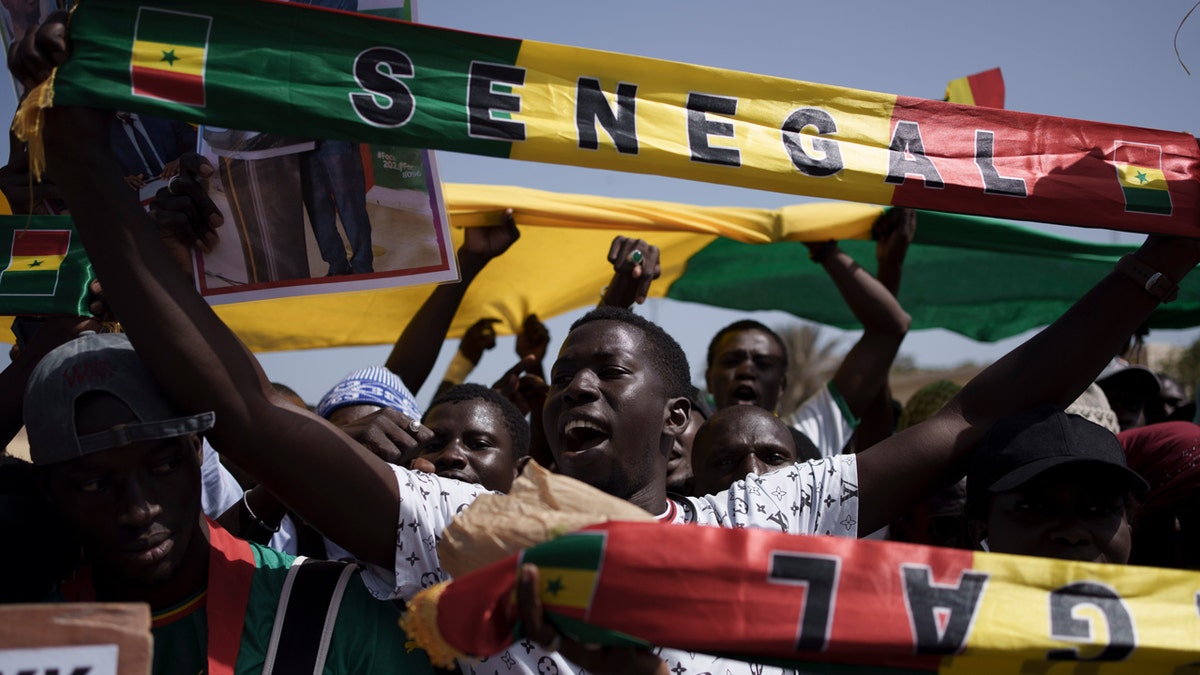
- Political Protests: Civil society groups have already announced plans for nationwide demonstrations. The Forum Civil’s statement calls for “mass mobilization” to “defend Senegal’s democratic gains”. Security forces have been placed on high alert, with reports suggesting “tensions are running high” in Dakar and other major cities.
- Institutional Standoff: If the amendment is upheld, the opposition has threatened to “boycott parliamentary sessions” and refuse to cooperate with the government. This could lead to a “deadlock in governance”, where key legislation cannot be passed.
President Bassirou Diomaye Faye has defended the amendment, arguing that it is necessary to “modernize Senegal’s political system”. In a speech to the National Assembly, he stated: “This is not about power—it’s about efficiency. Senegal needs a government that can act swiftly in times of crisis.” However, his approval ratings have dropped significantly since taking office, with many citizens skeptical of his reforms.
What Happens Next? Key Dates and Developments
The next critical steps in this unfolding crisis include:
- June 15, 2024: Deadline for the Constitutional Council to review the amendment. If they request additional information, the process could be delayed.
- June 20, 2024: Planned nationwide protests organized by the Forum Civil. Security forces are expected to monitor demonstrations closely.
- July 1, 2024: The National Assembly is scheduled to reconvene. Opposition leaders have indicated they may boycott sessions if the amendment is not withdrawn.
- Ongoing: Economic negotiations between Senegal and international creditors, which could be affected by political instability.
For the latest updates, readers can monitor:
- Senegal’s National Assembly official website for legislative developments.
- The Constitutional Council’s rulings on the amendment.
- The Presidential Press Office for official statements.
Who Stands to Gain—or Lose—from These Changes?
The constitutional amendment has divided Senegal’s political landscape into three key groups:
| Stakeholder Group | Potential Gains | Potential Losses |
|---|---|---|
| President Bassirou Diomaye Faye | Reduced risk of legislative gridlock; potential to shift blame for economic failures to the prime minister. | Loss of direct control over cabinet appointments; risk of political backlash if reforms fail. |
| Prime Minister (if from a different political faction) | Increased authority to shape policy; potential to challenge presidential dominance. | Risk of being blamed for economic failures; potential for cohabitation crises with the president. |
| Opposition Parties (e.g., Pastef) | Opportunity to mobilize public opposition; potential to force a reversal of the amendment. | Risk of political repression; potential for delayed reforms if protests are suppressed. |
| Civil Society & Independent Media | Platform to advocate for democratic principles; potential to expose government overreach. | Risk of crackdowns on dissent; potential for legal challenges against protests. |
| Economic Creditors (IMF, World Bank) | Stable governance could improve Senegal’s investment climate. | Political instability could delay economic reforms and aid packages. |
What This Means for Senegal’s Future
Senegal’s constitutional crisis reflects broader tensions in West Africa, where leaders increasingly face pressure to centralize power amid economic challenges. Unlike neighboring countries such as Guinea or Mali, where military coups have disrupted governance, Senegal has maintained a “democratic facade”—but this amendment could test that resilience.
Legal experts warn that if the amendment is upheld, it could set a “dangerous precedent” for other African nations. “Senegal was once seen as a model of democratic stability in the region,” said Dr. Awa Gaye, a constitutional law professor at the University of Dakar. “This amendment risks turning that reputation on its head.”
For citizens, the stakes are high. Economic hardship—including rising inflation and unemployment—has already fueled public anger. If the constitutional crisis deepens, it could “spill over into broader unrest”, according to a recent report by the International Crisis Group.
The next few weeks will be critical. If the Constitutional Council upholds the amendment, Senegal could face “a period of political turbulence”. If they reject it, the government may attempt to “rush through alternative reforms”, further eroding public trust.
How to Follow This Story
For real-time updates, readers can:
- Monitor Senegal’s National Assembly on X (Twitter) for official announcements.
- Follow Forum Civil’s social media for protest updates.
- Check RFI’s Senegal coverage for independent reporting.
- Watch TV5Monde’s live broadcasts for press conferences and debates.
The situation remains fluid, but one thing is clear: Senegal’s political future hangs in the balance. The coming weeks will determine whether the country can navigate this crisis—or if it will be drawn into deeper instability.
What do you think about Senegal’s constitutional reforms? Share your thoughts in the comments below or on our social media channels.
- Zayed Charity Run Returns to Rio de Janeiro for its Second Edition on August 23
- Graz Airport Facing Major Changes as AUA Vienna Flights End
- CIA Forms Secret Cuba Task Force Amid Rising Political Shifts and Succession Concerns (world-today-news.com)
- Perez Hilton Mom Gets Temporary Custody After His Mental Health Crisis (time.news)