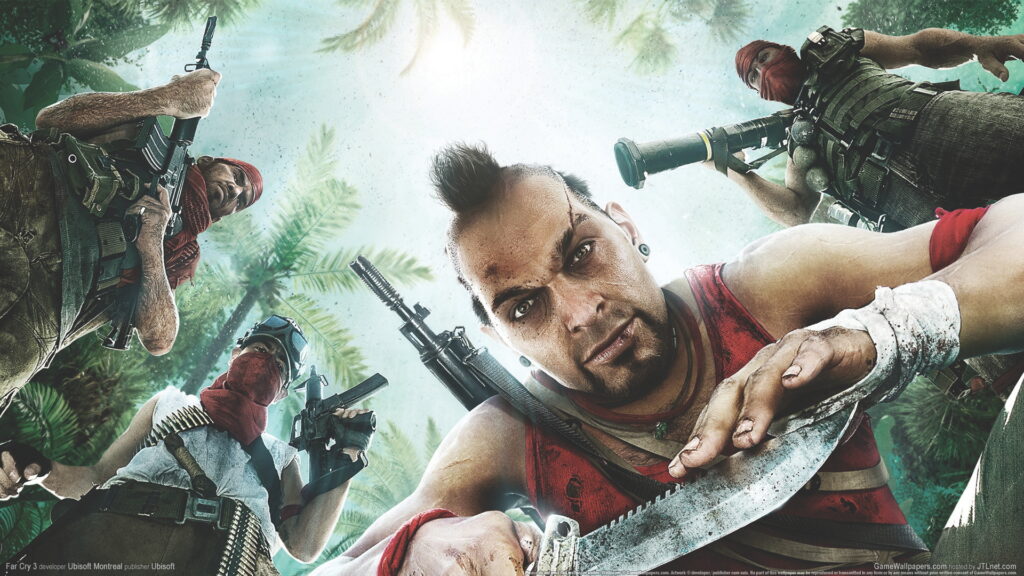
Ubisoft is reportedly shifting the development focus of the next mainline installment in its flagship series, Far Cry 7, toward an extraction shooter format. Industry reports suggest the upcoming title will introduce a high-stakes, time-sensitive gameplay loop, moving away from the traditional open-world single-player structure that has defined the franchise since its inception.
As the gaming industry continues to evolve, the integration of extraction elements—a genre popularized by titles like Escape from Tarkov—represents a significant pivot for Ubisoft. While the publisher has not issued a formal confirmation regarding the specific mechanics of the next Far Cry entry, the move reflects a broader strategic interest from major studios in persistent, service-based online experiences.
Shifting Mechanics: From Exploration to Extraction
The core of the reported shift involves a race-against-the-clock mechanic. Unlike previous entries where players explored expansive maps at their own pace, Far Cry 7 is expected to emphasize intense sessions where players must complete objectives and extract before a timer expires. This transition suggests a departure from the series’ hallmark narrative-heavy campaigns, favoring instead a model centered on loot management, tactical survival, and risk-reward decision-making.
For players familiar with the franchise, this represents a fundamental change in how the game is experienced. In a standard Far Cry title, the player character often engages in systemic guerrilla warfare to destabilize a regional dictator. An extraction shooter model, by contrast, focuses on smaller, repeatable encounters where the primary goal is to secure resources and survive against both AI threats and potential human competitors.
The Evolution of the Far Cry Franchise
Since the release of the original Far Cry in 2004, the series has maintained a consistent identity: first-person action set in isolated, dangerous environments. Over the last two decades, Ubisoft has experimented with various iterations, including the spin-offs Far Cry: New Dawn and Far Cry 6, which introduced RPG-lite elements and expanded gear systems.
The reported move to an extraction-based format aligns with Ubisoft’s ongoing efforts to diversify its portfolio. The company has previously explored competitive multiplayer spaces with titles like Tom Clancy’s The Division and Rainbow Six Siege. By applying the Far Cry brand to the extraction genre, Ubisoft aims to leverage the franchise’s recognizable aesthetic—characterized by lush, hostile biomes and chaotic combat—within a more modern, service-oriented framework.
Strategic Implications for Ubisoft
The decision to pivot toward extraction-based gameplay is likely driven by the current market demand for highly replayable, multiplayer-focused games. Extraction shooters offer significant potential for long-term player retention, as the “extract-or-lose-it” stakes create a natural incentive for players to return to the game repeatedly to optimize their loadouts and climb progression ladders.

However, this transition also carries risks. The Far Cry community has historically gravitated toward the series for its immersive, narrative-driven single-player experiences. Integrating a demanding extraction loop requires balancing the complexity of the new mechanics with the accessibility that has made the series a commercial success. Ubisoft’s ability to bridge this gap will be a critical factor in how the title is received by both veteran fans and newcomers to the genre.
What Lies Ahead
As of now, Ubisoft has kept details regarding the development of Far Cry 7 strictly internal. The company has not provided an official release date, a trailer, or a detailed breakdown of the game’s final feature set. Investors and fans alike are waiting for an official reveal, which typically occurs during major industry showcases or company-led investor calls.
For those tracking the progress of this title, the next official update from Ubisoft regarding its upcoming software pipeline remains the most reliable checkpoint. As we monitor these developments from San Francisco, we will continue to provide analysis on how these changes impact the broader gaming landscape. We encourage readers to share their thoughts on these reported changes in the comments below.