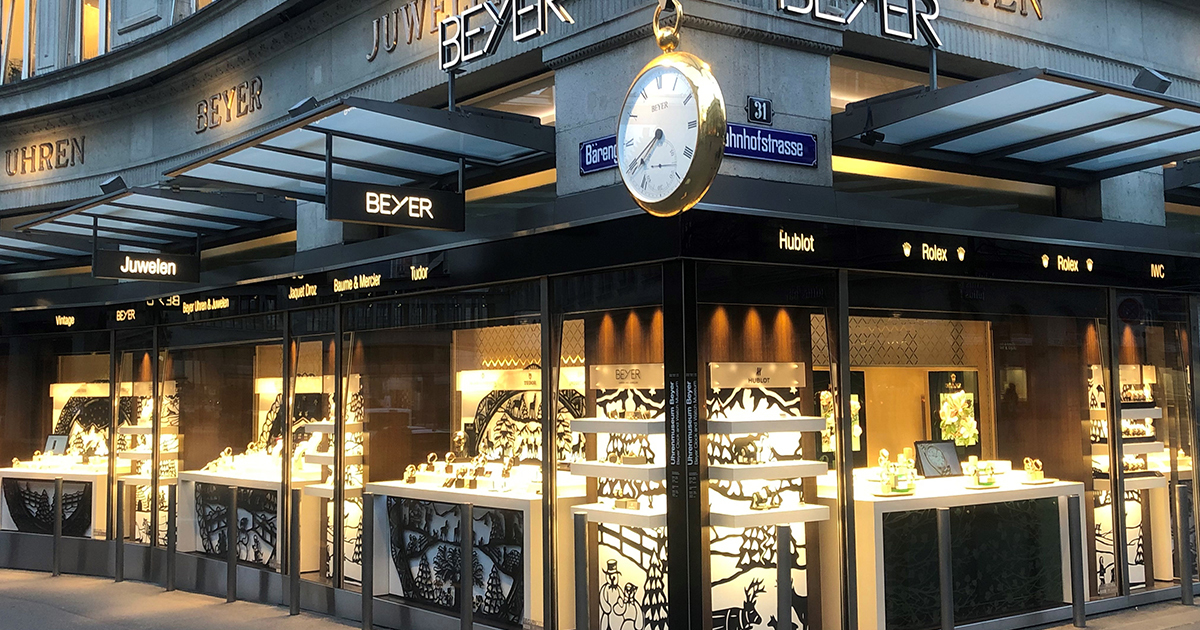
Aerowatch, a Swiss watch manufacturer based in the Jura Mountains, produces aviation-inspired timepieces within the historic watchmaking hub of Sainte-Croix. These timepieces are distributed through high-end luxury retailers, including Beyer Uhren & Juwelen in Zurich, bridging the gap between specialized mountain manufacturing and the global luxury market. The manufacturer is characterized by its focus on pilot-style watches and its adherence to regional horological traditions.
Where is Aerowatch manufactured?
Aerowatch maintains its manufacturing operations in Sainte-Croix, a municipality located in the Jura region of Switzerland. This area is part of a broader geographic cluster known for high-precision mechanical engineering and horology, often extending into the nearby Vallée de Joux. The Jura Mountains provide the backdrop for a specialized industry that has centered on watchmaking for centuries.
The Sainte-Croix region is specifically recognized for its concentration of skilled artisans and technical expertise. Unlike larger conglomerates that may distribute production across multiple continents, Aerowatch utilizes the local infrastructure of the Jura to maintain its production standards. This proximity to other Swiss watchmaking specialists allows for a highly integrated supply chain within the canton of Vaud.
The rugged topography of the Jura Mountains has historically influenced the development of the Swiss watch industry. The isolation of these mountain communities encouraged the growth of specialized, home-based workshops that eventually evolved into the formal manufacturing houses seen today. This geographic heritage remains a central component of the brand’s identity and its “Swiss Made” designation.
What defines the Aerowatch design aesthetic?
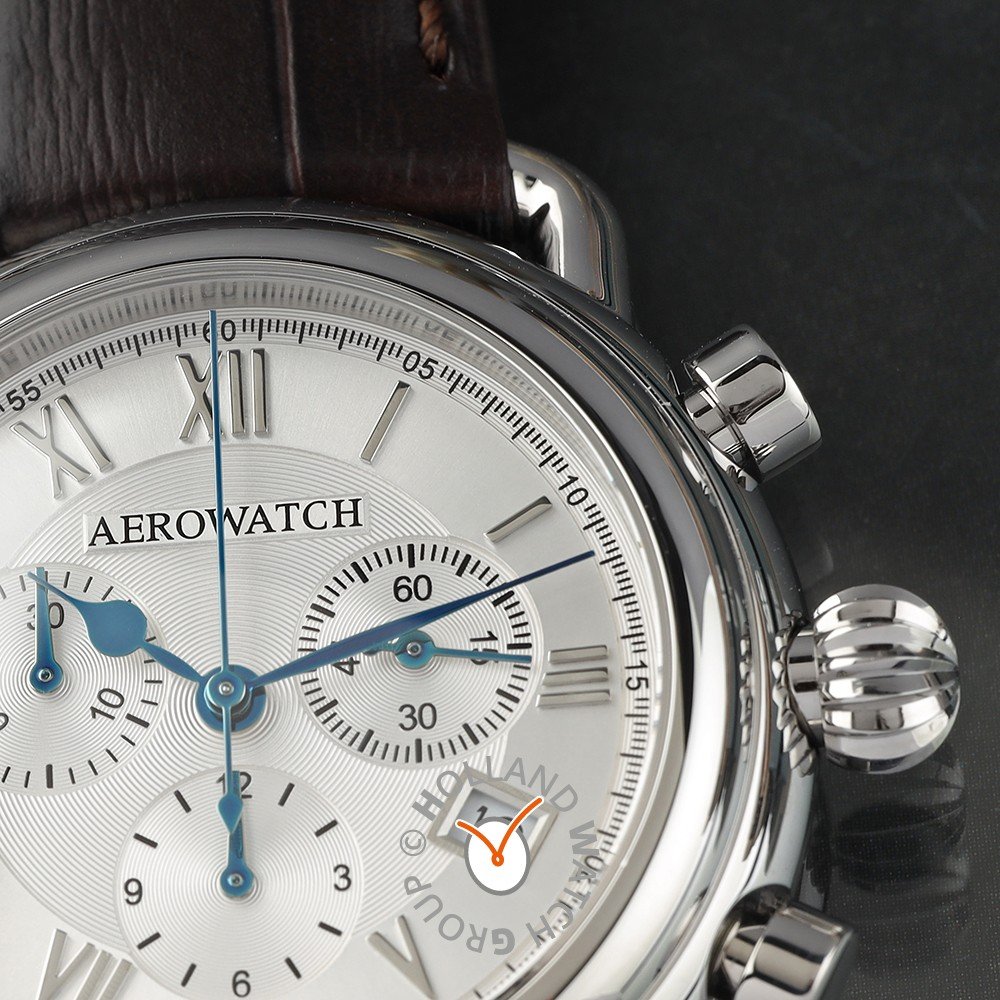
The Aerowatch brand is primarily defined by its focus on aviation-themed timepieces, often referred to as pilot watches. These watches are designed with high legibility and functional characteristics that mirror the requirements of early aviators. Common design elements include large, easy-to-read dials, high-contrast numbering, and specialized complications such as chronographs.
Aviation watches traditionally require specific technical features to serve their intended purpose. These include clear markings for elapsed time and robust movements capable of withstanding the vibrations and pressure changes associated with flight. Aerowatch incorporates these historical design cues into contemporary mechanical movements, catering to collectors who value the intersection of functional history and modern luxury.
Beyond the pilot series, the manufacturer produces various styles of mechanical watches that emphasize classical Swiss aesthetics. This includes a range of dress watches and chronographs that utilize traditional materials such as stainless steel and sapphire crystal. The brand’s design philosophy centers on the balance between historical homage and modern manufacturing precision.
How does the relationship between manufacturers and retailers like Beyer work?
The distribution of luxury timepieces relies on a structured relationship between regional manufacturers and specialized retailers. In this ecosystem, manufacturers like Aerowatch focus on the technical production and brand development within the Jura region, while retailers such as Beyer Uhren & Juwelen manage the customer experience and market access in major urban centers like Zurich.

Beyer Uhren & Juwelen operates as a prestigious destination for luxury goods in Zurich, providing the necessary platform for specialized brands to reach an international clientele. This retail presence is essential for brands that maintain a niche manufacturing focus. The retailer acts as a curator, selecting timepieces that meet the high standards of the Swiss luxury market, including those from specialized makers in the Jura.
This partnership ensures that the craftsmanship developed in mountain workshops is accessible to global collectors. Retailers provide the physical showroom, expert sales staff, and after-sales service infrastructure that complements the manufacture’s technical output. This division of labor—production in the Jura and retail in Zurich—is a fundamental pillar of the Swiss luxury economy.
Why is the Jura region central to Swiss horology?
The Jura Mountains serve as the historical and economic heart of the Swiss watchmaking industry. The region’s development as a horological center was driven by both geography and the availability of skilled labor. The specialized nature of the terrain meant that many early watchmakers operated in small, decentralized workshops, a model that eventually coalesced into the modern manufacturing hubs seen in Sainte-Croix and Le Locle.
The concentration of expertise in the Jura region creates a “cluster effect,” where manufacturers, component suppliers, and specialized toolmakers exist in close proximity. This proximity reduces logistics costs and facilitates the rapid exchange of technical innovations. For a manufacturer like Aerowatch, being situated in this cluster is a strategic advantage that ensures access to high-quality components and specialized technical services.
Furthermore, the Jura region is subject to strict regulatory oversight regarding the “Swiss Made” label. This designation is not merely a marketing tool but a legal standard regulated by the Swiss Federal Institute of Intellectual Property. To carry this label, a significant portion of the watch’s value must be generated in Switzerland, and the final assembly must take place in the country, a requirement that the Jura-based manufacturers strictly uphold.
How is the “Swiss Made” standard maintained?
The “Swiss Made” designation is governed by rigorous legal requirements to protect the reputation of Swiss horology. According to the Swissness legislation, a watch must meet specific criteria regarding its movement, the case, and the final assembly process to qualify for the label. This includes the requirement that at least 60% of the manufacturing costs must be incurred in Switzerland.
This regulatory framework serves several purposes:
- Consumer Protection: It ensures that customers are receiving a product that meets genuine Swiss standards of quality and origin.
- Brand Integrity: It protects the global reputation of the Swiss watch industry from counterfeit or low-quality imitations.
- Economic Stability: It incentivizes manufacturers to maintain their production facilities and skilled workforces within Switzerland.
For manufacturers operating in the Jura, such as Aerowatch, adhering to these standards is a core operational requirement. The complexity of these regulations means that every component, from the movement to the dial, must be meticulously tracked to ensure compliance during the audit processes conducted by Swiss authorities.
Comparison of Manufacturing and Retail Roles
| Feature | Manufacturer (e.g., Aerowatch) | Retailer (e.g., Beyer Uhren) |
|---|---|---|
| Primary Focus | Technical production and design | Sales, curation, and customer service |
| Location | Jura Mountains (Sainte-Croix) | Urban centers (Zurich) |
| Key Responsibility | Horological precision and assembly | Market access and brand presentation |
| Core Asset | Technical expertise and machinery | Location and client relationships |
Key Takeaways
- Aerowatch Production: Centered in Sainte-Croix, within the Jura Mountains of Switzerland.
- Design Specialty: Primarily known for aviation-inspired pilot watches and mechanical chronographs.
- Retail Connection: Distributed through high-end Swiss jewelers, including Beyer Uhren & Juwelen in Zurich.
- Regulatory Compliance: Operates under strict “Swiss Made” legal standards to ensure authenticity and quality.
- Regional Importance: Leverages the specialized manufacturing cluster of the Jura region.
There are currently no scheduled official announcements from Aerowatch or Beyer Uhren & Juwelen regarding new product launches or manufacturing updates. Industry observers typically monitor official Swiss trade registries and company press releases for developments in the Jura watchmaking sector.
What are your thoughts on the importance of regional manufacturing in the luxury watch industry? Share your insights in the comments below and share this article with your network.
Related reading