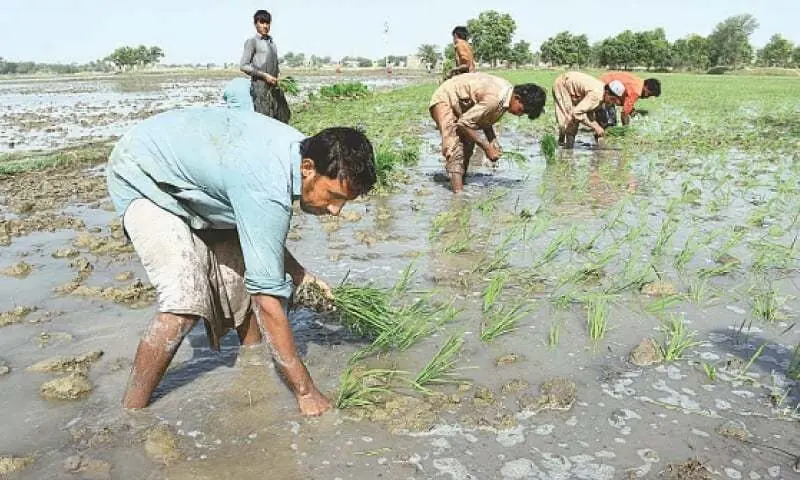
Navigating Crisis: Empowering Pakistani Farmers Through Cost Reduction and Collective Action
Pakistan’s agricultural sector is at a critical juncture. Decades of systemic challenges – encompassing flawed policies, exploitative market practices, and institutional shortcomings – have converged to create a deeply precarious situation for farmers nationwide.While awaiting comprehensive governmental reform,the immediate survival of Pakistani agriculture hinges on proactive,farmer-led initiatives focused on cost reduction,efficiency gains,and enhanced competitiveness. This isn’t merely about adapting; it’s about a fundamental shift towards self-reliance in the face of mounting pressures.
The Rising Cost of Inputs: A Multifaceted Challenge
For too long, Pakistani farmers have been squeezed by escalating input costs. Customary reliance on expensive, commercially produced fertilizers is a prime example.However, viable and affordable alternatives exist. A return to integrated nutrient management, leveraging locally available resources, is crucial. This includes a strategic mix of organic matter – compost, farmyard manure, and processed crop residue (through simple fermentation techniques) – alongside mineral sources like cattle dung slurry and even animal bone powder. moreover, the practice of enriching compost with rock phosphate, a readily available raw phosphorus source, offers a cost-effective pathway to improved soil fertility. these methods not only reduce expenditure but also contribute to long-term soil health, building resilience against future shocks.
The burden of irrigation costs is equally meaningful. Soaring electricity tariffs and diesel prices have rendered traditional tubewell operation increasingly unsustainable.A rapid transition to solar-powered irrigation systems, particularly for the 85% of punjab’s tubewells currently diesel-powered (representing 1.04 million of the province’s 1.22 million as of June 2021), presents a compelling solution. Beyond individual farm savings, widespread adoption would dramatically reduce pakistan’s dependence on costly petroleum imports, freeing up vital foreign exchange reserves. Complementing this shift requires a focus on water stewardship – minimizing conveyance losses and maximizing water-use efficiency through improved irrigation techniques.
Reimagining Farm Practices for Efficiency and Sustainability
Beyond inputs, optimizing core farming practices is paramount. The conventional approach of extensive tractor ploughing before each sowing cycle is a significant drain on both fuel and time. Embracing principles of regenerative agriculture offers a pathway to substantial cost savings. This includes exploring choice cropping systems that facilitate zero or minimum tillage, reducing soil disturbance and conserving moisture.Relay cropping – sowing a second crop into a standing first crop – further optimizes land use and minimizes the need for intensive land preparation.
Post-harvest losses represent another critical area for enhancement. The prevalence of outdated harvesting machinery – with many paddy and wheat harvesters exceeding 40 years of age – contributes to significant yield reductions, estimated at up to 10% for wheat and paddy. Fortunately, the emergence of new service providers offering modern machinery is changing the landscape. Farmers should prioritize due diligence, carefully evaluating harvester performance in previously harvested fields before committing to rental services. A small investment in careful selection can yield substantial financial returns.
Addressing Systemic Exploitation: The Need for Collective Action
Though, even the most efficient farming practices can be undermined by the exploitative agricultural marketing system. The pervasive practice of arthis (commission agents) charging excessive and frequently enough undisclosed commissions – typically 3-5% on total sales, effectively eroding 20-25% of farmers’ profits – is a systemic issue that demands attention. This exploitation often targets even those farmers who do not utilize credit or other services from the arthi.
The government’s failure to effectively regulate this flawed marketing system has left farmers with limited recourse. In this surroundings, collective action is no longer optional; it’s essential for survival. Farmers must actively pursue opportunities to unite under cooperative structures or community organizations. Even limited scope initiatives – such as bulk selling of produce and joint machinery hiring – can considerably enhance bargaining power and reduce individual vulnerability.
A Call to Action: Embracing Self-Reliance
The challenges facing Pakistani agriculture are profound, but not insurmountable.The current crisis demands a paradigm shift - a move away from reliance on external solutions and towards a proactive, self-reliant approach. The “survival of the fittest” dynamic is already unfolding, and farmers must act decisively to adapt, innovate, and collaborate.
This requires a commitment to:
* Integrated Nutrient Management: prioritizing locally sourced organic and mineral fertilizers.
* Enduring Irrigation: investing in solar-powered systems and optimizing water-use efficiency.
* Regenerative Agriculture: Adopting zero or minimum tillage practices and exploring relay cropping.
* Strategic Machinery Rental: Prioritizing modern, efficient harvesting equipment.
* **Collective Barg
Related reading