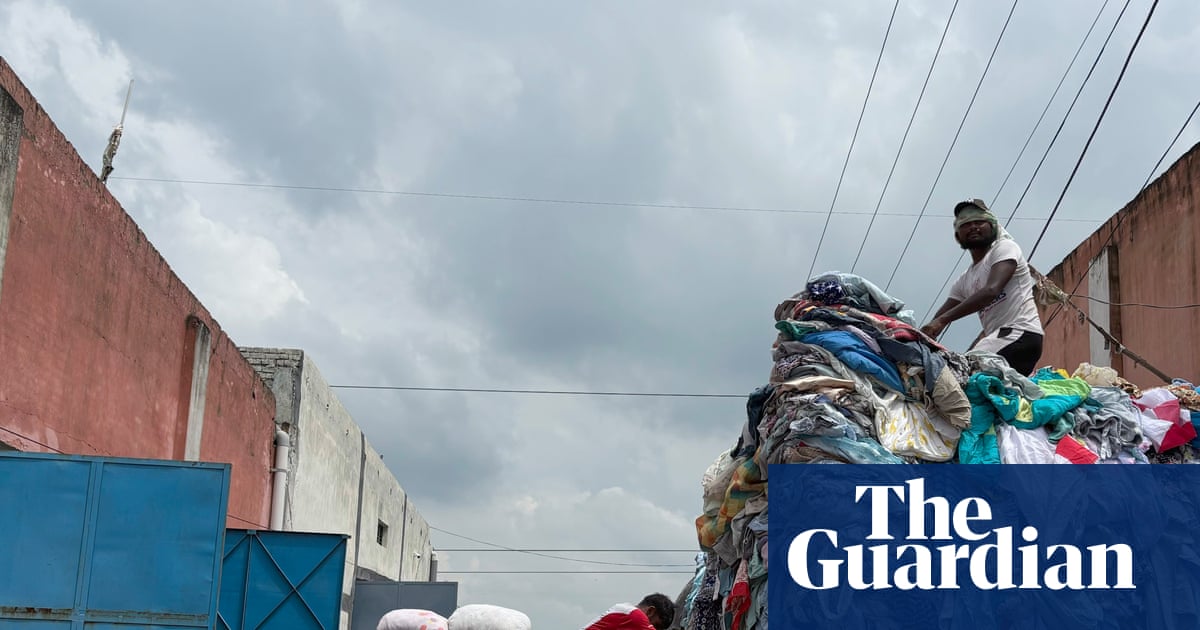
The Hidden Cost of Fast Fashion: A Health Crisis in Panipat’s Textile Hub
Panipat, India, is a global center for textile recycling, breathing new life into discarded clothing. Though, this vital industry comes at a steep and largely unseen price: a growing public health crisis impacting the families and workers within the region. A recent survey reveals a deeply troubling reality, and this article will delve into the environmental and human consequences, exploring the challenges and potential pathways toward a more sustainable future.
A Community Under Strain
Recent household surveys conducted near Panipat’s textile clusters paint a grim picture. Nearly 93% of families have reported serious health problems in the last five years, with a meaningful rise in noncommunicable diseases. High blood pressure, diabetes, and cardiovascular complications are now widespread among residents.
Furthermore, skin conditions like rashes and eczema are increasingly common, notably affecting children and women directly involved in laundry and water collection.you can imagine the daily exposure to harsh chemicals taking a toll on vulnerable populations.
The Root of the Problem: Untreated Industrial Waste
Environmental experts highlight a critical failure in waste management as the primary driver of these health issues. water treatment before industrial disposal is virtually nonexistent in Panipat. Effluent treatment plants are scarce, and the lack of proper infrastructure allows a constant stream of pollutants to enter the local water system.
Investigations by both Haryana’s and the central pollution control boards have uncovered numerous illegal industrial units discharging untreated waste directly into waterways. A recent ruling by India’s National Green Tribunal found that 31 out of 32 bleaching and dyeing units where operating illegally,directly contributing to the pollution. While the tribunal ordered their closure, enforcement remains a significant hurdle.
A Cycle of Non-Compliance
Unluckily, simply shutting down illegal operations isn’t a long-term solution. according to local advocates, approximately 150 illegal bleaching houses have been closed in the past five years, only to reappear under different names. This cycle of temporary bans, inconsistent enforcement, and a shortage of regulatory officials creates a system where pollution continues unabated.
Consider these key challenges:
* Temporary Bans: Closures are often short-lived, allowing units to quickly resume operations.
* Enforcement Gaps: Limited resources and personnel hinder consistent monitoring and compliance checks.
* Re-Registration: Units circumvent regulations by re-registering under new ownership.
Financial Penalties, Limited Recovery
even when fines are levied against polluting industries, their impact is diminished. Of the 5 billion rupees (approximately £42 million) in penalties assessed by the pollution board, only about 3.7 billion rupees has been recovered.
This raises serious questions about accountability. Fines are frequently reduced, left uncollected, or simply unenforced, undermining the deterrent effect of environmental regulations.
The Human Face of Pollution
The consequences of this pollution extend beyond statistics. Workers like Devi, who bring their young children to the textile units due to a lack of childcare options, face daily exposure to hazardous conditions. The fear of developing health problems similar to those experienced by her father-in-law is a constant worry.
“For now, this is the only way to survive,” Devi explains, highlighting the tough choices faced by families dependent on the textile industry for their livelihood.
Moving Towards a Sustainable Future
Panipat’s situation underscores a critical tension: the need for affordable textile recycling versus the protection of public health and the environment.While the Prime Minister has lauded Panipat as a ”global hub,” it’s crucial to acknowledge and address the hidden costs of this success.
Here are some potential steps toward a more sustainable model:
* Invest in Infrastructure: Prioritize the construction and maintenance of robust effluent treatment plants.
* Strengthen Enforcement: Increase the number of regulatory officials and empower them with the resources to conduct consistent monitoring and enforce regulations.
* Promote Openness: Implement a public reporting system for pollution levels and enforcement actions.
* Support Worker Safety: Provide access to protective equipment and healthcare for textile workers.
* Explore Sustainable Alternatives: Invest in research and development of eco-pleasant textile recycling processes.
Ultimately, a truly
Keep reading