For decades, the biological narrative of conception was straightforward: the father provided the genetic blueprint via the sperm, and the mother provided the cellular machinery and environmental support via the egg. In this traditional model, sperm were viewed as little more than delivery vehicles—biological torpedoes designed to transport a tightly packed bundle of DNA into the oocyte.
However, a growing body of research is rewriting this script, suggesting that fathers contribute far more than just a sequence of A, C, G, and T. Emerging evidence in the field of epigenetics indicates that a father’s lifestyle—his diet, stress levels, and physical activity—can leave molecular signatures on his sperm that influence the health and traits of his offspring. This phenomenon, known as paternal epigenetic inheritance, suggests that the “software” of a father’s life can influence the “hardware” of his children.
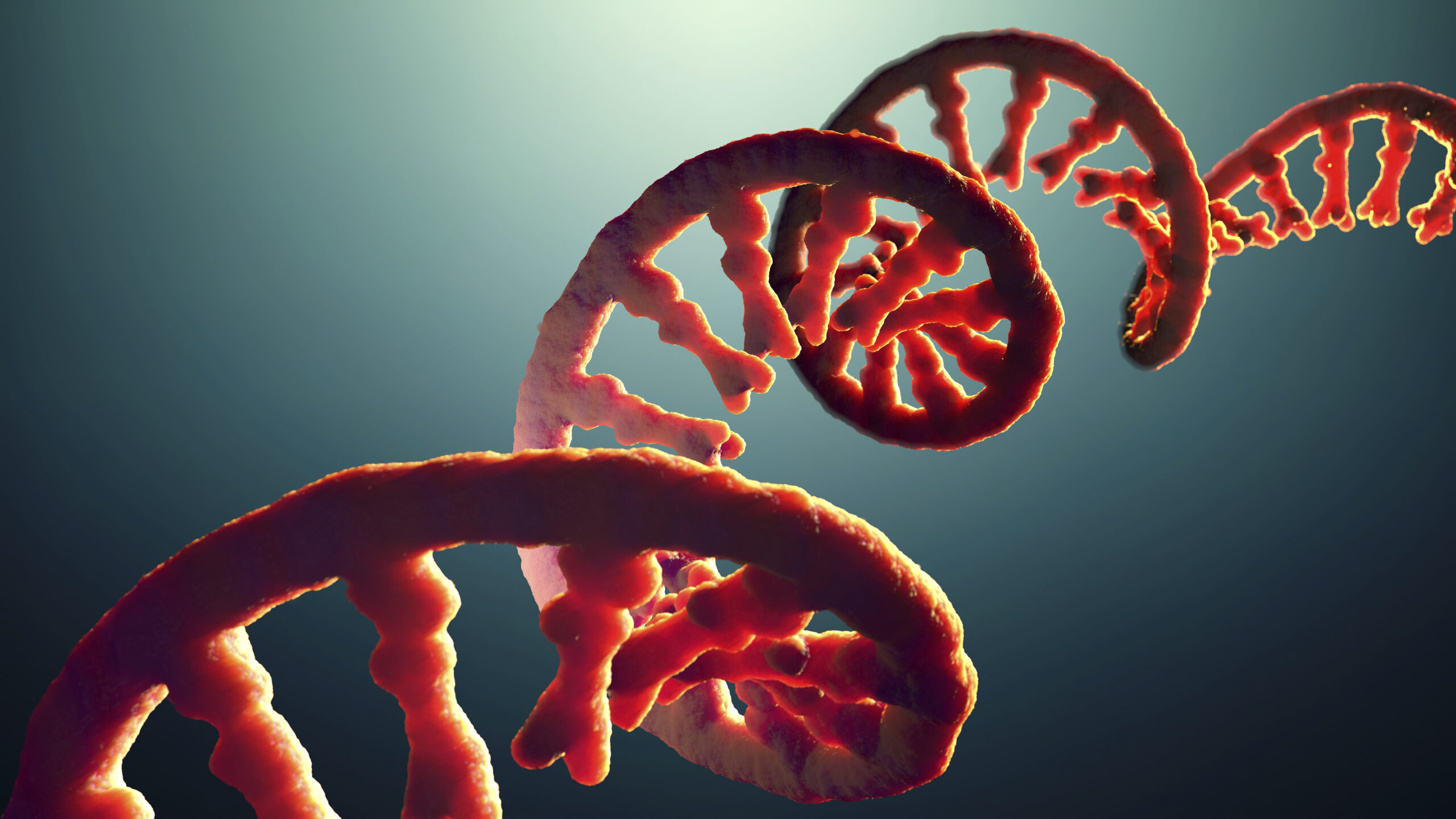
At the center of this discovery is not the DNA itself, but the RNA molecules that accompany it. While DNA is the permanent record, RNA often acts as a messenger or a regulator. Recent studies suggest that these RNA molecules can be altered by a father’s behavior and then passed to the next generation, potentially priming the offspring for certain physical or metabolic advantages—or disadvantages.
The Treadmill Test: Lessons from the Lab
The potential for inheriting physical fitness through non-genetic means has been highlighted by compelling research involving mouse models. In experiments led by researchers at Nanjing University, biochemist Xin Yin observed a striking trend: offspring of fathers who exercised regularly exhibited superior athletic performance compared to those whose fathers were sedentary.
In these studies, “born athletes” emerged from the same genetic stock as control groups, yet they were able to run farther and showed less lactic acid buildup during exertion. Crucially, these offspring had received no special training themselves. Their endurance appeared to be a biological legacy of their father’s pre-conception exercise habits.
This discovery challenges the notion that physical fitness is solely a product of one’s own effort or a fixed genetic lottery. Instead, it suggests that the act of exercising may actually “package” fitness information into the sperm, providing the next generation with a metabolic head start.
The Molecular Messenger: How Sperm RNA Works
To understand how a father’s workout can affect a child, one must look beyond the double helix. While DNA remains largely unchanged regardless of whether a man runs marathons or sits at a desk, the epigenome—the chemical tags and molecules that tell the DNA when to turn “on” or “off”—is highly dynamic.

Research indicates that small non-coding RNAs, particularly tRNA-derived small RNAs (tsRNAs), play a pivotal role in this process. These molecules are not intended to build proteins. instead, they act as regulators of gene expression. When a father exercises, the biochemical environment of his body changes, which in turn alters the payload of RNA fragments stored in the head of the sperm.
Upon fertilization, these RNA molecules enter the egg and can influence the early development of the embryo. They don’t change the genetic code, but they can change how that code is read. This means that the father’s fitness is essentially “programmed” into the embryo’s genomic activity, affecting how the offspring will later utilize energy, manage glucose, and build muscle.
The Broader Impact of Paternal Epigenetics
The implications of this research extend far beyond the gym. If exercise can pass down positive traits, it stands to reason that negative lifestyle choices can have similar transgenerational effects. The field of epigenetic inheritance has long explored how paternal malnutrition, obesity, and chronic stress can lead to metabolic disorders or anxiety in offspring.
This creates a paradigm shift in how we view reproductive health. Traditionally, prenatal care has focused almost exclusively on the health of the mother. However, the evidence regarding sperm RNA suggests that the “pre-conception window” for the father is equally critical. The health of the gametes at the moment of fertilization serves as a biological snapshot of the father’s current physiological state.
Researchers are now investigating whether these epigenetic markers can be reversed. If a sedentary father begins an exercise regimen before conceiving, can he “overwrite” negative markers with positive ones? Preliminary data suggests that epigenetic signatures are plastic, meaning that positive lifestyle interventions can potentially mitigate previous damage.
From Mice to Men: The Future of Human Health
While the results from Nanjing University and other institutions are groundbreaking, a critical distinction remains: most of this evidence comes from mouse models. Translating these findings to humans is a complex task, as human lifespans, reproductive cycles, and environmental variables are far more diverse than those in a controlled laboratory setting.

Despite this, the biological mechanisms—specifically the role of small RNAs in sperm—are conserved across many mammalian species. This increases the likelihood that similar processes are occurring in humans. Scientists are currently working to identify specific RNA biomarkers in human sperm that correlate with metabolic health, which could one day allow for personalized reproductive health screenings.
The shift toward recognizing paternal contribution to offspring health is also driving new conversations in public health. By emphasizing that a father’s fitness can benefit his unborn children, health advocates hope to encourage more men to adopt healthy lifestyles not just for their own longevity, but as a legacy for their future families.
As the scientific community continues to map the “dark matter” of the genome—the non-coding regions and regulatory molecules like RNA—the definition of heredity continues to expand. We are learning that we are not merely the sum of our genes, but the product of the lives lived by those who came before us.
The next major milestone in this research will be the publication of larger-scale human longitudinal studies that track the correlation between paternal activity levels and the metabolic markers of their children. These studies will be essential in confirming whether the “fitness payload” observed in rodents is a universal mammalian trait.
Do you believe your lifestyle choices today could impact your future children? Share your thoughts in the comments below and subscribe to the World Today Journal for more updates on the intersection of technology and biology.