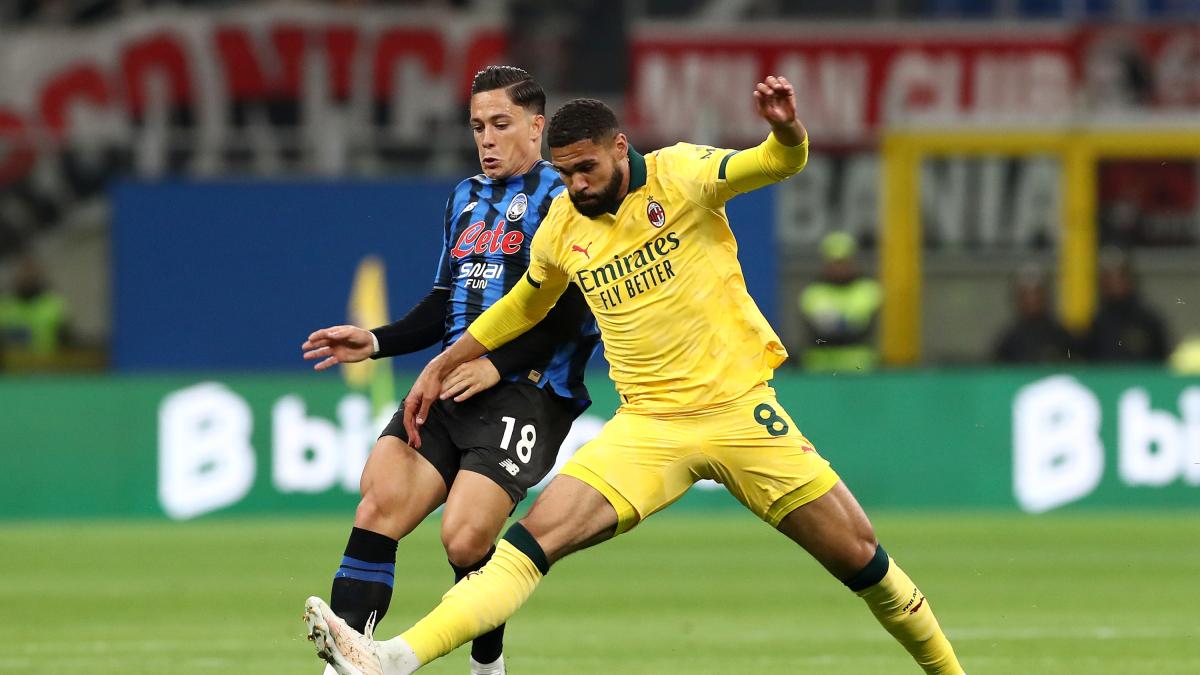
The atmosphere at San Siro, usually a fortress of intimidation for visiting sides, shifted from anticipation to disbelief as AC Milan suffered a bruising 3-2 defeat at the hands of Atalanta. In a match defined by tactical imbalances and individual inconsistencies, the Rossoneri found themselves outmaneuvered by a disciplined and clinical Bergamo side that exploited every crack in the home team’s armor.
This Milan Atalanta match analysis reveals a team in crisis, struggling to maintain its identity in the midfield and failing to secure the defensive stability required for a title charge or a guaranteed Champions League spot. While the scoreline suggests a competitive contest, the underlying metrics and player performances tell a story of a dominant Atalanta side and a Milan squad that looked disconnected and fragile.
For AC Milan, the loss is more than just three dropped points; it is a psychological blow. The inability to control the tempo of the game, combined with a defensive line that seemed permanently off-balance, has left the supporters questioning the current trajectory of the squad. As the pressure mounts, the focus shifts to the individual failures that paved the way for this San Siro collapse.
The Midfield Void: Loftus-Cheek’s Struggle
The most glaring issue for AC Milan was the complete disappearance of Ruben Loftus-Cheek from the game’s critical moments. In a high-stakes encounter where midfield dominance is the currency of victory, Loftus-Cheek operated as a ghost, failing to impose his physicality or provide the creative spark necessary to unlock the Atalanta defense.
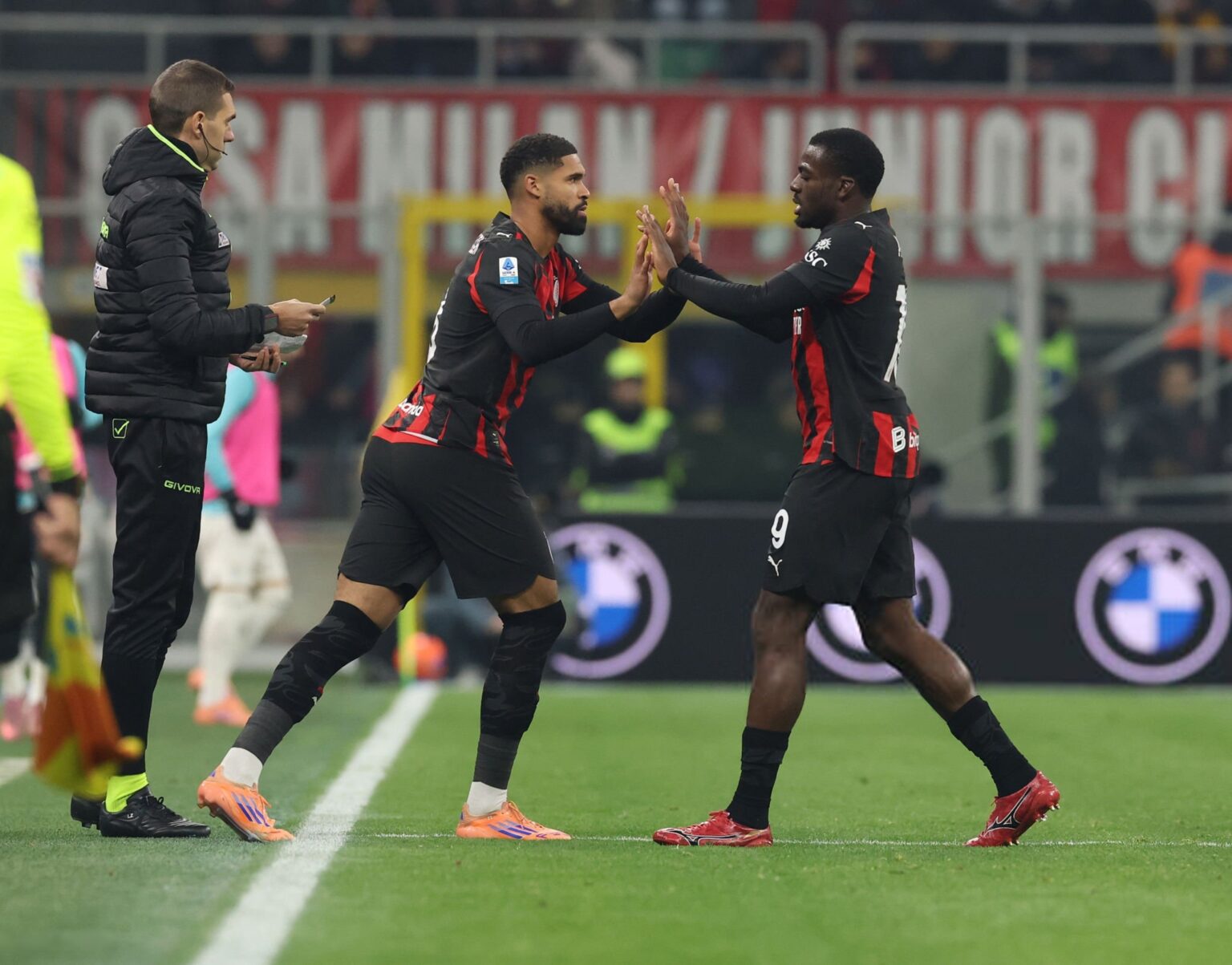
Analyses of the match highlight a disastrous outing for the English midfielder, who reportedly lost nearly every individual duel he contested. Whether in aerial battles or ground transitions, Loftus-Cheek was consistently beaten, leaving a vacuum in the center of the pitch that Atalanta exploited with ruthless efficiency. A rating of 4/10 reflects not just a lack of goals or assists, but a fundamental failure to perform the basic requirements of his role.
When a primary midfield engine fails to win duels, the ripple effect is felt across the entire pitch. The defense is left exposed to direct runs, and the forwards are starved of quality service. For Milan, the lack of a cohesive pivot meant that Atalanta could transition from defense to attack with minimal resistance, turning the midfield into a highway for the visiting side’s counter-attacks.
Ederson: The Architect of Atalanta’s Triumph
While Milan struggled to find their footing, Atalanta’s Ederson delivered a masterclass in modern midfield play. Operating with a blend of tactical intelligence and technical precision, Ederson was the heartbeat of the Bergamo side, dictating the rhythm of the match and providing the necessary link between the defensive line and the attacking third.
Ederson’s performance earned him a stellar 7.5 rating, with observers noting that any club capable of securing his services would be fortunate. His ability to resist pressure and distribute the ball with pinpoint accuracy ensured that Atalanta maintained possession in dangerous areas, keeping the Milan defense under constant stress.
Beyond the statistics, it was Ederson’s positioning that stood out. He effectively neutralized Milan’s attempts to build from the back, intercepting key passes and immediately launching transitions that put the Rossoneri on the back foot. His dominance in the center of the park was the primary reason Atalanta was able to dictate the terms of the engagement at San Siro.
A Defensive Nightmare and the Leão Enigma
The defensive display from AC Milan can only be described as a nightmare. The lack of communication between the center-backs and the full-backs resulted in a series of unmarked runs and catastrophic lapses in concentration. Three goals conceded at home is a statistic that will haunt the coaching staff, especially given the ease with which Atalanta penetrated the final third.
Adding to the frustration was the performance of Rafael Leão. Often the difference-maker for Milan, Leão appeared isolated and ineffective. His usual explosive pace and dribbling ability were neutralized by a disciplined Atalanta defensive block that refused to give him the space to operate. For a player of his caliber, a “disastrous” outing suggests a lack of chemistry with his supporting cast or a tactical failure to integrate him into the attacking flow.
The disconnect was evident in the final third. While Milan attempted to push forward to recover the game, their attacks were fragmented. The lack of a clinical edge and the inability to sustain pressure meant that their two goals felt more like opportunistic strikes than the result of a coherent offensive strategy.
Serie A Standings and the Champions League Race
The implications of this result extend far beyond a single matchday. The Serie A standings have shifted dramatically, placing AC Milan in a precarious position regarding their European ambitions. With Roma closing the gap and showing consistent form, the race for the top four has become a volatile scramble.
The risk of missing out on the Champions League is now a tangible threat. For a club of Milan’s stature, failing to secure a spot in Europe’s premier competition would be a financial and sporting disaster. The loss to Atalanta has not only stripped them of points but has also shaken the confidence of a squad that needs to find stability quickly to avoid a slide down the table.
Atalanta, conversely, continues to prove why they are one of the most dangerous teams in Italy. Their ability to win away at San Siro demonstrates a tactical maturity and a mental toughness that makes them genuine contenders for a top-four finish. By exploiting Milan’s weaknesses, they have positioned themselves as a primary disruptor in the league’s hierarchy.
Key Takeaways from Milan vs. Atalanta
- Final Score: Atalanta secured a 3-2 victory away at San Siro.
- Midfield Failure: Ruben Loftus-Cheek struggled significantly, losing the majority of his individual duels.
- Standout Performer: Ederson was the match’s dominant force, earning a 7.5 rating for his control of the game.
- Defensive Crisis: AC Milan’s backline showed critical vulnerabilities, leading to three conceded goals.
- League Impact: The result puts Milan’s Champions League qualification at risk as Roma gains ground in the standings.
What Happens Next for AC Milan?
The immediate priority for the Milan coaching staff must be a complete overhaul of the defensive organization. The “nightmare” experienced at San Siro cannot be repeated if the club hopes to salvage its season. This will likely involve a tactical shift in how the midfield protects the back four, specifically addressing the lack of intensity in the duel phase.
the management of Rafael Leão and Ruben Loftus-Cheek requires urgent attention. Whether through tactical adjustments or personnel changes, the team must find a way to maximize the output of its high-profile stars. A reliance on individual brilliance has failed; a return to collective discipline is the only way forward.
For the fans, the wait for the next fixture will be filled with anxiety. The pressure on the manager is mounting, and the demand for accountability will only increase if the next few matches do not yield positive results. The road to recovery begins with a return to the basics: winning the midfield battle and securing the defensive line.
The next confirmed checkpoint for AC Milan will be their upcoming league fixture, where they must secure a victory to halt their momentum slide and keep their Champions League hopes alive. Official team news and tactical previews will be released by the club ahead of the match.
Do you think AC Milan can still secure a Champions League spot after this collapse? Share your thoughts in the comments below and let us know who you believe was the biggest culprit in the San Siro defeat.
Related reading