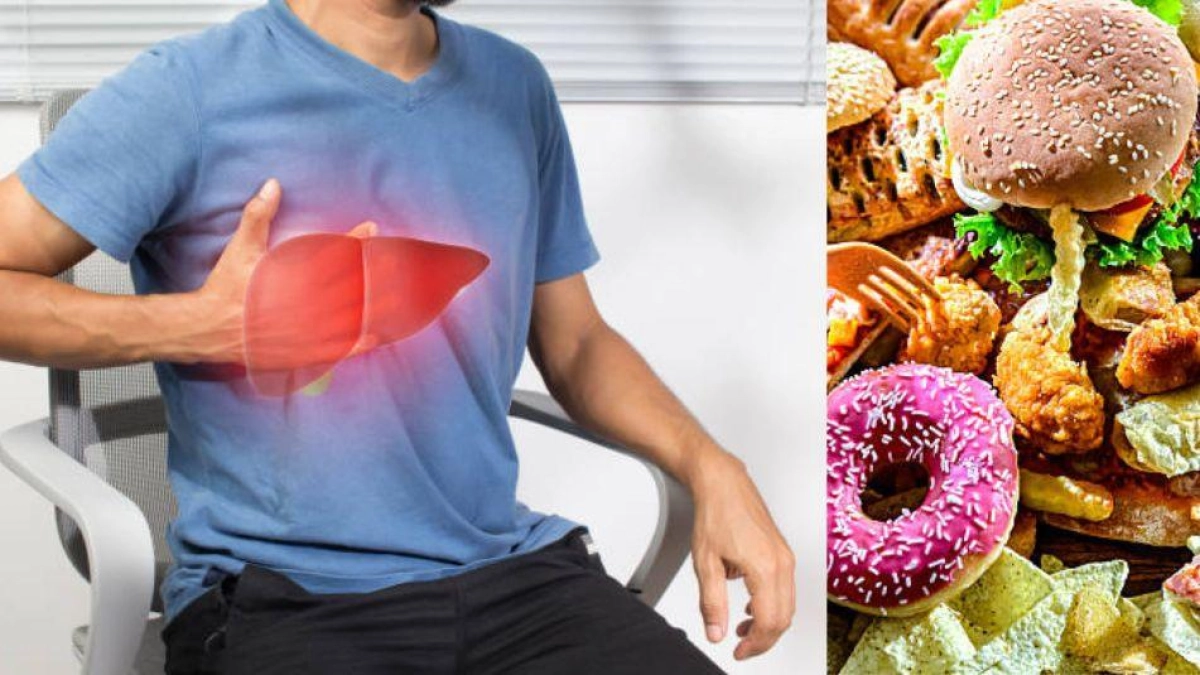
As a physician, I often emphasize to my patients that the liver is one of the most resilient organs in the human body, yet We see also one of the most susceptible to the long-term consequences of our daily dietary choices. Metabolic dysfunction–associated steatotic liver disease (MASLD)—formerly known as nonalcoholic fatty liver disease—has become a significant public health challenge worldwide. Understanding how metabolic dysfunction–associated steatotic liver disease progresses is essential for anyone looking to maintain long-term health, as this condition is frequently linked to the silent accumulation of excess fat within liver cells.
While many associate liver damage exclusively with alcohol consumption, clinical evidence highlights that dietary patterns play a profound role in the development and progression of fatty liver. The condition typically advances through four stages: simple steatosis (fat buildup), steatohepatitis (inflammation), fibrosis (scarring), and in severe cases, cirrhosis. According to clinical guidance provided by the National Institute of Diabetes and Digestive and Kidney Diseases, the primary strategy for managing this condition involves lifestyle modifications, including a balanced diet and regular physical activity, which remain the gold standard for improving hepatic health.
The Impact of Diet on Hepatic Health
The accumulation of fat in the liver is not merely a consequence of caloric surplus, but often a result of the types of nutrients we consume regularly. High intake of refined sugars, particularly fructose, and ultra-processed foods has been strongly correlated with an increased risk of developing metabolic complications. When the body is overwhelmed with more energy than it can utilize, the liver begins to store this excess as triglycerides, which can lead to inflammation and cellular stress over time. The World Health Organization emphasizes that reducing the intake of free sugars and saturated fats is a critical step in preventing non-communicable diseases, including those affecting the liver.

It is important for readers to recognize that symptoms of liver dysfunction are often absent in the early stages. Many individuals may feel generally fatigued or experience vague abdominal discomfort, which is frequently overlooked. Because the liver performs vital functions—including filtering toxins and processing nutrients—maintaining its integrity through a nutrient-dense diet is a proactive measure against the progression toward fibrosis. Scientific consensus, as documented by the American Association for the Study of Liver Diseases, suggests that sustained weight loss and the adoption of a Mediterranean-style diet, rich in healthy fats and fiber, can help reduce liver fat content and improve overall metabolic markers.
Practical Steps for Liver Protection
Transitioning to a liver-friendly diet does not require extreme measures, but rather consistent, sustainable changes. Focusing on whole, unprocessed foods is the most effective way to support your body’s natural detoxification processes. Consider these foundational principles to support your long-term wellness:
- Prioritize Whole Foods: Emphasize vegetables, fruits, legumes, and whole grains, which provide the fiber necessary to regulate blood sugar and insulin levels.
- Limit Added Sugars: Be mindful of hidden sugars in beverages, snacks, and processed sauces, as these are primary drivers of metabolic stress in the liver.
- Choose Healthy Fats: Replace saturated and trans fats with sources of monounsaturated and omega-3 fatty acids, such as olive oil, nuts, and fatty fish.
- Consult Professionals: If you have concerns about your liver health, it is essential to consult with a primary care physician or a hepatologist for appropriate screening and personalized guidance.
The progression from simple fatty liver to more severe conditions is not inevitable. With early intervention and a commitment to a balanced lifestyle, the liver possesses a remarkable capacity for recovery. As we continue to navigate a landscape filled with conflicting nutritional advice, relying on verified, science-backed guidance remains the most reliable path to health.
Understanding the Stages of Liver Damage
It is helpful to view the liver’s health as a spectrum. In the initial stage, known as hepatic steatosis, the liver contains more fat than is considered normal, though it may not yet show signs of inflammation or damage. If left unaddressed, the condition may progress to steatohepatitis, where the excess fat leads to inflammation. Persistent inflammation can eventually cause fibrosis, or the development of scar tissue. In the most severe instances, cirrhosis occurs, representing widespread scarring that impairs the organ’s ability to function correctly. Keeping informed through resources such as the Centers for Disease Control and Prevention can help you stay updated on the latest public health data regarding liver disease statistics and preventive measures.
We encourage our readers to prioritize their metabolic health by staying informed, and proactive. If you have questions about your personal health journey or would like to share your experiences with lifestyle changes, please feel free to leave a comment below. For those seeking the latest updates on medical research and health policy, stay tuned to our upcoming reports as we continue to track developments in metabolic health and internal medicine.
Keep reading