The U.S. Federal Communications Commission added foreign-manufactured advanced robotic devices and connected power inverters to its Covered List on Tuesday, July 28. The ban targets imports of new limbed robots, quadrupeds, and robot vacuums from countries like China, citing supply chain and cybersecurity vulnerabilities for critical infrastructure.
The Trump administration unveiled sweeping trade restrictions targeting new foreign robotics and energy hardware, seeking to protect the U.S. artificial intelligence buildout from national security threats and reshore critical manufacturing industries. Published on Tuesday, July 28, the Federal Communications Commission measure bars Chinese imports of new humanoid and quadruped robots, alongside connected power inverters that link renewable energy sources and batteries to electrical grids and data center equipment.
Federal Communications Commission Targets Limbed Robots and Vacuums
The regulatory update adds advanced robotic devices made outside the U.S. to the agency’s Covered List. This restricted inventory catalogs communications equipment and services deemed to pose an unacceptable risk to national security, stripping them of the equipment authorization required to import or sell electronic goods inside the country. While the administration’s announcement explicitly highlights limbed systems like humanoids and quadrupeds—such as XPENG’s humanoid IRON robot and Unitree’s Go2 Pro Robot Dog—the broad administrative definition captures autonomous mobile systems weighing over 4.4 pounds that feature environmental sensors, network connectivity speeds of at least 200 kbps, and local or remote AI navigation software.
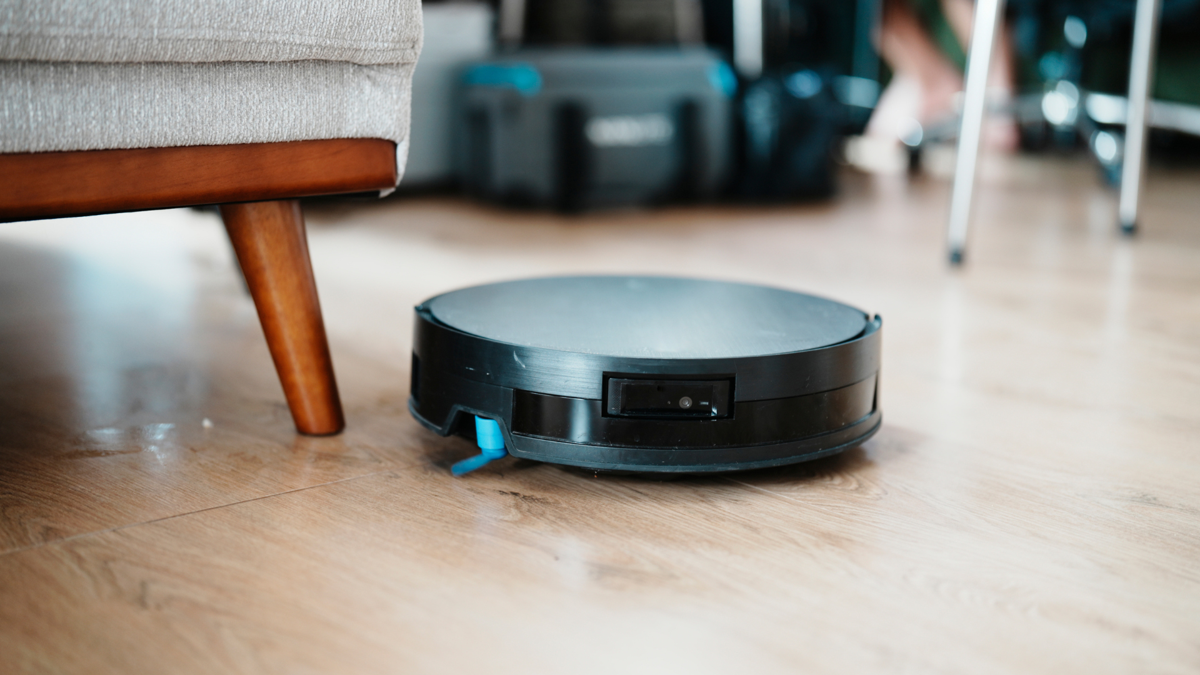
That technical scope sweeps in consumer hardware including robot vacuums from brands such as Roborock, Ecovacs, Dreame, and Samsung. Because these automated cleaners rely on local sensors and independent navigation algorithms to map homes, they satisfy the federal criteria for restricted mobile robotics. Current owners are not required to discard existing machines, and previously authorized models already present in the domestic market retain their authorization. However, unapproved new models face a complete bar from entering U.S. commerce.
Security Vulnerabilities and Supply Chain Stakes
Federal regulators point to inherent architectural risks in connected mechanical systems as the primary justification for the rule. The networked capabilities of advanced robotic systems create extensive vulnerabilities and vectors for attacks that can manipulate the data and physical operation of the advanced robotic system,
the National Security Determination states, adding that relying on foreign-produced hardware presents unacceptable supply chain and cybersecurity vulnerabilities.
To illustrate potential hazards, the government’s determination cites a security incident from earlier in the year where a software engineer accessed video, audio, and map data across thousands of devices globally after hacking a DJI Romo robot vacuum. While tech analysts note that software vulnerabilities occur across domestic firms like Amazon, Meta, and Uber as well, Washington views foreign-manufactured connected hardware through a stricter national security lens. Officials emphasize that networked robots collect sensitive operational data that could be exploited by foreign intelligence services or used to remotely commandeer hardware.
The restrictions land heavily on an industry heavily concentrated overseas. The vast majority of robot vacuums are built outside the United States, with five Chinese manufacturers commanding nearly 70 percent of the global market share as of 2025. Domestic manufacturing capacity remains sparse, compounded by the bankruptcy last year of California-based Roomba maker iRobot, which was subsequently acquired by Chinese robotics firm Picea.
Market Impact on Humanoid Robotics and International Retaliation
In the humanoid sector, the ruling places Chinese manufacturer Unitree directly in the regulatory crosshairs. Unitree commands just under a fifth of the global market share and recently partnered with Nvidia to utilize Blackwell chips for robot processing, though Nvidia maintained that data from those machines would remain inside the U.S. and that primary buyers are academic institutions. Unitree was also recently added to the Pentagon’s roster of alleged Chinese military-backed enterprises.

Beijing sharply condemned the announcement. The Chinese embassy in Washington urged American authorities to respect rational voices within both business communities and demanded an immediate end to what it termed the smearing and sanctioning of Chinese enterprises. The embassy warned that Beijing would take all necessary steps to safeguard its national interests, leaving open the possibility of retaliatory export controls on critical minerals or market access restrictions for U.S. firms.
Despite the broad scope of the new prohibitions, exemptions remain possible. Meanwhile, four industry sources indicate the commission will likely carve out non-Chinese suppliers from the restrictions, mirroring exclusions granted during prior actions against foreign drones and routers.