
For the first time in medical history, patients with chronic hepatitis delta virus (HDV) infection now have an FDA-approved treatment. On May 22, 2026, the U.S. Food and Drug Administration (FDA) approved Hepcludex (bulevirtide-gmod), marking a landmark moment for a disease that has long been considered incurable. This injection, developed by Gilead Sciences, targets HDV—a virus that only infects those already living with hepatitis B (HBV)—and offers a critical new option for managing a condition that can rapidly progress to liver failure, cirrhosis, and death.
The approval fills a decades-long void in treatment options. Until now, no FDA-approved therapies existed for chronic HDV, leaving patients with limited alternatives beyond supportive care. “Today’s approval fills a critical gap in care for patients with chronic HDV infection, who until now have had no FDA-approved therapies available,” said Wendy Carter, D.O., Acting Director of the Office of Infectious Diseases in the FDA’s Center for Drug Evaluation and Research. The statement underscores the urgency of the need—HDV affects an estimated 20–30 million people worldwide, yet its severity often goes unrecognized.
Hepcludex’s arrival is particularly significant because HDV is the most severe form of viral hepatitis, capable of accelerating liver damage far more rapidly than HBV alone. Without treatment, HDV can lead to liver fibrosis (scarring) within months, increasing the risk of hepatocellular carcinoma (liver cancer) and the need for transplants. The new drug’s approval comes after rigorous clinical trials demonstrating its safety and efficacy in reducing viral load—a critical step toward slowing disease progression.
How Hepcludex Works: A First-of-Its-Kind Mechanism
Hepcludex belongs to a novel class of drugs called entry inhibitors. Unlike antiviral therapies that target viral replication, bulevirtide blocks the virus from entering liver cells in the first place. This mechanism is particularly innovative because HDV relies on HBV for its lifecycle—making it uniquely challenging to treat. The drug’s approval is based on Trial MYR301, a phase 3 study where 48% of patients achieved a combined response (undetectable HDV RNA and normalized liver enzymes) after 48 weeks of treatment, compared to just 2% in the delayed-treatment group.
Key details from the trial, published in the FDA’s press announcement:
- Dosage: 8.5 mg once daily for up to 144 weeks.
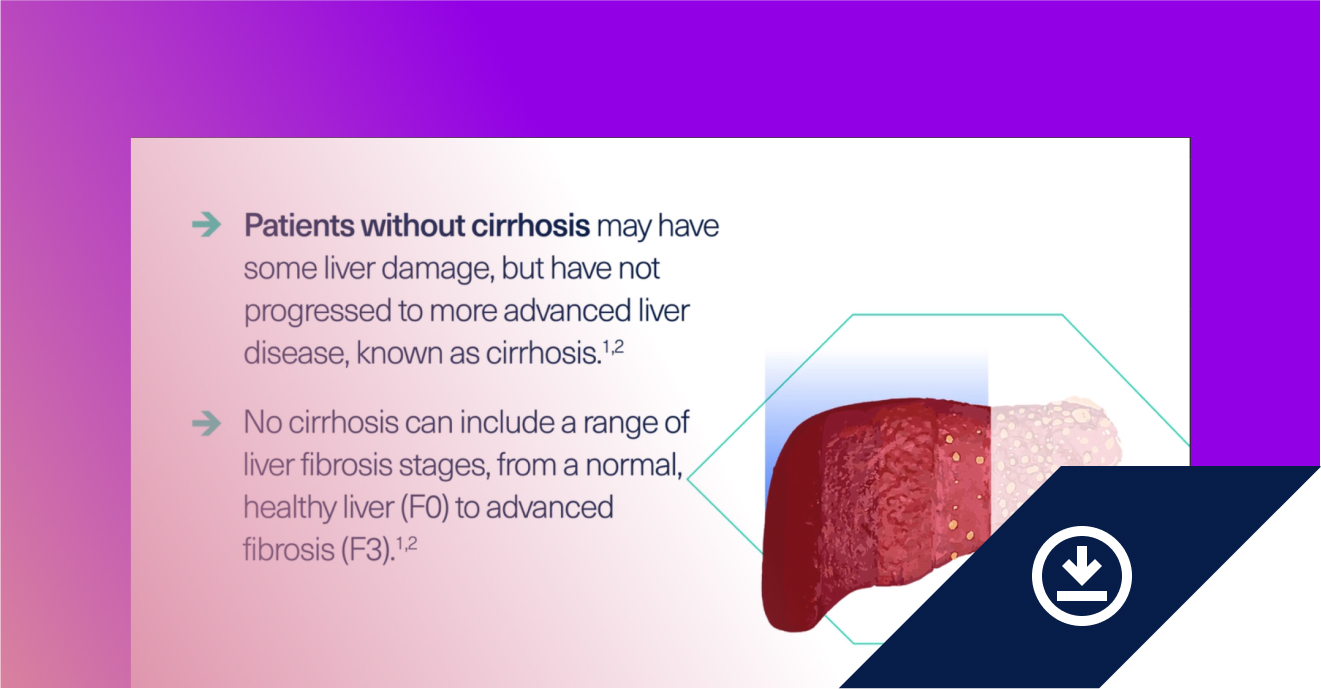
- Population: Approved for adults without cirrhosis or with compensated cirrhosis (early-stage liver scarring).
- Safety: No new safety concerns identified in the trial.
While the drug shows promise, experts note that HDV remains a complex disease. “This is a major step forward, but it’s not a cure,” says Dr. Jordan Feld, a hepatologist at Toronto General Hospital who has studied HDV for over a decade. “The goal now is to combine Hepcludex with existing HBV therapies to achieve sustained remission.” The FDA’s approval does not extend to decompensated cirrhosis (advanced liver disease), leaving some patients still in need of alternative approaches.
Who Is Affected? Understanding Hepatitis D’s Global Burden
Hepatitis D is often called the “forgotten virus” because it receives far less attention than HBV or HCV. Yet it disproportionately affects regions with high HBV prevalence, including:
- Sub-Saharan Africa: Up to 5% of HBV patients may also have HDV.
- Eastern Europe: HDV coinfection rates exceed 10% in some areas.
- South America: Indigenous populations face elevated risks due to limited healthcare access.
The World Health Organization (WHO) estimates that HDV causes 20,000 deaths annually, primarily from liver-related complications. The disease spreads through blood exposure, including unprotected sex, shared needles, and medical procedures in high-risk settings. Notably, HBV vaccination—already a cornerstone of global health—also protects against HDV, highlighting the importance of preventive measures alongside new treatments.
What Happens Next? Access, Costs, and the Road Ahead
The FDA’s approval is just the first step. Gilead Sciences, the drug’s developer, has not yet announced pricing or global availability, but stakeholders are already weighing the implications:
- Cost: If priced similarly to other injectable antivirals (e.g., $50,000–$100,000/year), access could be limited in low-income countries.
- Combination Therapy: Experts anticipate Hepcludex will be used alongside HBV treatments like tenofovir or entecavir.
- Regulatory Pathways: The European Medicines Agency (EMA) is reviewing bulevirtide, with a decision expected in late 2026.
Dr. Carter emphasized that the FDA will continue monitoring Hepcludex’s real-world performance through post-marketing studies. “This approval is about immediate relief for patients, but also about data collection to refine future therapies,” she said. For now, patients with HDV should consult their healthcare providers to determine eligibility, as the drug is not yet widely distributed.
Key Takeaways: What Patients and Providers Need to Know
- First FDA-approved HDV treatment: Hepcludex is the only drug specifically approved for chronic hepatitis D.
- Not a cure, but a game-changer: Reduces viral load and slows liver damage in clinical trials.
- Limited to early-stage liver disease: Not approved for advanced cirrhosis or liver failure.
- Global implications: HDV is endemic in regions with poor HBV vaccination coverage.
- Next steps: Pricing, distribution, and combination therapy protocols are under development.
FAQ: Hepcludex and Hepatitis D – Your Questions Answered
1. Is Hepcludex safe?
The FDA’s approval is based on clinical trial data showing no new safety signals. Common side effects may include injection-site reactions or mild gastrointestinal symptoms, but serious adverse events were rare in the study population.

2. How long do patients need to take Hepcludex?
The approved regimen is 8.5 mg once daily for up to 144 weeks (3 years). Longer-term data will determine if shorter durations are effective.
3. Will Hepcludex be available outside the U.S.?
Regulatory submissions are underway in Europe and other regions. The EMA’s decision is expected in late 2026, with potential approvals in 2027.
4. Can Hepcludex be used with other hepatitis medications?
Yes. The drug is designed to be used alongside HBV therapies like tenofovir or entecavir, which are standard for HBV/HDV coinfection.
5. How do I know if I have hepatitis D?
HDV testing requires an HDV RNA or antibody test, typically ordered if HBV is detected. The CDC recommends screening for high-risk individuals, including people with HBV or a history of injection drug use.
Looking Ahead: The Next Frontier in HDV Research
While Hepcludex is a breakthrough, researchers are already exploring:
- Combination therapies: Trials are underway to test bulevirtide with RNA interference drugs.
- Vaccine development: A universal HBV/HDV vaccine could prevent infections entirely.
- Global access programs: Organizations like the WHO are advocating for affordable pricing in low-resource settings.
The FDA’s approval of Hepcludex is a testament to the power of medical innovation—but it also shines a light on the millions still at risk. As Dr. Carter noted, “This is just the beginning.” For patients, providers, and policymakers alike, the focus now shifts to ensuring equitable access and building on this milestone to eradicate HDV entirely.
Next Steps: The FDA will release post-marketing surveillance updates in 2027. For the latest on Hepcludex, monitor:
Have questions about Hepcludex or hepatitis D? Share your thoughts in the comments below—or tag @WorldTodayJ to join the conversation.
Keep reading