FDA Grants Breakthrough Device Designation to Rapid Tests for Drug-Resistant Infections
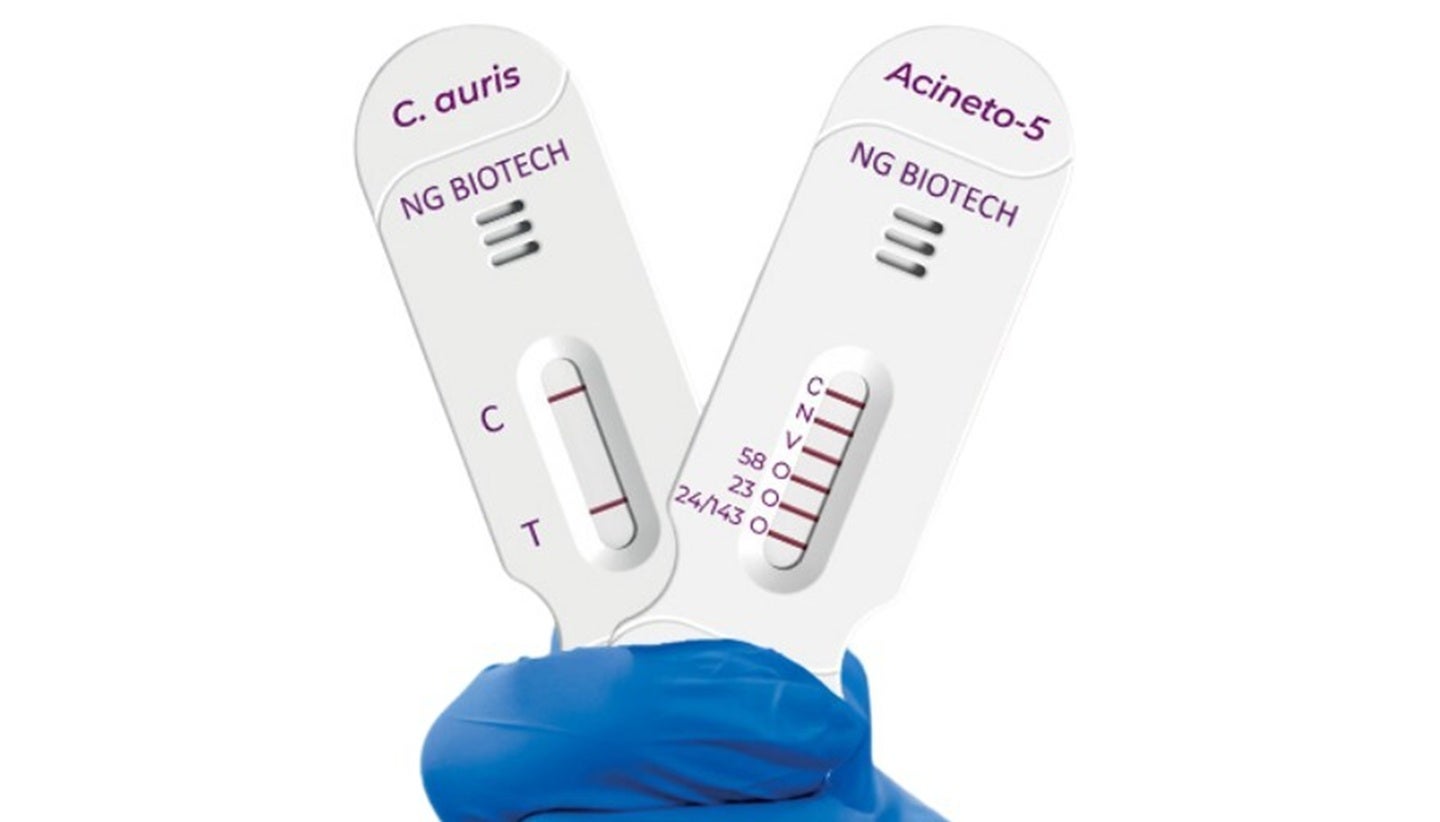
The fight against antimicrobial resistance received a significant boost this week with the U.S. Food and Drug Administration (FDA) granting breakthrough device designation to two rapid diagnostic assays developed by NG Biotech and distributed by Hardy Diagnostics. These tests, NG-TEST Candida auris and NG-TEST Acineto-5, promise to dramatically shorten the time required to identify critical drug-resistant pathogens, potentially improving patient outcomes and curbing the spread of these dangerous infections. The development comes at a time of increasing global concern over the rise of organisms resistant to multiple drugs, posing a serious threat to public health systems worldwide.
Both Candida auris and Acinetobacter baumannii have been identified as priority pathogens by the World Health Organization (WHO), reflecting their increasing prevalence and the challenges they present to treatment. Candida auris, an emerging multidrug-resistant yeast, has been linked to outbreaks in healthcare settings, often causing severe illness and high mortality rates. Acinetobacter baumannii, particularly carbapenem-resistant strains (CRAB), is a common cause of hospital-acquired infections, known for its ability to rapidly transmit within healthcare environments and its resistance to many antibiotics. The FDA’s designation acknowledges the urgent necessitate for more effective diagnostic tools to combat these threats.
Rapid Detection: A Game Changer in Infection Control
Currently, identifying these pathogens often relies on traditional laboratory methods that can take days to yield results. This delay can hinder timely treatment decisions and contribute to the spread of infection. The NG-TEST assays offer a significant advantage by providing results within 15 minutes, directly from cultured samples. This speed is crucial for implementing appropriate infection control measures and initiating targeted therapies, potentially saving lives and reducing healthcare costs.
NG-TEST Candida auris is a lateral flow immunoassay, a type of diagnostic test that detects the presence of a specific substance—in this case, the Candida auris yeast—using antibodies. The test’s rapid turnaround time allows for quicker isolation of infected patients and implementation of stringent hygiene protocols to prevent further transmission. Similarly, NG-TEST Acineto-5 is designed to identify and differentiate five major carbapenemase families – OXA-24/143-like, OXA-23-like, VIM, OXA-58-like, and NDM – produced by Acinetobacter baumannii. Carbapenemases are enzymes that break down carbapenem antibiotics, rendering them ineffective. Identifying the specific carbapenemase present is vital for guiding appropriate antibiotic stewardship and preventing the spread of resistance.
How the Tests Work and Their Potential Impact
The NG-TEST Acineto-5 assay’s ability to differentiate between these five carbapenemase families is particularly noteworthy. According to the FDA, this level of specificity can help clinicians understand the mechanisms of resistance and select the most effective treatment options. The assay operates without the need for polymerase chain reaction (PCR) or specialized laboratory equipment, streamlining the diagnostic workflow and making it accessible to a wider range of healthcare facilities. This is a significant advantage, particularly in resource-limited settings where access to advanced laboratory technology may be limited.
Published studies have demonstrated a 100% concordance between NG-TEST Acineto-5 results and those obtained using reference methods across multiple isolates, further validating its accuracy and reliability. As reported by Infectious Disease Special Edition, this high level of accuracy supports its potential use in outbreak response and infection control efforts.
Collaboration and Availability
NG Biotech, based in France, developed and manufactured the assays, while Hardy Diagnostics, a US-based company specializing in microbiology, serves as the exclusive distributor in the United States. Currently, both tests are available for research use only, pending ongoing review by the FDA. The breakthrough device designation is intended to expedite the review process, potentially bringing these life-saving diagnostics to clinical use sooner.
Milovan Stankov-Pugès, CEO of NG Biotech, emphasized the significance of the FDA designation, stating, “These breakthrough designations validate both the technology behind our assays and the real-world need they address.” Andre Hsiung, chief scientific officer at Hardy Diagnostics, echoed this sentiment, adding, “The designation underscores the growing urgency around rapid detection of multi-drug-resistant organisms that pose serious risks in healthcare settings.”
The FDA Breakthrough Device Program
The FDA’s Breakthrough Device Program is designed to accelerate the development and review of innovative medical devices that have the potential to provide more effective treatment options for life-threatening or irreversibly debilitating diseases or conditions. To qualify for the program, a device must demonstrate a significant advantage over existing therapies and address an unmet medical need. The program provides manufacturers with access to FDA resources and expertise, as well as opportunities for expedited review and approval.
The increasing threat of antimicrobial resistance is a global health crisis, demanding innovative solutions. The development of rapid diagnostic tests like NG-TEST Candida auris and NG-TEST Acineto-5 represents a crucial step forward in our ability to effectively combat these infections and protect public health. The FDA’s breakthrough device designation signals a commitment to supporting the development and adoption of these potentially life-saving technologies.
Looking Ahead
The next step for NG Biotech and Hardy Diagnostics is to complete the FDA review process and secure full approval for clinical use. The companies are continuing to gather data and refine their assays to ensure optimal performance and reliability. Pending approval, these tests could become an invaluable tool for healthcare professionals in the fight against drug-resistant infections, enabling faster diagnosis, more targeted treatment, and improved patient outcomes.
The ongoing battle against antimicrobial resistance requires a multifaceted approach, including responsible antibiotic use, improved infection control practices, and the development of novel diagnostic and therapeutic strategies. Rapid diagnostic tests like those developed by NG Biotech and Hardy Diagnostics are essential components of this effort, providing clinicians with the information they need to develop informed decisions and protect patients from the devastating consequences of drug-resistant infections.
What are your thoughts on the potential impact of these rapid diagnostic tests? Share your comments below, and please share this article with your colleagues.