
The pursuit of a pharmacological solution for Prader-Willi syndrome (PWS) has encountered a significant regulatory hurdle. The U.S. Food and Drug Administration (FDA) has placed a full clinical hold on the development of a metabolic drug candidate from Aardvark Therapeutics, effectively halting all ongoing tests of the small molecule treatment.
This regulatory action comes after a period of uncertainty for the company, which had previously implemented a voluntary pause in its testing protocols. The decision to stop the trials follows the emergence of a cardiovascular problem in a healthy volunteer, raising critical safety concerns that must be addressed before the FDA will allow the studies to resume.
For the families and patients living with Prader-Willi syndrome, this development is a sobering reminder of the volatility inherent in rare disease drug development. PWS is a complex, inherited metabolic disorder characterized primarily by hyperphagia—an insatiable, lifelong hunger that often leads to severe obesity and associated comorbidities if not strictly managed.
As a physician and journalist, I have seen how the promise of a “breakthrough” can offer immense hope to the PWS community. However, the FDA’s primary mandate is the protection of human subjects. A full clinical hold is the agency’s most stringent tool for ensuring that potential risks are fully understood and mitigated before further exposure occurs.
Understanding the FDA Full Clinical Hold
In the world of clinical research, a “clinical hold” is an order issued by the FDA to the sponsor of an investigational new drug (IND) application. While a partial hold might only stop the enrollment of new patients, a full clinical hold is a comprehensive stop. It requires that all dosing of the investigational drug cease immediately and prevents the recruitment of any new participants.
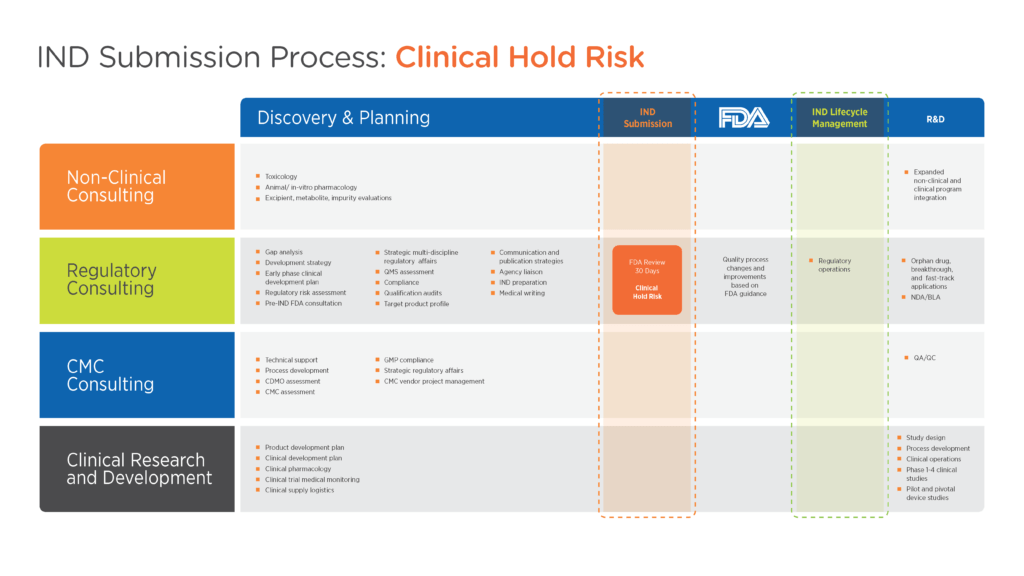
According to the U.S. Food and Drug Administration, such holds are typically triggered when the agency determines that human subjects are being exposed to an unreasonable and significant risk of illness or injury. In the case of Aardvark Therapeutics, the trigger was a cardiovascular event observed in a healthy volunteer, a signal that the FDA views with high priority given the potential for systemic toxicity or adverse hemodynamic effects.
To lift a clinical hold, the sponsor must provide a complete response to the FDA’s concerns. This typically involves:
- A detailed analysis of the adverse event that triggered the hold.
- Additional preclinical data or modified study protocols to mitigate the risk.
- A revised safety monitoring plan to protect future participants.
The path forward for Aardvark Therapeutics now depends on their ability to prove that the cardiovascular issue was an isolated incident or a manageable side effect that does not outweigh the potential benefit of the drug for PWS patients.
The Challenge of Treating Prader-Willi Syndrome
Prader-Willi syndrome is not merely a struggle with appetite; it is a profound genetic failure of the mechanisms that regulate satiety and energy expenditure. The disorder is caused by a loss of function of specific genes on the paternal copy of chromosome 15. This genetic deficiency disrupts the hypothalamus, the region of the brain responsible for hunger, thirst, and temperature regulation.
The resulting hyperphagia is relentless. Patients often experience an obsessive preoccupation with food, which, coupled with a lower-than-average metabolic rate, makes obesity almost inevitable without 24-hour supervision and locked kitchens. Beyond the physical challenges, PWS is associated with cognitive impairment, behavioral issues, and endocrine deficiencies, such as growth hormone deficiency.
Because no FDA-approved medication currently exists to specifically target the hyperphagia associated with PWS, the medical community has relied on behavioral interventions and off-label uses of other appetite suppressants. A small molecule drug specifically engineered for the metabolic pathways of PWS represents a “holy grail” in the field of endocrinology, which is why the current hold is particularly disappointing for stakeholders.
Cardiovascular Safety in Metabolic Drug Development
The emergence of a cardiovascular problem in a healthy volunteer is a serious red flag in drug development. When testing small molecules that target metabolic or hormonal pathways, researchers must be vigilant about “off-target effects.” This happens when a drug designed to hit one receptor (such as those controlling hunger) inadvertently binds to another receptor in the heart or blood vessels.
In metabolic research, cardiovascular safety is paramount because the target population—people with PWS—is already at an elevated risk for heart disease due to obesity, sleep apnea, and glucose intolerance. A drug that introduces additional cardiovascular strain could potentially do more harm than good, even if it successfully reduces hunger.
The fact that Aardvark Therapeutics initially paused tests voluntarily suggests that the company recognized the signal early. However, the transition from a voluntary pause to a formal FDA clinical hold indicates that the agency believes more rigorous data or structural changes to the trial are necessary to ensure participant safety.
What This Means for the Rare Disease Pipeline
This incident highlights the precarious nature of the “orphan drug” pipeline. Developing treatments for rare diseases like Prader-Willi syndrome is an immense financial and scientific risk. Small biotech firms often operate with limited portfolios, meaning a single clinical hold can jeopardize the entire company’s viability.
However, these setbacks are a necessary part of the scientific method. The rigor of the FDA process ensures that when a drug finally reaches the market, it has a verified safety profile. For the PWS community, the goal is not just any treatment, but a safe and sustainable one. A drug that solves hyperphagia but damages the heart would be an unacceptable trade-off.
Patients and caregivers seeking updates on PWS treatments are encouraged to monitor official regulatory filings and consult with their healthcare providers regarding current management strategies. While the wait for a targeted therapy continues, the focus remains on multidisciplinary care to manage the complex symptoms of the disorder.
The next critical checkpoint for Aardvark Therapeutics will be the submission of their formal response to the FDA’s clinical hold order. The agency will then review the data to determine if the hold can be lifted or if the drug candidate is too risky to proceed.
Do you have experience navigating rare disease clinical trials or managing PWS? Share your thoughts and questions in the comments below.
Related reading