FDA Leadership in crisis: Top Drug Regulator Richard Pazdur Abruptly Retires
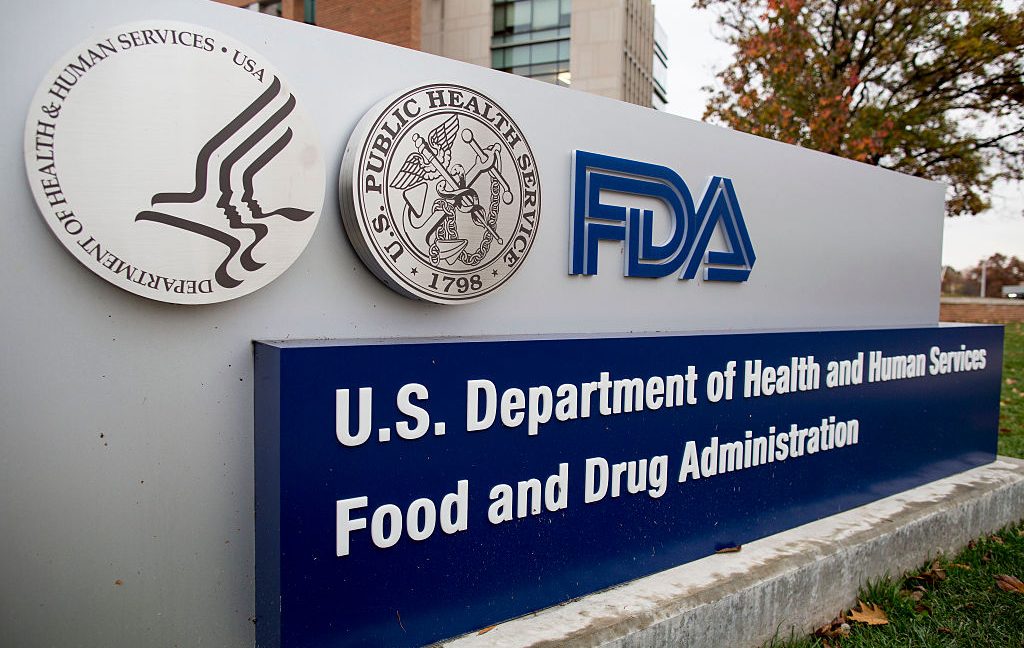
The Food and Drug administration (FDA) is facing renewed turmoil as richard pazdur, the agencyS top drug regulator, announced his retirement just three weeks after assuming the leading position at the Center for Drug Evaluation and research (CDER). This unexpected departure raises serious questions about the FDA’s stability and direction, particularly as it navigates increasing scrutiny and industry concerns.
But what exactly led to this sudden exit? And what does it meen for the future of drug approvals and public health? Let’s delve into the details.
A Troubled Transition
Pazdur, a respected oncologist with over two decades of service at the FDA sence 1999, was initially welcomed as a stabilizing force. He stepped into the role on November 11th, inheriting a challenging situation following the departure of his predecessor, George Tidmarsh. Tidmarsh left amid allegations of abusing his position for personal grievances – a scandal that prompted some to label the agency a “clown show.”
Industry groups weren’t shy about voicing their concerns either, describing the FDA as “erratic and unpredictable.” Pazdur’s appointment offered a glimmer of hope for restoring confidence. Though, that hope quickly faded.
Clash with the Commissioner: A Matter of Principle
Within days of taking office,Pazdur reportedly expressed “deep concerns” regarding FDA Commissioner Marty Makary’s ambitious plans to overhaul and accelerate agency operations. Thes weren’t minor disagreements; they struck at the core of the FDA’s regulatory process and potential impact on public safety.
Specifically, Pazdur objected to:
* Reduced Study Requirements: Makary proposed lowering the number of studies needed for crucial drug-related decisions, like label changes. Pazdur feared this could compromise thoroughness and patient safety.
* Accelerated Drug Reviews: While faster approvals sound appealing, Pazdur believed Makary’s plan lacked transparency and possibly violated legal standards.
* Political Interference in Scientific Review: A particularly contentious point was Makary’s intention to exclude career scientists from reviewing drugs prioritized for political reasons. Pazdur strongly opposed this, advocating for the integrity of the scientific process.
These basic disagreements created an untenable situation, ultimately leading to Pazdur’s resignation.
What Does This Mean for You?
This leadership vacuum at the FDA has significant implications. You, as a patient, rely on the FDA to ensure the medications you take are safe and effective. A destabilized agency, plagued by internal conflict and potentially compromised processes, could jeopardize that trust.
Here are some key questions to consider:
* Will drug approvals become rushed and less rigorous?
* Will political considerations outweigh scientific evidence in decision-making?
* How will the FDA regain the confidence of the public and the pharmaceutical industry?
The answers to these questions remain uncertain, but the situation demands close attention.
Evergreen Insights: The FDA’s Evolving Role
The FDA’s mission has always been to protect and promote public health. However, the agency’s role is constantly evolving in response to scientific advancements, emerging health threats, and shifting political landscapes.
Historically, the FDA has been a cornerstone of pharmaceutical regulation, ensuring drugs meet stringent safety and efficacy standards. But in recent years, the agency has faced increasing pressure to accelerate approvals, particularly for innovative therapies targeting unmet medical needs.
This tension between speed and safety is a recurring theme in the FDA’s history. Balancing these competing priorities requires strong leadership, a commitment to scientific integrity, and a obvious regulatory process. The current crisis underscores the importance of these principles.
Frequently Asked Questions About the FDA and Drug Regulation
1. What does the FDA do?
the FDA regulates and supervises the safety of foods, tobacco products, dietary supplements, prescription and over-the-counter pharmaceuticals, vaccines, medical devices, and cosmetics. Its primary goal is to ensure these products are safe and effective for public use.
2. What is the Center for Drug Evaluation and Research (CDER)?
CDER is the part of the FDA responsible for reviewing and approving new drugs.It also monitors marketed drugs for safety issues and ensures drug labeling is accurate and informative.
3. How does the FDA approve a new drug?
The drug approval process involves