
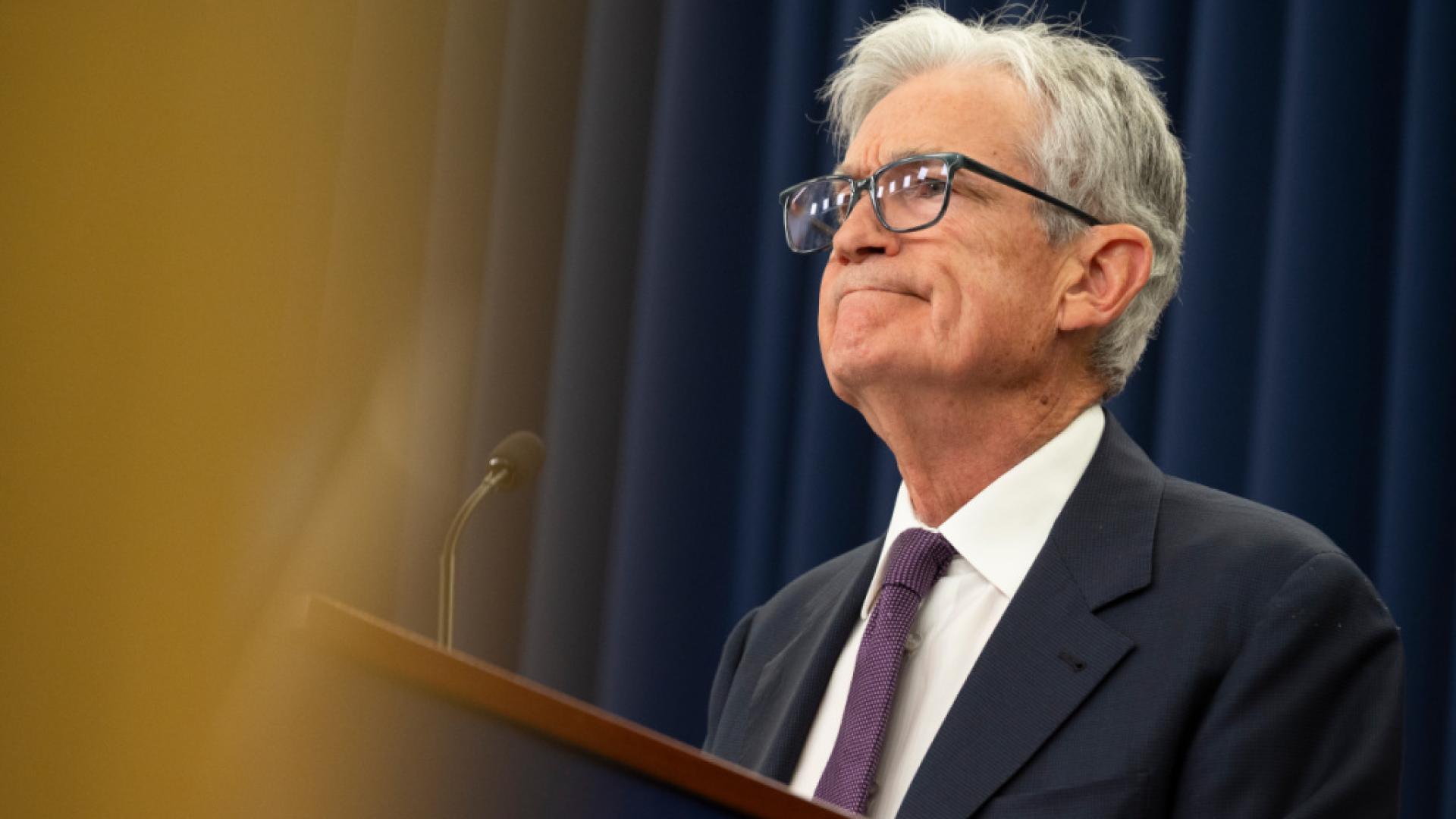
Federal Reserve Leadership Transition: Jerome Powell to Serve as Acting Chair Pending Kevin Warsh’s Swearing-In
The Federal Reserve has entered a critical period of leadership transition as the central bank navigates the gap between the conclusion of one era and the formal commencement of the next. Jerome Powell, whose second four-year term as Chair of the Federal Reserve Board concluded this past Friday, will continue to lead the institution in an acting capacity. This interim arrangement will remain in place until Kevin Warsh is officially sworn into office following his recent Senate confirmation.
The transition comes at a pivotal moment for global markets and U.S. Economic policy. While the confirmation of a successor provides a degree of certainty regarding the direction of the central bank, the brief period of interim governance underscores the procedural complexities inherent in high-level federal appointments. For investors and policymakers alike, the focus remains on whether this period of transition will maintain the continuity of monetary policy or signal a shift in the Fed’s approach to inflation and employment.
As the Federal Reserve prepares for this change in command, the primary objective for the institution is to ensure that the “dual mandate”—the statutory requirement to promote maximum employment and stable prices—remains uncompromised by the administrative handover. The acting chairmanship of Jerome Powell is intended to provide a stabilizing bridge, ensuring that the Federal Open Market Committee (FOMC) continues its scheduled operations without interruption.
The Mechanics of a Central Bank Succession
The transition from Jerome Powell to Kevin Warsh follows a structured, though often politically charged, legal process. According to recent developments, Mr. Warsh’s confirmation by the Senate occurred two days prior to the official end of Mr. Powell’s term. Despite this confirmation, a legal and administrative gap exists between the Senate’s vote and the formal swearing-in ceremony required for a new Chair to exercise full statutory authority.
During this interim window, the Federal Reserve relies on the continuity of its existing leadership structure. Under the Federal Reserve Act, the institution is designed to function seamlessly through such transitions. Jerome Powell’s role as acting Chair is not merely a placeholder. it is a vital function to maintain the authority of the Board of Governors and to provide a consistent voice to global markets during a period of high scrutiny.
The Senate confirmation process is a rigorous check on executive power, designed to ensure that the individual leading the world’s most influential central bank possesses the requisite expertise and independence. The speed and nature of Mr. Warsh’s confirmation suggest a move toward resolving the leadership question, yet the “acting” status of the current Chair highlights the importance of the final, formal oath of office in establishing the new administration’s mandate.
Timeline of the 2026 Leadership Transition
| Event | Date (Estimated/Verified) | Status |
|---|---|---|
| Senate Confirmation of Kevin Warsh | Wednesday, May 13, 2026 | Completed |
| End of Jerome Powell’s Second Term | Friday, May 15, 2026 | Completed |
| Interim/Acting Chair Period | Current | Ongoing |
| Swearing-in of Kevin Warsh | TBD | Pending |
Navigating Economic and Political Headwinds
The incoming Chair, Kevin Warsh, inherits a central bank operating within a complex and often volatile environment. The transition is not occurring in a vacuum; it is shaped by a landscape of shifting economic indicators and heightened political attention. The “mission” of the new leadership involves balancing the delicate requirements of monetary stability against a backdrop of significant domestic and international pressures.
One of the most significant challenges facing the incoming administration at the Fed is the maintenance of institutional independence. Historically, the Federal Reserve has operated with a degree of autonomy from the executive branch to ensure that monetary policy decisions are driven by economic data rather than political cycles. As the new leadership takes the helm, the ability to navigate relationship dynamics with the current administration will be a key metric for market participants.
the economic landscape remains characterized by several “herculean” tasks. These include managing the long-term effects of previous interest rate cycles, addressing potential shifts in the labor market, and ensuring that the central bank remains agile enough to respond to unforeseen global shocks. The transition period, while brief, serves as a litmus test for the institutional resilience of the Federal Reserve.
Market Implications: Stability vs. Uncertainty
For global financial markets, the primary concern during any leadership change at the Fed is the predictability of monetary policy. Markets generally price in the expectations of the FOMC, and any perceived deviation from a data-driven approach can lead to increased volatility in bond yields, equity markets, and the value of the U.S. Dollar.
The decision to have Jerome Powell remain as acting Chair is widely viewed by analysts as a move to mitigate “transition risk.” By retaining a known quantity in the leadership role, the Federal Reserve aims to signal to the markets that there will be no abrupt changes in policy stance during the handover. This continuity is essential for maintaining the trust of international investors who rely on the Fed’s guidance to manage risk and capital allocation.
However, uncertainty persists regarding the specific policy nuances that Kevin Warsh may introduce. While the core mandate remains the same, individual Chairs often bring distinct perspectives on the timing and magnitude of interest rate adjustments. Investors are closely watching for any signals from the acting Chair or the incoming leadership regarding the trajectory of inflation control and the potential for future rate pivots.
- Policy Continuity: The acting chairmanship aims to prevent sudden shifts in the FOMC’s decision-making framework.
- Market Volatility: Any ambiguity regarding the timing of the new Chair’s swearing-in could lead to temporary fluctuations in currency and bond markets.
- Institutional Credibility: The seamlessness of the transition is a key indicator of the Fed’s operational strength.
The Path Ahead for Kevin Warsh
As Kevin Warsh prepares to take the oath of office, his immediate focus will likely be on establishing his vision for the Federal Reserve. The transition from a long-serving Chair like Jerome Powell requires not only a technical mastery of monetary policy but also the ability to lead a massive, complex bureaucracy and manage the expectations of a diverse group of stakeholders, from Wall Street to Main Street.

The incoming Chair will face a series of critical decisions regarding the “neutral” interest rate and the management of the central bank’s balance sheet. These technical aspects of monetary policy are increasingly intertwined with broader economic trends, such as the digital transformation of finance and the evolving nature of global supply chains. The ability to integrate these complexities into a coherent policy framework will define the success of his tenure.
the success of the Warsh administration will be measured by its ability to achieve the Fed’s dual mandate while preserving the institution’s reputation for independence and expertise. The eyes of the global economic community are fixed on Washington, waiting to see how the next chapter of central banking will unfold.
Frequently Asked Questions
Why is Jerome Powell still in charge if his term ended?
Because of the procedural gap between a Senate confirmation and the formal swearing-in ceremony of a successor, the Federal Reserve utilizes an acting Chair to ensure continuous legal authority and operational stability.
What is the “dual mandate” of the Federal Reserve?
The dual mandate is the legal requirement for the Fed to pursue two primary economic goals: maximum employment and stable prices (low and predictable inflation).
How does a change in Fed leadership affect my investments?
Leadership changes can influence market sentiment. While the Fed’s institutional processes provide stability, a new Chair may bring different perspectives on interest rates, which can impact bond prices, stock valuations, and the strength of the dollar.
When will Kevin Warsh officially begin his term?
The official start date depends on the timing of his formal swearing-in ceremony, which follows the Senate confirmation process.
The next major checkpoint in this transition will be the formal swearing-in of Kevin Warsh, which will officially conclude the interim period. We will continue to monitor official filings and Federal Reserve communications for updates on the transition timeline.
Stay informed on the latest developments in global finance. Share this article with your network and leave your thoughts in the comments below: How do you expect the leadership transition to impact market stability?