In a landmark development for voting rights litigation in the United States, a three-judge federal panel has issued a ruling to block a congressional redistricting map in Alabama, citing significant concerns regarding the representation of Black voters. The legal challenge, which centered on whether the state’s proposed legislative districts violated the Voting Rights Act, has drawn national attention as a critical test for electoral fairness in the American South. As the News Editor here at World Today Journal, I have followed this case closely, as it touches upon the fundamental mechanisms of democratic participation and the ongoing struggle to balance political geography with constitutional protections.
The court’s decision, handed down in a case formally known as Allen v. Milligan, ultimately reached the Supreme Court of the United States, which affirmed the lower court’s finding that the state’s 2021 redistricting plan likely violated Section 2 of the Voting Rights Act. The high court’s decision in June 2023 mandated that Alabama create a new map that includes an additional majority-Black district or something quite close to it, acknowledging that the previous iteration failed to provide Black voters with an equal opportunity to elect candidates of their choice. You can review the official details of the Supreme Court’s mandate through the official Supreme Court opinion document.
Understanding the Legal Foundation: The Voting Rights Act
At the heart of this controversy is Section 2 of the Voting Rights Act of 1965, a landmark piece of federal legislation designed to prohibit voting practices or procedures that discriminate on the basis of race, color, or membership in a language minority group. In the context of Alabama’s redistricting, the core legal question was whether the state’s map—which concentrated a large portion of the Black population into a single district while spreading others across multiple districts—effectively diluted their voting power. This practice, often referred to as “cracking” or “packing,” has long been a subject of intense scrutiny in American constitutional law.
The three-judge panel, which included two judges appointed by Republican presidents and one by a Democratic president, initially found that Alabama’s 2021 map was likely unlawful. The judges argued that the state had failed to draw a second majority-Black district despite the demographic reality that Black residents make up approximately 27% of the state’s voting-age population. The court’s order required the state legislature to submit a new map that complied with the federal requirements for equitable representation. Detailed information regarding the historical context of these proceedings can be found through the U.S. Department of Justice Civil Rights Division.
The Impact on Alabama’s Political Landscape
The implications of this ruling extend far beyond the borders of Alabama, setting a precedent for how redistricting challenges are handled nationwide. For years, the state of Alabama has maintained a congressional delegation that has been predominantly Republican, despite a significant and politically active minority population. By forcing the creation of a new district that better reflects the state’s demographic diversity, the court has effectively shifted the potential for electoral competition in the state.
Following the Supreme Court’s affirmation of the lower court’s ruling, the Alabama legislature was tasked with drafting a remedial map. This process was marked by intense debate within the state house, as lawmakers grappled with the court’s strict requirements. The resulting map, which was eventually approved by the court, led to the creation of a new district that significantly increased the voting power of Black residents in the state’s Black Belt region. According to official data from the Alabama Secretary of State’s office, these adjustments have fundamentally altered the electoral map for the state’s congressional elections.
What Happens Next: Monitoring Future Elections
As we look toward the next election cycles, the impact of these changes will be closely watched by political analysts and civil rights advocates alike. The court’s intervention has ensured that the electoral process in Alabama remains subject to the protections of federal law, preventing the dilution of minority voting power that had previously been a point of contention. This case serves as a reminder that the judicial system remains a primary venue for resolving disputes over the fairness and transparency of the democratic process.
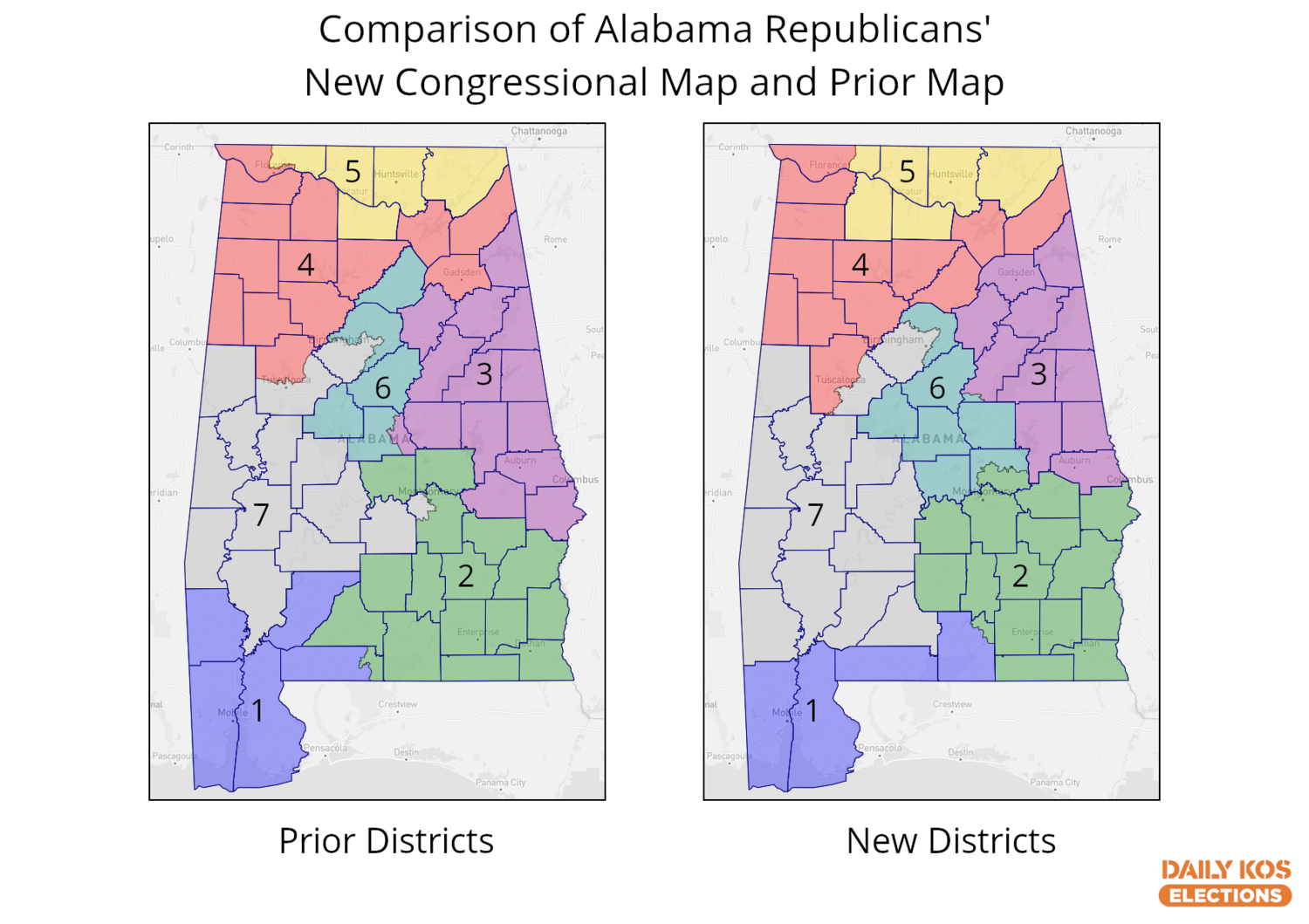
For readers interested in following future developments, the next major checkpoint involves the ongoing oversight of election administration by the federal courts to ensure compliance with the remedial map. Official filings and updates regarding the enforcement of this court order are maintained by the United States District Court for the Northern District of Alabama, which oversaw the initial litigation. As these processes unfold, we will continue to provide updates here at World Today Journal. We invite our readers to share their thoughts and engage in the conversation below regarding the role of the judiciary in protecting voting rights.
Keep reading