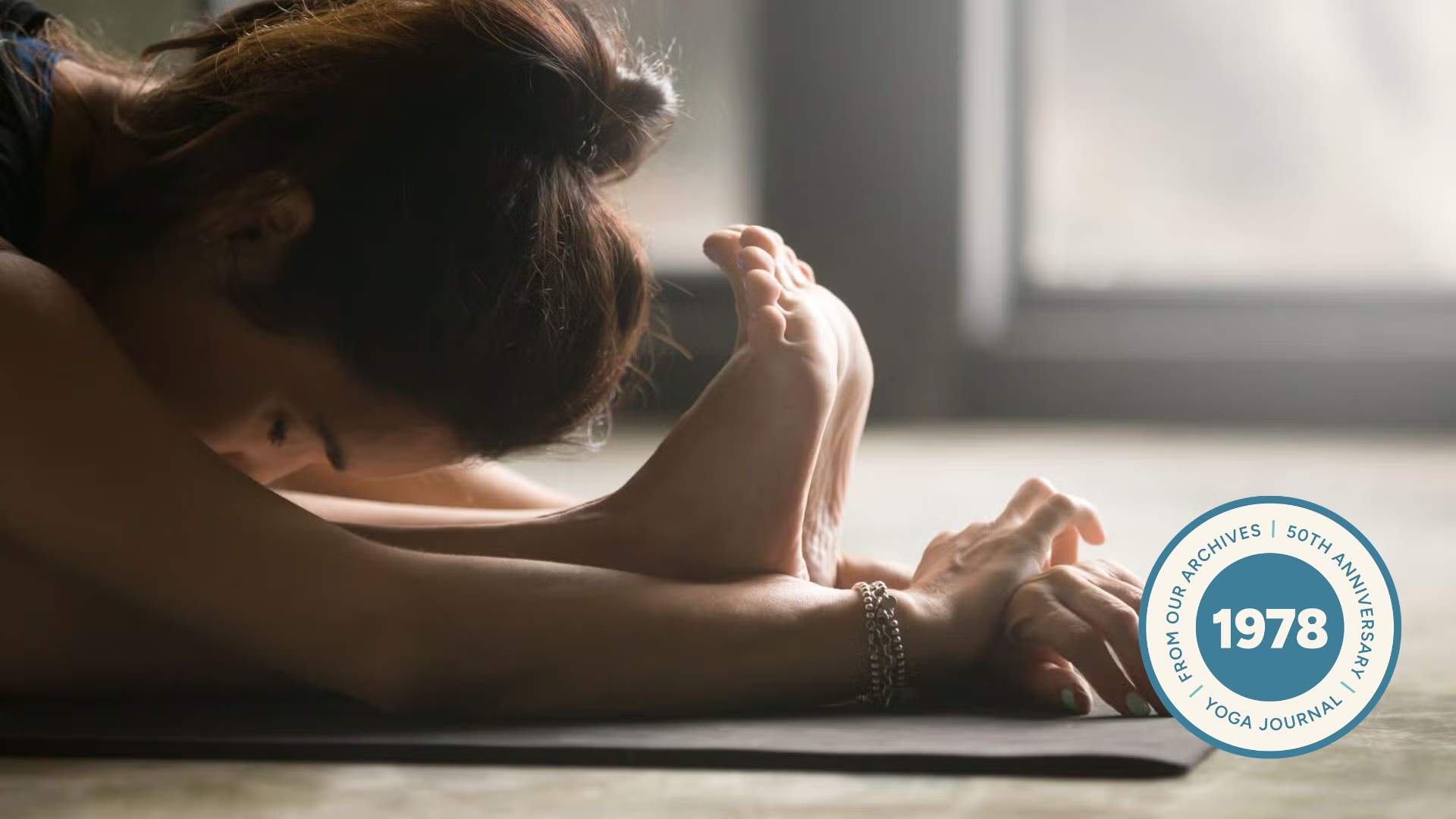
Sunday night dread, often described as the “Sunday Scaries,” is a common psychological phenomenon characterized by a sense of anticipatory anxiety about the coming work week. For many, this restlessness manifests as physical tension, making it difficult to transition into a restful sleep state. While clinical interventions for chronic insomnia are managed by medical professionals, simple, low-impact physical movements—such as those performed in bed—can serve as a practical tool for autonomic nervous system regulation. By focusing on gentle elongation and rhythmic breathing, individuals can signal to the body that it is time to shift from a sympathetic “fight-or-flight” state to a parasympathetic “rest-and-digest” state.
As a physician, I frequently see patients who struggle to wind down after the weekend. Integrating a brief, gentle stretch into your nightly routine is not a cure for clinical sleep disorders, but it is a low-barrier strategy to manage the physiological markers of stress. The goal is not to perform an intense workout, but to gently release the muscular tension that often accumulates in the shoulders, neck, and hips after a weekend of activity or sedentary relaxation.
The Physiology of Bedtime Stretching
The transition to sleep requires the body to lower its core temperature and decrease heart rate. When we experience anxiety, the muscles often remain engaged or “braced,” which can disrupt the onset of sleep. According to the National Sleep Foundation, establishing a consistent wind-down routine is critical for signaling to the brain that the day has concluded. Incorporating static stretching—holding a position for 30 to 60 seconds without bouncing—can help reduce this muscular bracing.
One accessible movement is a gentle, supported Child’s Pose variation. While traditionally practiced on a yoga mat, a modified version can be performed by kneeling on a soft mattress and reaching the arms forward, allowing the forehead to rest on the bed. This position encourages deep, diaphragmatic breathing. The National Center for Complementary and Integrative Health notes that mind-body practices like yoga can help individuals manage stress and improve overall well-being, provided they are performed safely and within one’s physical limits.
Managing Sunday Night Anxiety
The feeling of dread on Sunday evenings is often linked to the transition between leisure time and professional responsibilities. For those who find this cycle disruptive, it is important to distinguish between situational stress and clinical anxiety. If your sleep disruption persists for three or more nights a week for three months or longer, the Mayo Clinic advises consulting a healthcare provider to rule out chronic insomnia or other underlying health conditions.
To maximize the efficacy of your evening routine, consider the following evidence-based habits:
- Consistency: Maintain a regular wake-up time, even on weekends, to stabilize your circadian rhythm.
- Environment: Keep the bedroom cool, dark, and quiet to facilitate melatonin production.
- Digital Boundaries: The Centers for Disease Control and Prevention suggests avoiding screens for at least an hour before bed, as blue light exposure can interfere with the body’s natural sleep-wake cycle.
Integrating Movement into Your Routine
When practicing stretches in bed, listen to your body. If you feel pain or sharp discomfort, stop immediately. The intent is to facilitate relaxation, not to push your range of motion to the point of strain. Focus on the sensation of your breath moving into your back and ribcage. If your mind begins to race with thoughts of the upcoming week, acknowledge the thought and gently return your focus to the rhythm of your inhalation and exhalation.
For those interested in further resources on sleep hygiene, the Sleep Foundation provides comprehensive, peer-reviewed guidance on managing sleep environment and habits. Remember that health is a cumulative practice; a single night of stretching may provide immediate relief, but the benefits are most pronounced when these habits are integrated into a sustainable lifestyle.
The next official update from the National Sleep Foundation regarding their periodic reviews of sleep hygiene guidelines is expected later this year. We encourage readers to share their own experiences with bedtime relaxation techniques in the comments section below.
Worth a look