
In the high-stakes world of automotive engineering, few transitions are as scrutinized as the move toward electrification. Ferrari, a brand synonymous with the visceral roar of internal combustion engines, has officially entered the battery-electric vehicle (BEV) arena. The introduction of the Ferrari Luce marks a pivotal, and perhaps polarizing, chapter for the Maranello-based manufacturer. As the company navigates this shift, the automotive community finds itself divided over whether the brand’s first fully electric model can truly capture the “Ferrari soul” while embracing a silent, high-performance future.
For decades, Ferrari has defined the peak of Italian luxury sports car manufacturing. According to the company’s official corporate disclosures, Ferrari S.p.A. Remains a powerhouse in the sector, having shipped 13,752 units in 2024 and reporting a net income of €1.526 billion for that same period. The transition to electric platforms is not merely a technical pivot but a strategic evolution overseen by key leadership, including Executive Chairman John Elkann and CEO Benedetto Vigna. As reported in their latest financial filings, the company continues to maintain its prestige status while balancing the demands of global environmental regulations and shifting consumer expectations.
Engineering Performance in the Electric Era
The Ferrari Luce is designed to bridge the gap between traditional performance and modern electric propulsion. While the automotive industry often grapples with the weight and power delivery of batteries, Ferrari’s approach appears to focus on integrating advanced aerodynamics with high-output electric motors. The reported output of 1,050HP places the Luce in direct competition with the most elite hypercars on the market, signaling that Ferrari intends to compete at the absolute top of the electric performance hierarchy.
However, the shift away from the iconic V8 and V12 engines that have powered the brand since its inception in 1947 remains a point of contention among enthusiasts. The challenge for Ferrari, as it looks toward its future roadmap, is to maintain the driving dynamics that have made it a global icon. The company’s historical reliance on engineering excellence—from its founding by Enzo Ferrari in 1939 to its current status as a public entity traded on the NYSE and BIT under the ticker “RACE”—suggests that the technical development of the Luce has been subject to the same rigorous standards applied to its internal combustion counterparts.
Design and the Evolution of Identity
Aesthetics have always been central to the Ferrari brand, and the Luce is no exception. Its futuristic styling represents a departure from the classic lines of the 296 GTB or the SF90, favoring a design language that prioritizes aerodynamic efficiency alongside a bold, modern visual identity. For a brand that has meticulously curated its image over 86 years, introducing a design that challenges traditional aesthetics is a calculated risk. Critics and fans alike are currently weighing in on whether the Luce’s silhouette honors the Ferrari heritage or if it signals a move toward a more homogenized, tech-forward design aesthetic.
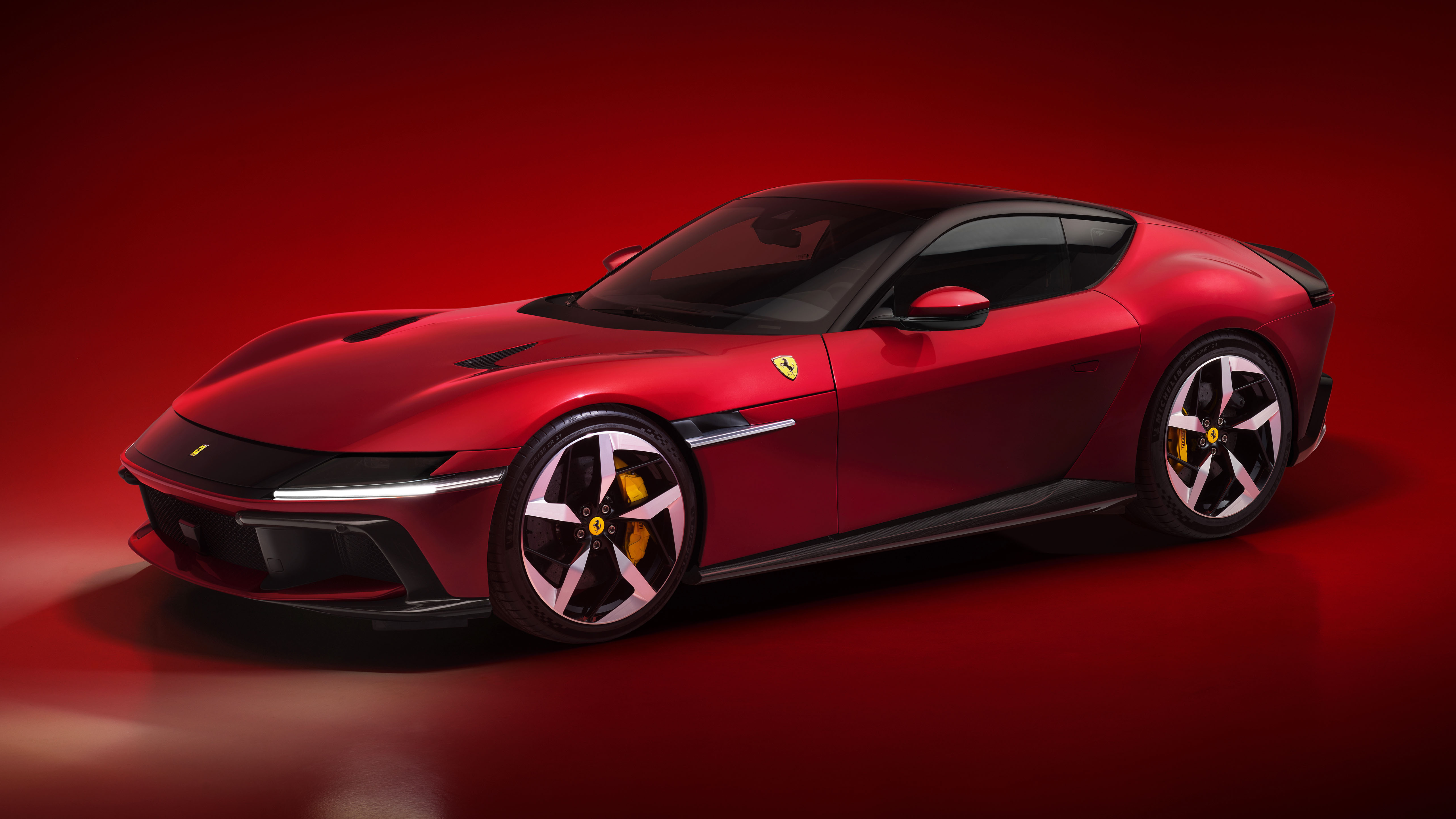
This debate is not entirely new for the brand. Throughout its history, Ferrari has navigated the tension between maintaining its identity and innovating for the future. As the company continues to serve a global market, the reception of the Luce will likely serve as a barometer for how traditional luxury buyers perceive the transition to electrification. With headquarters still firmly rooted in Maranello, Italy, the brand remains committed to its Italian heritage, even as it adopts the global technology standards required for modern electric vehicles.
The Road Ahead for Ferrari
As the automotive world watches the rollout of the Luce, the primary question remains: how will this vehicle impact the broader market? Ferrari has not yet announced specific production volumes or pricing for the retail market, but the company’s history of limited-run, high-demand vehicles suggests that the Luce will be an exclusive addition to their lineup. Interested buyers and enthusiasts are encouraged to follow official channels, including the official Ferrari website, for confirmed specifications and delivery timelines as they become available.

The company’s ability to successfully integrate electric technology while retaining its status as a premier luxury manufacturer will be the defining story of the next few years. For now, the Luce stands as a statement of intent. It is a car that acknowledges the inevitability of change while attempting to define what that change looks like on Italian terms. As we await further official updates from the company regarding their electrification strategy and the next phase of the Luce’s production, the conversation remains open. What are your thoughts on Ferrari’s leap into the electric future? Join the discussion in the comments below and share this article to keep the conversation going.
Related reading