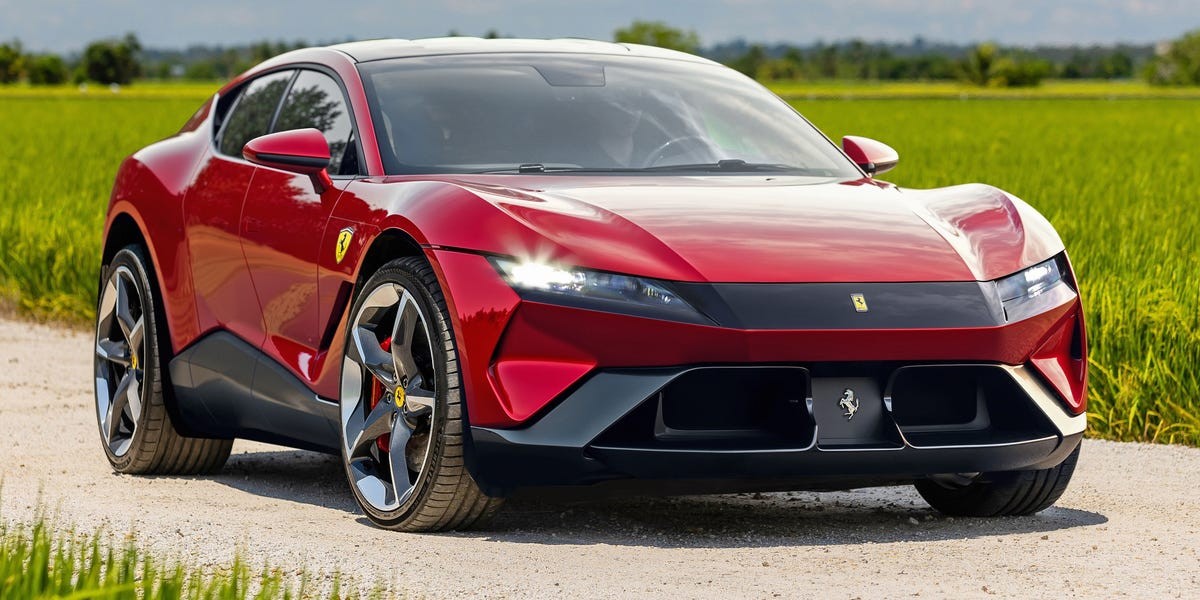
In a move that marks a definitive turning point for the storied Italian automaker, Ferrari has officially unveiled the Luce, its first fully electric vehicle. The announcement, which occurred this week, represents a significant strategic pivot for a brand synonymous with high-performance internal combustion engines and the roar of V12 powerplants. As Maranello enters the era of battery-electric vehicles (BEVs), the industry and automotive enthusiasts alike are closely watching how the manufacturer balances its heritage of prestige with the technological demands of a decarbonizing global market.
The introduction of the Ferrari Luce has triggered a polarized response within the automotive community. While the company positions the model as the natural evolution of its engineering prowess, critics and purists have voiced concerns regarding the shift away from traditional mechanical signatures. This tension between innovation and brand identity is a common challenge for legacy luxury manufacturers as they navigate the transition toward sustainable mobility solutions.
Engineering the Future: The Ferrari Luce
The Ferrari Luce is designed to serve as a flagship for the company’s electrification strategy. By integrating advanced electric powertrains, the vehicle aims to maintain the performance benchmarks that have long defined the Ferrari driving experience. The company’s focus remains on power density, thermal management, and the unique driving dynamics that differentiate its cars in the high-end luxury segment. As noted in official corporate disclosures, the transition to electrification is a central pillar of the firm’s long-term business plan, intended to align the brand with international environmental regulations and changing consumer preferences.

The technical specifications of the Luce, including its battery chemistry and expected output, are part of a broader R&D investment aimed at ensuring that the brand’s performance pedigree is not diluted by the change in motive power. For investors, the success of this launch is critical, as the company seeks to demonstrate that its transition to electric power can be as profitable as its historical focus on high-margin combustion engines.
Market Dynamics and Investor Sentiment
The unveiling of the Luce has coincided with notable volatility in the company’s market performance. Financial analysts are closely monitoring how the market prices in the risks associated with this fundamental shift in product architecture. As reported by major market news outlets, the automotive sector is facing increased pressure to demonstrate credible paths toward electrification, a shift that carries both significant capital expenditure requirements and potential changes to long-term valuation models.

For shareholders, the primary concern remains the maintenance of the brand’s exclusivity and the ability to command premium pricing in a market that is becoming increasingly crowded with electric alternatives. The company has emphasized that it will continue to prioritize limited production runs and high customization, strategies that have historically insulated the brand from broader automotive market fluctuations.
The Evolution of a Legacy Brand
The transition to the Luce is not merely a change in powertrain; it is a cultural evolution for a company that has long been defined by the mechanical complexity of its engines. The challenge for the leadership in Maranello is to preserve the “emotional” component of the driving experience—the sound, the responsiveness, and the visceral feel—while adopting the silent, high-torque nature of electric propulsion.
Industry observers have noted that this is a pivotal moment for the luxury automotive industry. The success of the Luce will likely serve as a case study for other high-performance manufacturers currently grappling with similar dilemmas. Whether the brand can successfully bridge the gap between its storied past and a carbon-neutral future remains the central question facing the executive team and the company’s engineers.
Looking Ahead
As the company moves forward with the production rollout of the Luce, attention will shift toward official driving reviews and performance data released by independent testing entities. Investors and enthusiasts can expect further updates regarding production timelines and regional availability through the official Ferrari corporate portal in the coming months. The company has not yet provided a definitive date for the first customer deliveries, but stakeholders are awaiting further guidance in the next quarterly earnings briefing.

We invite our readers to share their thoughts on this historic shift. Does the move toward electric propulsion enhance the allure of the brand, or does it risk alienating its core base of collectors? Join the conversation in the comments section below.
Related reading